
Opening comparison — what I watch for
I’ve stood in labs where the hum of a chamber sounds like rain, and I compare the quiet facts: price tags, delivery clocks, and the way a unit keeps a sample honest. When you pick a weathering chamber you’re balancing three blunt truths; cost, lead time and test fidelity. I’ve seen these machines earn their keep at sites such as the National Renewable Energy Laboratory in Golden, Colorado, and those field lessons stay with you. A sensible start is to read the specs on a weathering chamber and ask which trade-offs you can live with.
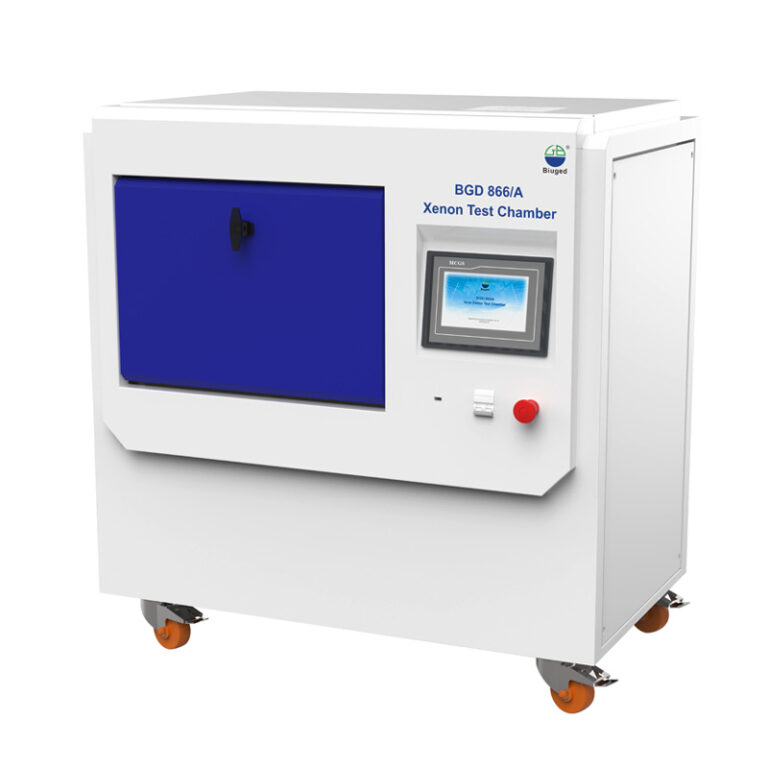
Cost — beyond the sticker price
Cheap units save capital but often pass costs to you later. Look at total cost: initial purchase, calibration, consumables (lamps, filters), spare parts and the technician hours you’ll pay for service. Xenon-arc lamps cost more than fluorescent UV but reproduce full-spectrum sunlight far better; that matters when you need correlation to outdoor data. Budget a realistic annual maintenance line: 8–15% of the purchase price for reliable uptime. That’s not a guess; I’ve tracked invoices across small test labs and larger programmes and the pattern repeats.
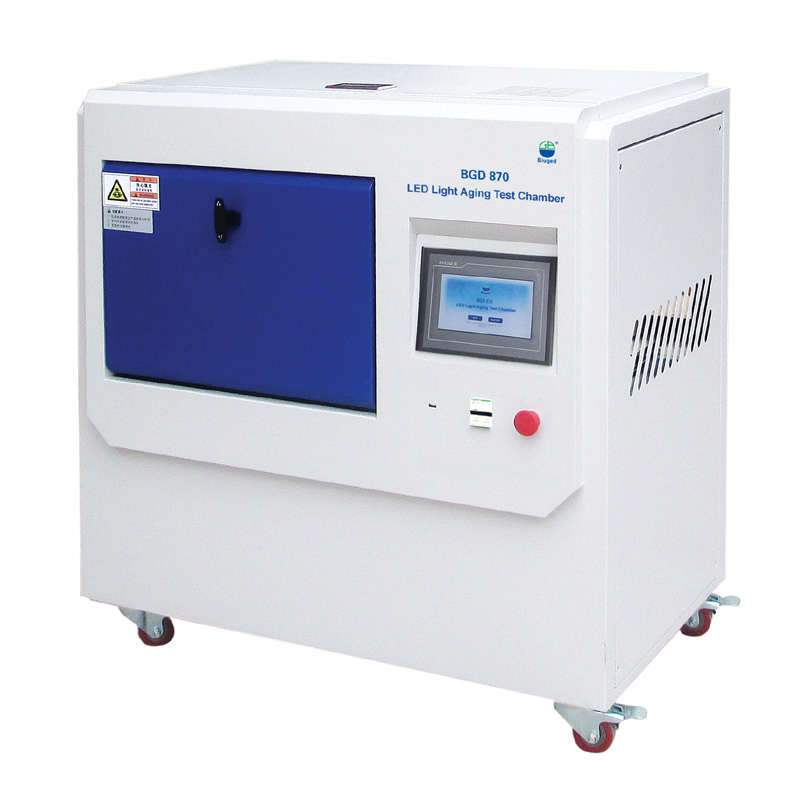
Lead time — where delays hide
Lead time splits into manufacturing, customization and logistics. Off-the-shelf cabinets can ship within weeks; bespoke systems take months. Overseas builds often mean longer lead times and customs risk. If you need accelerated schedules, insist on committed build milestones and a parts list up front. Factor in calibration and commissioning on-site — a unit that arrives quickly but sits idle for acceptance testing costs more than one that took longer but arrived ready to run.
Quality & performance — measures that matter
Ask for measurable proof: spectral match reports, irradiance uniformity maps, humidity and temperature stability logs. Standards and repeatability matter more than glossy brochures. Compare light sources (xenon vs UV fluorescent), chamber size versus sample throughput, and control software granularity. A well-documented drift curve and traceable calibration certificates beat marketing claims. If a supplier can’t show repeatable test data, walk away.
Comparative trade-offs — local dealer, OEM, or used?
Local dealers give faster service and often understanding of regional test expectations. OEMs typically offer the deepest integration and longer warranties, but higher lead times. Used units save upfront cash but demand a thorough technical audit: lamp hours, heater cycles, corrosion and controller health. Choose used only if you budget for an immediate refurbishment and replacement parts. For many buyers a mid-tier new unit, well-specified and supported locally, hits the best balance between cost, delivery and quality.
Common pitfalls and how to avoid them
Don’t skip acceptance criteria. Vague delivery terms invite argument. Don’t assume identical specs equal identical performance; manufacturers tune systems differently. Avoid buying on price alone; verify spare-part availability and planned obsolescence of control electronics. Plan for calibration intervals and ask about field service response times. These are small checks that prevent long, costly headaches.
Closing synthesis — a practical path forward
You’ll decide by weighing immediate cash against long-term certainty, and by testing claims against measurable data. Match your choice to the tests that define your product’s life, then pick the supplier who documents performance and stands by the machine. For many labs and R&D teams that balance points toward a trusted maker who offers transparent specs, clear service terms and proven field references—qualities I’ve seen consistently with BIUGED.