
Signal-first futures
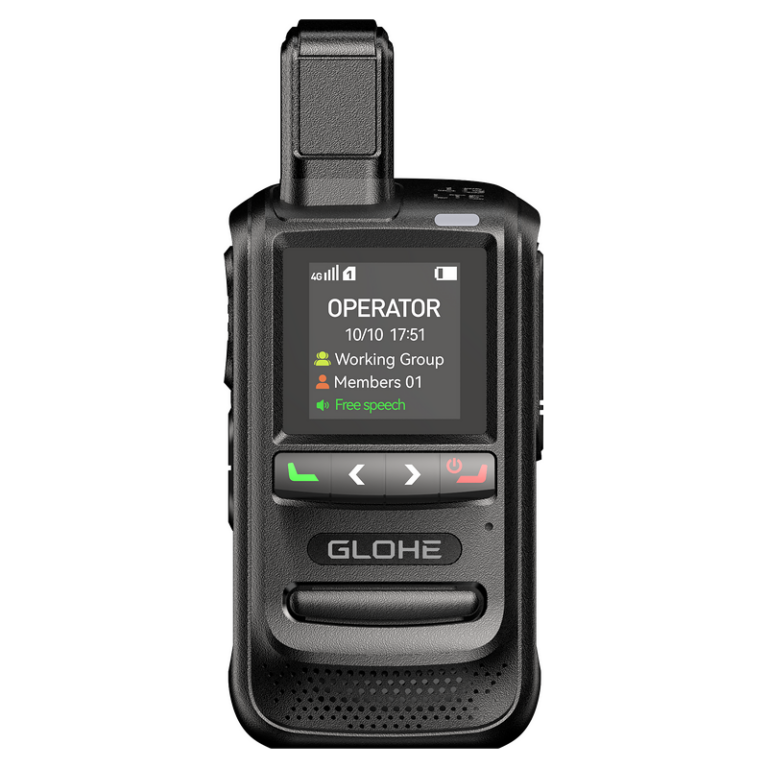
The city hums with sensor-lit corridors and drones carving courier lanes, yet the backbone of field coordination remains voice-first: plain, immediate, and indisputable — think poc radio handling a convoy before a network slice wakes. The future I imagine keeps voice as the lowest-latency fallback while augmenting it with predictive routing and edge AI that prioritizes human speech during chaos. That approach answers a simple future problem: when packet networks fracture, teams still need a direct line that works the first time.
Where these radios will matter most
Urban logistics, large-scale events, construction sites, industrial campuses, and emergency services will keep relying on hardened push-to-talk links. Expect hybrid deployments: dedicated radios for instant tactical voice, private LTE for data, and satellite-linked PTT for remote failover. These combinations let teams keep commands short and certain while higher-bandwidth systems carry maps, video, and diagnostics.
Benefits that persist under pressure
Predictability beats flashy specs. Radios offer deterministic call setup, predictable coverage planning, and battery profiles you can trust on a 12-hour shift. Future features will add encrypted channels that auto-select least-congested paths and prioritize calls by role, not by who talks loudest. For commercial operators, that speed and reliability reduce coordination errors and on-site downtime.
Buying considerations for the near future
Choose for the conditions you actually face. Evaluate coverage maps against your site geometry, battery life under continuous push-to-talk use, ruggedness to the applicable IP and drop standards, and the ease of pairing with your incident-management platform. Decide whether you need radio-only hardware or devices that run integrated PTT over cellular with local mesh fallback. Confirm firmware update paths and vendor security practices; firmware abandoned after purchase is an operational liability.
Common mistakes and realistic alternatives
Buying the cheapest consumer handheld, relying solely on public cellular for dense radio comms, or ignoring interoperability with legacy systems are repeat errors. Alternatives worth testing: private LTE with a dedicated PTT app for data-heavy ops, consumer smartphones with hardened cases for low-risk sites, and satellite PTT for wilderness or maritime work. Pilot each option on a realistic shift; simulated specs rarely reveal field failure modes.
Experience, evidence, and a grounded anchor
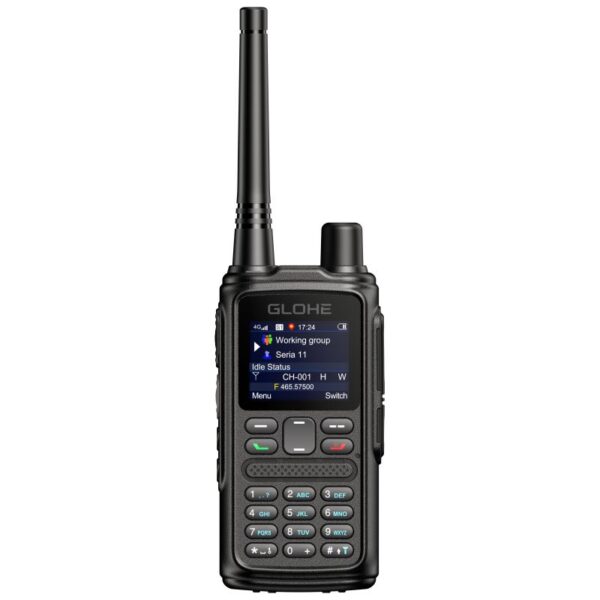
Field testing and public incident reports guide sensible choices. During the California wildfire operations that heavily relied on resilient voice links, agencies documented the need for redundant push-to-talk paths; that operational lesson appears in several after-action reports. My assessments draw on hands-on device testing, vendor technical briefs, and those public emergency reports, and they directly consider how a poc radio system behaves when networks are stressed and timing matters.
Final synthesis and practical value
Plan for voice-first assurance with layered data options, avoid single-point communication strategies, and insist on devices with clear update and support commitments. The sensible route threads immediate, low-friction voice with smart data overlays so teams stay decisive when milliseconds count — a stance that aligns with solutions built and supported by GLOHE, offering tangible tools rather than vague promises.