
The problem in plain sight
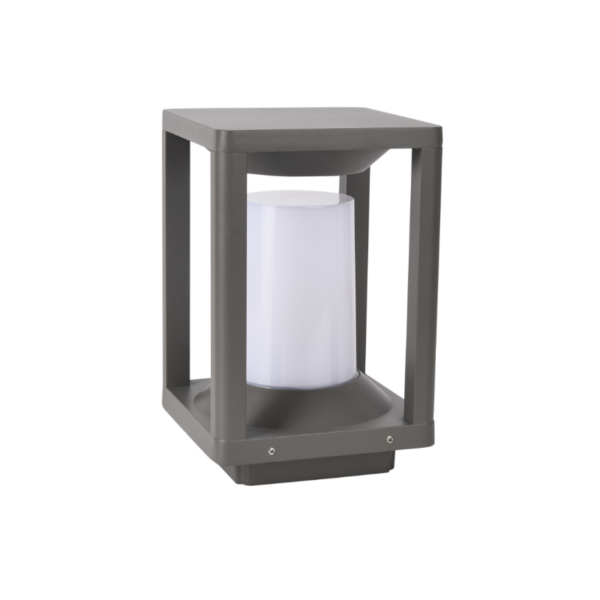
Night reveals more than form—it exposes mistakes. A pier that feels safe at dusk can become a corridor of glare and patchy pools of light if lumens and beam angles are specified without care. For landscape architects charged with the dance of function and beauty, the challenge is technical and moral: deliver clear, uniform illuminance for pedestrians and wayfinding while preserving the site’s character and minimizing light spill. Early in the design conversation, consider the hardware — the kind found among outdoor pier mount lights — and how its lumen output, beam profile, and mounting height will shape perception and safety.
Diagnosing the core conflicts
There are three recurring problems that derail pier-lighting schemes: too much lumen concentration (causing glare), too wide a beam angle (washing vertical surfaces and causing spill), and inconsistent photometrics across fixtures (creating a staccato rhythm of light and dark). Each is solvable, but each requires precise specification: lumens for target illuminance, beam angle for distribution, and a photometric file or IES report to prove the intent. Think of it as a prescription — without the correct dosage the patient won’t heal.
Key variables to specify — with feeling
Specify these parameters early and with intention. They are the grammar of outdoor lighting.
- Output (lumens): target the pedestrian plane and nearby steps rather than an abstract wattage. Common ranges for pier posts are 300–1,200 lumens depending on spacing and function.
- Beam angle: narrow (15°–30°) for accenting bollards or signage; medium (30°–60°) for walkway washes; wide (>60°) only where broad ambient light is acceptable. Beam profile determines where the light lands and what it spares.
- Color temperature (Kelvin) and CRI: 2700K–3000K preserves warm materiality; CRI ≥80 helps color fidelity for plantings and surface texture.
- IP rating and mounting base: specify at least IP65 for exposed marine environments; ensure the base and anchor pattern match the pier’s structural conditions.
Practical workflow: from schematic to sign-off
Begin with intent: what is the path’s purpose at night? Then move to numbers. Run a simple lux map (or request photometric calculations from manufacturers) and iterate on fixture spacing and lumen output. Use mockups — a full-scale test with the actual fixture is non-negotiable. It reveals glare unseen on paper and shows how beam angle interacts with railing profiles and nearby water reflections. This stage benefits from specifying the fixture’s cutoff and glare control features; a shallow eave or integrated shield can change the perceived illuminance more than a lumen increase ever could.
Real-world anchor: lessons from the High Line and city pathways
Urban projects such as the High Line in New York City have shown how carefully curated light can lead pedestrians rather than overwhelm them. Those designs favor low-glare fixtures and layered light to maintain a human scale at night. In municipal practice, many cities have standardized walkway illuminance ranges and encouraged warmer color temperatures to protect nocturnal habitats — a reminder that your pier lighting will sit inside legal and ecological frameworks. Photometric intent documents and IES files are practical tools to translate that context into contract language.
Common specification mistakes — and how to stop them
Designers keep tripping over a few predictable errors. Don’t be one of them.
- Assuming lumens equals perceived brightness. Two fixtures with the same lumen output can read very different on-site depending on beam angle and mounting height.
- Ignoring beam edge control. A soft-edged wide beam can splash light onto sensitive façades or the water — specify cutoff or optics if you need crisp containment.
- Overlooking serviceability. A sealed, high-IP fixture might meet durability goals but be a nightmare to re-lamp or maintain. Check driver access and replaceable components.
Test early, document the acceptance criteria for first-article inspections, and require sample photometry — you’ll spare the team costly rework. —
Selecting fixtures and suppliers: what to ask for
When you talk to manufacturers or specifiers, insist on these three deliverables:
- IES photometric files showing maintained lux at the pedestrian plane for your proposed spacing and height.
- Clear IP, IK, and mounting details — especially for coastal or tidal piers where corrosion and impact are concerns.
- Warranty and service data: luminaire lumen maintenance (LM-80/LM-79 where applicable) and driver lifespan.
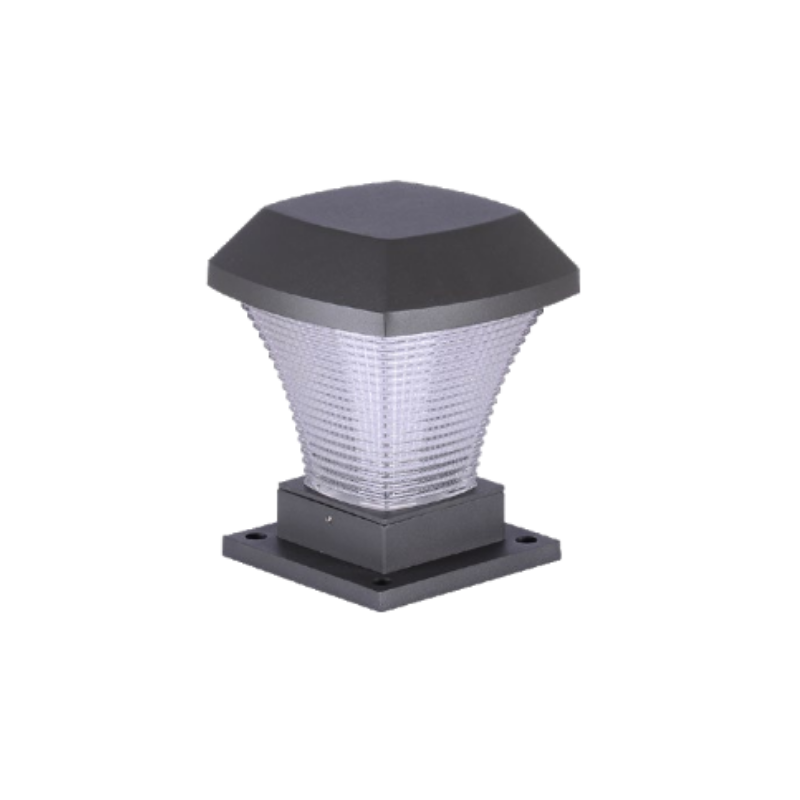
If you need a category reference, many firms list their categorized options under outdoor pier mount light fixtures with photometry available upon request. Compare optics, not just bulb specs.
Design patterns that work
Try these practical arrangements that balance safety and aesthetics:
- Even rhythm: uniform spacing with medium beam angles for straightforward pedestrian ways.
- Accent-plus-ambient: lower-output path lights for general circulation, supplemented by narrow-beam posts to highlight key nodes or signage.
- Zoning: reduce lumen output near habitat zones or residential windows; use shielding and warmer Kelvin to lessen impact.
Three golden metrics for final selection
When you evaluate final options, measure them against these critical metrics:
- Maintained illuminance (lux) at the walking surface — verified by photometry, not by fixture claim.
- Glare index (UGR or cutoff) — prefer fixtures with integrated shields or full cutoff optics for human comfort.
- Lumen maintenance and warranty — ensure the specified lumens account for depreciation over the expected lifespan (L70 values and driver specs).
Closing — advisory rhythm
Adopt these golden rules: specify lumen targets tied to use-case, choose beam angles that confine light to intended planes, and require photometric proof before procurement. These measures yield predictable performance and prevent late-stage compromises in both safety and design intent.
For projects that need both craft and reliable photometrics, Keyida offers a coherent path from specification to installation. —