
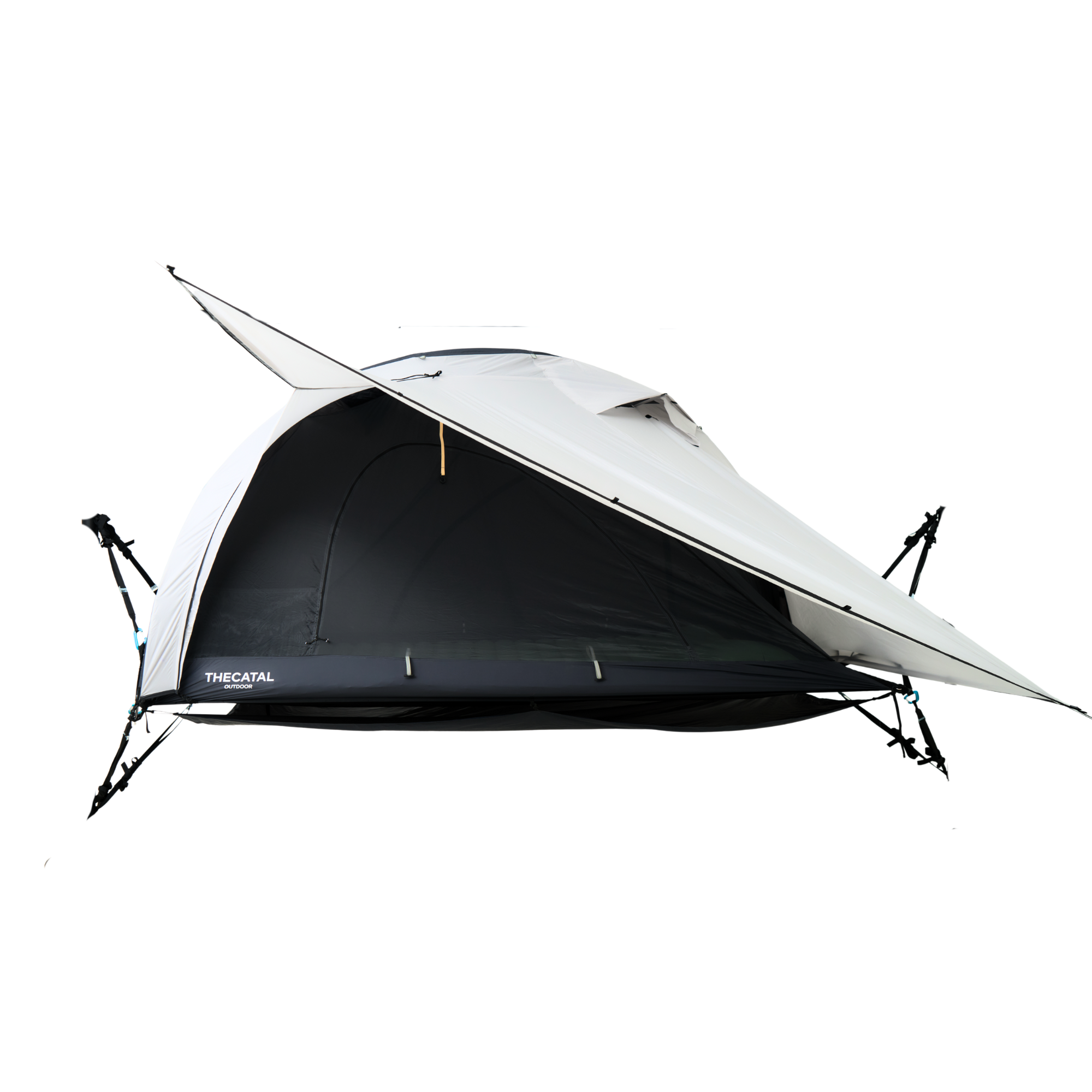
Problem: Why a porch changes simple camping into a set of design questions
Campers often think a front porch is an ornament; the real problem is utility—how to arrange life inside a small shelter so wet boots, cooking smells, and late-night comings-and-goings don’t disturb sleep. This problem-driven piece begins with that friction, and it leans on practical sources like field notes and curated suppliers; see a compact origin story at thecatal outdoor to sense how product choices meet habit. The aim: isolate the decisions that actually matter when a porch is part of your tent and propose straightforward fixes.

Layout: Make the porch serve clear tasks
The central layout mistake is vagueness. Decide use first: gear bay, cooking alcove, or sheltered seating. Measure the porch depth—40–60 cm is a mud-shedding vestibule; 90–120 cm becomes a true porch for boots and a chair. Place sleeping zones away from the porch entry to reduce light and draft intrusion. Use modular packing: keep a small gear bin near the door, a dry bag under the vestibule bench, and hang a mesh organizer from pole intersections to keep clutter off the floor. These are simple spatial rules that reduce nightly friction.
Access: Door position, zippers, and movement patterns
Access problems create noise and wear. Choose tents with dual doors when you expect late arrivals or multiple occupants; a single front door concentrates traffic and mud. Prefer zippers with reinforcement at stress points and a short external storm flap to protect the zipper. Design entry flow: step onto porch, remove footwear, then enter inner living space. Teach this ritual to everyone; a repeated small habit cuts cold, waking, and dirt transfer. If night egress is common, add a low-light LED near the porch that doesn’t flood the interior.
Weather: Shielding, ventilation, and condensation control
Porches confront weather first. The roof pitch above the porch must shed runoff away from the inner door; if water funnels toward the entrance, install a short ridge or a small guyline to redirect flow. Wind loads concentrate on the porch face—add at least one extra guyline point for storms. Ventilation is nonnegotiable: vents near the porch and opposite low vents reduce condensation without opening the door. In heavy rain, use the porch as a staging zone for quick transfers, not for cooking with a flame—carbon monoxide and sparks are real hazards.
Experience and authority: field lessons and supplier perspective
From seasons supplying outfitters around Rocky Mountain National Park, camping gear suppliers report the same recurring issues: poorly drained porches, inadequate guy points, and unplanned storage that blocks exits. My notes come from multi-season testing, pattern checks on prototypes, and technician reports: small additions—an extra stake, a reinforced seam, a low-profile awning—often fix the major complaints. That blend of bench testing and feedback from professional outfitters builds reliable recommendations.

Common pitfalls and quick fixes
Pitfall: treating the porch as a second living room. Fix: designate one task per visit—dry gear here, sit briefly, or store boots; rotate tasks by weather. Pitfall: zipper exposed to rain. Fix: add a short removable flap or use a patch of seam-sealed tape over the teeth. Pitfall: condensation inside after a wet night. Fix: increase cross-venting and store damp items in sealed sacks on the porch, not inside the sleeping zone.
Alternatives: porch-less tents, vestibules, and tarp hybrids
Not every trip needs a porch. A deep vestibule gives much of the porch utility with lower wind profile. A tarp over a small footprint offers flexible cover for cooking and gear but demands more skill to rig. Compare by mission: ultralight hikers often choose minimal vestibules; car campers and family groups often prefer full porches for comfort and storage. Choose based on movement pattern, prevailing weather, and how much setup complexity you accept.
Conclusion: Match decisions to real needs and refine with tested solutions
Start by naming the problem your porch must solve—mud control, sheltered cooking, or dry gear—and apply a narrow set of layout and access rules. Weather defenses follow simple engineering: redirect runoff, back up anchoring, and preserve ventilation. When choices are clear, product details matter less than correct application; that practical truth is why experienced suppliers and careful testing create tents that simply work in the field. For a practical catalog of thoughtfully designed options grounded in user habits and durability tests, consider how THECATAL frames its designs to solve the precise problems named above.