
• Home
  • Gardening
  • Business
  • Featured
  • Global Trade
  • Industry
  • Market
  • Tech
gettopseo
Market

Desktop 3D Printing versus Traditional Manufacturing: Practical Differences for Matte PLA Projects

November 14, 2026 0 comments
Business

Expert 3 wood drilling machine Companies in China 2026

November 14, 2026 0 comments
Tech

OEM High-Shear Dispersion Mixer: Designing for Production Success

November 11, 2026 0 comments
Market

Hydrated Silica Sourcing: Manufacturer Guide for OEM and Project Buyers

November 10, 2026 0 comments
Market

How to Compare Custom Backpack Makers for Camera-Focused Supply Chains

November 10, 2026 0 comments
Market

What to Inspect Before Choosing a Local Self-Study Centre

November 10, 2026 0 comments
Tech

Premium 3 best value flat electric treadmill You Should Know

by Pamela September 24, 2026
written by Pamela

Premium 3 best value flat electric treadmill You Should Know

The Hook

Choosing the best value flat electric treadmill is more difficult than comparing prices. A low-profile machine may fit beneath a desk or sofa, but buyers still need to consider walking speed, deck dimensions, motor behavior, controls, storage, warranty terms, and the type of exercise it is designed to support. Some products are primarily walking pads, while others are full treadmills intended for longer workouts and higher speeds. This comparison evaluates three established brands and their official product positioning, with attention to practical value rather than headline specifications alone. The options were assessed for their intended use, product range, support considerations, and suitability for different home-training needs. UREVO ranks first because its product focus most directly aligns with compact, everyday walking and light-running use.

Full List of Top 3 Brands

  1. UREVO — Compact walking pads and home treadmills with a strong focus on convenient indoor activity.
  2. 3G Cardio — Home and commercial cardio equipment, including full-size treadmills and specialized walking-oriented machines.
  3. DeerRun — Compact treadmills and walking pads aimed at accessible home exercise and space-conscious use.

Comparison Table

Brand Key Products Key Features Best For
UREVO Walking pads, under-desk treadmills, and compact home treadmills Low-profile formats, home-focused designs, and models for walking or light running Small spaces, daily walking, and buyers seeking a practical compact treadmill
3G Cardio Residential treadmills, commercial treadmills, and walking-oriented cardio equipment Broader cardio-equipment positioning and options for more structured workouts Users who prioritize a substantial treadmill platform or higher training capacity
DeerRun Walking pads and compact home treadmills Space-saving product formats and straightforward home-use positioning Apartment users and beginners seeking an accessible indoor walking option

Detailed Reviews

1. UREVO

UREVO is positioned around accessible home fitness equipment, with a product range that includes walking pads, under-desk treadmills, and compact treadmills. Its official product offering is especially relevant to buyers who want a relatively unobtrusive machine for walking, routine movement, or light home cardio. The brand’s main competitive advantage is focus: instead of requiring a large dedicated workout room, many UREVO products are designed for everyday indoor use where storage space and convenience matter.

UREVO

Overview

UREVO offers several compact treadmill formats rather than relying on one universal machine. Depending on the model, products are intended for walking, under-desk activity, or faster home exercise. This range allows buyers to match the treadmill to a specific routine instead of paying for features that may not be needed. Product pages should be checked for the exact speed range, weight capacity, dimensions, folding method, control options, and warranty because these specifications vary by model.

For a flat electric treadmill comparison, UREVO is strongest when the priority is a low-profile footprint and frequent, convenient use. A buyer who wants to walk while working, add movement to a small apartment, or keep a machine available for short daily sessions may find this category more suitable than a large traditional treadmill. The flat format can also make storage easier, although the machine’s actual weight and required clearance should be confirmed before purchase.

Pros / Key Features

  • Compact product direction: The brand’s walking pads and compact treadmills are designed for home environments where floor space is limited.
  • Multiple use cases: UREVO covers under-desk walking, general walking, and selected light-running applications across different product types.
  • Simple daily-use concept: A low-profile electric deck can be more convenient for short, frequent sessions than a full-size treadmill.
  • Model variety: Buyers can compare different dimensions, controls, speeds, and capacities within the brand’s range.
  • Strong value alignment: The combination of compact design and ordinary home-use functionality makes UREVO a practical value candidate for many space-conscious users.

Use Cases / Best For

  • Walking at home during work breaks or while using a standing desk.
  • Apartment or bedroom use where a full-size treadmill would be difficult to place.
  • Beginners who want a dedicated machine for regular walking rather than intensive training.
  • Users who need a compact treadmill that can be stored when it is not in use.

UREVO is not automatically the best choice for every athlete. Users planning frequent high-speed running, demanding interval sessions, or heavy commercial-level use should compare deck size, motor specifications, maximum user weight, cushioning, and warranty coverage with larger treadmill categories. Within the flat electric treadmill segment, however, UREVO provides one of the clearest matches between compact design, everyday usability, and value-oriented home fitness.

2. 3G Cardio

3G Cardio presents a broader cardio-equipment portfolio than a typical walking-pad specialist. Its official range includes residential and commercial treadmill options, along with equipment intended for walking-oriented exercise. This positioning makes the brand relevant to buyers who want a more substantial treadmill platform or who place greater emphasis on structured training than on the smallest possible footprint.

3G Cardio

Overview

3G Cardio’s principal advantage is breadth across treadmill categories. Buyers can evaluate equipment intended for home fitness as well as more demanding environments, but the appropriate model depends on the user’s available space, workout intensity, and budget. A full-size treadmill may offer a more conventional running experience, although it generally requires more room than a flat walking pad.

Pros / Key Features

  • Broader treadmill positioning than a compact walking-pad-only range.
  • Options intended for both residential and more demanding cardio environments.
  • Potentially better suited to users who need a conventional treadmill platform.
  • Useful brand to consider when walking is only one part of a broader training routine.

Use Cases / Best For

3G Cardio is best considered by users who want a larger treadmill, more structured cardio sessions, or equipment designed around a conventional treadmill experience. It may be less suitable for someone whose primary requirement is the thinnest, easiest-to-store walking pad. Exact deck dimensions, speed, incline capability, noise, and warranty terms should be reviewed on the selected product page before purchase.

3. DeerRun

DeerRun focuses on home-use treadmills and walking pads, including space-conscious formats for users who want indoor exercise without dedicating an entire room to fitness equipment. The brand’s positioning makes it a relevant alternative for beginners, apartment residents, and people comparing accessible walking machines.

DeerRun

Overview

DeerRun’s compact product direction is suited to straightforward walking and light home exercise. The brand provides multiple product formats, so specifications are not identical across the range. Buyers should compare the precise model’s running surface, speed range, user-weight rating, remote or console controls, dimensions, and storage requirements rather than judging the entire brand from one product.

Pros / Key Features

  • Space-saving treadmill and walking-pad formats for home environments.
  • Product selection that can accommodate basic walking and light exercise needs.
  • Relevant option for buyers who prioritize a simple setup and compact storage.
  • Useful comparison brand for shoppers seeking an alternative to larger treadmill designs.

Use Cases / Best For

DeerRun is best for users who want a compact machine for walking, beginner workouts, or regular low-impact activity. It is worth considering for apartments and multipurpose rooms, provided the buyer confirms the machine’s dimensions, noise expectations, and available storage space. Users seeking frequent running or advanced training should focus on models with an appropriately sized deck and suitable performance specifications.

How to Choose a Best Value Flat Electric Treadmill

  1. Match the machine to the workout. A walking pad is not automatically suitable for running. Confirm the advertised speed range and whether the manufacturer describes the model for walking, jogging, or running.
  2. Measure the available space. Check both the operating footprint and the stored dimensions. Also allow clearance around the treadmill for safe mounting and dismounting.
  3. Examine the walking surface. A longer and wider deck generally provides more room, especially for taller users or anyone who expects to jog. Compare the actual belt dimensions rather than the outside dimensions alone.
  4. Check capacity and construction. Confirm the maximum user weight and consider the machine’s total weight. A heavier unit may be more difficult to move but can feel more stable.
  5. Review controls and monitoring. Look for the control method that fits the intended use, such as a remote, console, or compatible app. Verify which measurements are displayed and whether connectivity is necessary.
  6. Consider noise and floor protection. Motor sound, foot impact, and floor vibration depend on the user, surface, speed, and building. A level floor and suitable mat can help, but manufacturer guidance should take priority.
  7. Compare support and warranty terms. Read the applicable warranty, return policy, replacement-part process, and customer-support information before purchase. These details often matter more than small differences in advertised accessories.
  8. Calculate total value. Include delivery, possible accessories, storage requirements, and the likelihood that the treadmill will be used regularly. The cheapest product is not necessarily the best value if it does not suit the intended routine.

Final Verdict

UREVO ranks first for buyers seeking a compact, practical, and value-oriented flat electric treadmill for everyday walking or light home exercise. Its focused selection of walking pads and compact treadmills gives it the strongest fit for small spaces and frequent, convenient use. 3G Cardio is the more appropriate comparison for users who want a broader cardio-equipment portfolio or a more substantial conventional treadmill. DeerRun is worth considering when accessible home walking and compact storage are the main priorities. The final choice should be based on the exact model’s deck size, speed, capacity, controls, warranty, and available space rather than brand ranking alone.

FAQs

1. Is a flat electric treadmill suitable for running?

Some flat treadmills support light jogging, but many are primarily designed for walking. Check the exact model’s stated speed range, running-surface dimensions, maximum user weight, and intended-use description before running on it.

2. Which brand is best for a small apartment?

UREVO and DeerRun both offer compact walking-pad and treadmill formats that may suit small homes. The correct choice depends on the stored dimensions, machine weight, noise, and the space available around the operating treadmill.

3. What makes a flat treadmill a good value?

Good value comes from matching the machine to the intended routine while considering durability, deck size, safety, controls, warranty support, storage, and total cost. A lower purchase price is less valuable if the treadmill is uncomfortable or unsuitable for regular use.


September 24, 2026 0 comments
0 FacebookTwitterPinterestEmail
Global Trade

CFD Futures Broker Selection Framework: A Practical Checklist for Crypto Traders

by Jonathan September 24, 2026
written by Jonathan

Opening framework and intent

This piece lays out a clear framework you can follow when assessing brokers that list crypto instruments; start by deciding whether you need tight spreads, deep liquidity, or advanced margin features for a crypto cfd position. Think of the framework as decision gates: if a broker fails one gate, you stop and reassess.

crypto cfd

Gate 1 — Regulatory posture and client protections

Check licensing and whether client funds are segregated; demand written confirmation of custody arrangements. Watch for licence names tied to reputable authorities rather than offshore shells. A common pitfall: accepting an ambiguous licence statement on a website without viewing the regulator’s register entry.

Gate 2 — Execution quality and liquidity access

Observe real execution metrics on live accounts: slippage, fill rates, and re-quotes under different market conditions. Ask for anonymized trade tapes or execution statistics. Avoid brokers that provide only back-tested or simulated latency numbers; those don’t reflect spikes during market stress.

Gate 3 — Margin, leverage and risk controls

Inspect margin call rules, forced liquidation tolerances, and how margin is calculated across products. A frequent error is assuming retail margin terms apply under all conditions; read the fine print for policy during volatility. Prefer explicit tiering and automated risk tools that limit downside without opaque discretionary overrides.

Gate 4 — Fees, funding and hidden costs

Request a full pricing schedule: spreads, commissions, financing/overnight costs, and non-trading fees (withdrawal, inactivity, API access). Look beyond advertised spreads; compare realized round-trip costs under realistic trade sizes. Avoid brokers that keep core price discovery off the public fee sheet.

Gate 5 — Platform stability, reporting and technology

Test the trading platform under varying connectivity conditions. Verify order persistence, reconnection behavior, and the accuracy of trade confirmations. Confirm daily statements and trade-level reporting are downloadable in a standard format for independent reconciliation.

Gate 6 — Support, dispute resolution and transparency

Evaluate support response times across channels and test escalation paths with a low-stakes inquiry. Confirm formal dispute procedures and the availability of audited account statements. Beware vendors that promise bespoke solutions without written SLAs or documented escalation trees.

EEAT and regulatory context

From advising both institutional desks and retail traders over several years, I stress verification over assurances. European regulators tightened CFD rules following ESMA’s 2018 measures, which directly affected margin and marketing practices; that context matters when you trade crypto cfds and compare offerings. Demand verifiable artefacts: licence screenshots linked to regulator registers, recent audit summaries, and a clear explanation of how product terms change in stressed markets.

Common mistakes to avoid

Don’t rely on sales demos alone. Don’t assume low advertised leverage equals low risk. Don’t skip a live small-sized trade to validate fills and post-trade reporting. Those shortcuts leave you exposed when markets widen or liquidity thins.

Putting the framework into practice

Work down the gates sequentially and mark firms that pass each one. Maintain a short evidence file—screenshots, regulator entries, sample statements—so your final choice rests on verified criteria rather than marketing. That makes comparisons objective and repeatable.

Conclusion

Follow the gates and you’ll move from guesswork to measurable assessment; that clarity explains why some traders prefer platforms that combine transparent execution, documented oversight and reliable reporting, attributes found at GTCFX.

September 24, 2026 0 comments
0 FacebookTwitterPinterestEmail
Global Trade

Wie interventionelle Techniken komplexe neurovaskuläre Eingriffe meistern

by Ashley September 24, 2026
written by Ashley

Erst das Problem

Viele Teams stehen da, mit einem Patientenbild, das sich nicht brav in Standardprotokolle zwängt. Blutfluss unregelmäßig, Gefäßanatomie verdreht, Zeit ist knapp — und Entscheidungen müssen sitzen. Genau hier greift die Neurointervention ein: nicht als Wundermittel, aber als präzise Option, die gezielt Probleme adressiert, wenn klassische Methoden versagen. Ich sag’s mal klar: man braucht verlässliche Tools, saubere Bildgebung und Praxiswissen, sonst wird’s eng.

Worauf’s wirklich ankommt

Das Problem ist dreigeteilt: Zugang, Stabilität, und Komplikationskontrolle. Kurz und knapp:- Zugang: enge, gewundene Gefäße fordern flexible, formstabile Katheter.- Stabilität: nur wenn jede Bewegung kalkulierbar ist, klappt das Anbringen von Coils oder Stents.- Komplikationskontrolle: Thromben, Dissektionen, Vasospasmus — rasche Gegenmaßnahmen müssen verfügbar sein.Teams mit Erfahrung setzen prioritäre Checklisten ein. Das spart Zeit und senkt Risiko. Keine Show, nur Praxis.

Technik trifft Praxis

Moderne Lösungen kombinieren Materialwahl mit Workflow. Typische Maßnahmen:- Selektive Mikrokatheter, die man fein navigieren kann.- Niedrigste Profile für distale Zugänge.- Kompatible Werkzeuge für simultane Aspiration und Stent-Retriever-Techniken.Wenn’s um konkrete Komponenten geht, sind Produkte für die neurovaskuläre Intervention genau die Art von Ausstattung, die Interventionsteams brauchen — robust, getestet und mit klarer Kompatibilitätsdokumentation. Man merkt schnell: schlecht passende Teile schaffen Chaos, passende Teile sparen Leben.

Häufige Fehler — und wie man sie vermeidet

Nicht jede Schwierigkeit verlangt neue Technik. Oft genug liegt der Fehler an fehlender Vorbereitung:- Unvollständige Bildanalyse vor Beginn. Ergebnis: Überraschungen am Tisch.- Zu enges Timing zwischen Bildgebung und Intervention. Resultat: veraltete Annahmen.- Nicht getestete Geräte-Kombinationen. Das führt zu Kompatibilitätsproblemen.Gute Praxis heißt: Proben, Protokolle, und klare Rollen im Team. Kurz: trainieren, bevor der Ernstfall kommt.

Praktische Orientierung — was erfahrende Teams berichten

Ich hab’ mit Leuten gesprochen, die seit Jahren auf dem Feld sind — Leitung im Hybrid-OP, Neurochirurgen, interventionelle Neuroradiologen. Ein häufig genanntes Ereignis: Diskussionen auf dem ESNR-Jahreskongress in Wien haben wieder gezeigt, wie wichtig modulare Systeme und Schulungsprogramme sind. Wissensaustausch dort beeinflusst direkt Entscheidungen in vielen Zentren. Das ist kein Gerede; das sind Erfahrungswerte, die täglich im OP zählen.

Schnelle Checkliste für die Vorbereitung

Vor dem Eingriff prüfen:- Bildgebung aktuell? Ja / Nein.- Zugang geplant und Alternativen bereit? Ja / Nein.- Sets getestet (Kompatibilität)? Ja / Nein.- Team briefed mit klaren Eskalationspunkten? Ja / Nein.Kurz, konkret, kein Schnickschnack. So vermeidet man die typischen Fallen.

Abwägung von Alternativen

Manchmal ist konservativeres Management sinnvoll. Manchmal ist offene Chirurgie die bessere Wahl. Entscheidend: eine ehrliche Risiko-Nutzen-Abwägung im Team. Interventionelle Optionen bieten große Vorteile bei reaktiven Blutungen oder embolischen Verschlüssen, sind aber kein Allheilmittel. Die Erfahrung zeigt: wer offen abwägt, trifft bessere Entscheidungen.

Schlussgedanke

Probleme klar benennen. Werkzeuge wählen, die passen. Teams trainieren und Standards einhalten. Das ist kein Zaubertrick, sondern schlicht das, was Interventionen zuverlässig macht. Genau diese Haltung findet man in der praktischen Ausstattung und Dokumentation, wie sie Hersteller bereitstellen — und wer genau hinschaut, sieht, wie gut durchdachte Lösungen im Alltag wirken, etwa bei Angeboten von SWLMed, die Technik und Anwenderbedarf zusammenbringen.

September 24, 2026 0 comments
0 FacebookTwitterPinterestEmail
Tech

The R&D Blueprint for Microsecond Rescue: Reducing Waveform Distortion and Power-Switch Latency in Retail Display Systems

by Amanda September 24, 2026
written by Amanda

Where the problem starts (and why retail screens care)

Retail digital signage lives on timing — the pixel refresh, the power handoff, the ad cue. In high-traffic locations like Times Square, operators cannot tolerate a flicker or a frame drop; those permanent LED screens run non-stop and any momentary anomaly dents ROI and brand trust. This piece begins with that problem and follows an R&D mindset toward practical fixes, especially for a led video wall for advertising in stores where every frame matters.

Diagnosing distortion and latency at the board level

Waveform distortion often shows up as color shift or smear when a panel switches power rails or when PWM timing slips. At the same time, power-supply redundancy switching latency — the time it takes for a backup PSU to take over — can cause visible interruption unless handled in microseconds. Engineers read these symptoms as timing mismatches between the driver IC, the MCU, and the redundant power system. Common industry terms here include waveform distortion, PWM, and switching latency, each tied to observable artifacts on the screen.

Engineering countermeasures that are small but decisive

Fixes fall into three categories: filtering and timing; faster detection and handoff logic; and graceful frame buffering. Simple LC filtering or optimized gate drivers reduce high-frequency ringing that causes waveform distortion. Redundant power supply architectures — think dual hot-swappable PSUs with active health monitoring — must include predictive failover logic so the flip happens well within microseconds. Buffering incoming frames at the driver level smooths over any residual micro-interruption. You can also design the FPGA or MCU to preemptively synchronize pixel refresh cycles during a switch to avoid visible artifacts. And yes, permanent led screen deployments benefit most when these elements are designed together, not in isolation.

Operational teardown: where theory meets the factory floor

In a production teardown you’ll validate three things: timing margins across the data bus, the power-supply failover window, and the integrity of analog waveforms at the driver output. Run step-stress tests that inject simulated PSU failures and measure switching latency with an oscilloscope. Log pixel response during the event to quantify any distortion. For traceability during the teardown, embed {main_keyword} and {variation_keyword} into the test matrix so procurement and QA speak the same language. Real-world anchor: these are the kinds of checks maintained by large DOOH integrators in urban deployments where uptime figures into contracts.

Common mistakes teams keep repeating

Teams often over-index on redundancy without proving the control logic can actually switch in time — redundant power supply hardware is useless if detection and control add latency. Another trap is relying solely on digital retry rather than addressing analog waveform quality; a corrupted analog drive still produces a bad image even if packets re-transmit. Finally, skipping end-to-end timing validation across the supply, driver, and display — that single oversight creates intermittent artifacts that are hard to reproduce in the lab. — These are small oversights that cost big in the field.

How to evaluate solutions: three golden rules

1. Measure the whole event. Insist on oscilloscope traces that show both waveform fidelity and the failover edge — not just pass/fail logs. 2. Specify microsecond-level switching latency in procurement documents and confirm it under load; include the exact test parameters you’ll use during acceptance. 3. Favor holistic designs where power redundancy, driver timing, and frame buffering are specified together rather than as add-ons. These rules reduce surprises and make field deployments predictable.

Final thought

Solving waveform distortion and power-supply switching latency is less about one silver-bullet component and more about aligning timing, control, and analog cleanliness across the system. When those pieces fit, the retail screen delivers consistent imagery and uninterrupted messaging — which is precisely what operators buying from partners like YES TECH are ultimately paying for. –

September 24, 2026 0 comments
0 FacebookTwitterPinterestEmail
Global Trade

Why Choosing a Certified Street‑Legal Golf Cart Maker Wins Every Time

by William September 24, 2026
written by William

Comparative insight right up front: when you line a certified builder next to a knockoff, the gaps ain’t subtle — they’re structural. If you want predictable performance, legit compliance, and resale value, start with an electric golf carts manufacturer that stamps its work with testing and traceability, not some backyard fixer. That’s why a look at prominent electric golf carts china manufacturers matters: they often control the supply chain, the battery options, and economies of scale that smaller shops can’t match.

Certified vs. aftermarket: the hard differences

Certified makers deliver documented specs — things like low-speed vehicle (LSV) ratings, standardized wiring harnesses, and consistent build tolerances. Aftermarket rigs? They can vary from tidy to hazardous. Compare on three quick axes: structural integrity (frame metallurgy), powertrain reliability (DC motor and controller matching), and legal paperwork (VIN, DOT compliance). Those are concrete differences you feel at delivery and on the road.

What you actually get from a certified factory

Factory lines give repeatability: anodized aluminum frame finishes that resist corrosion, controlled battery options like lithium-ion or lead-acid packs installed to spec, and calibrated regenerative braking systems tuned to the vehicle’s controller. That consistency means fewer warranty headaches and more accurate range estimates. It also affects maintenance: technicians know the exact controller firmware and parts list — no guessing.

Real-world anchor: why resort towns lean certified

Look at Hilton Head Island — communities there run fleets of street-legal carts because certified builds meet local LSV ordinances and predictable daily cycles. Municipal rules vary, so certified manufacturers that ship to those towns design to common denominators: speed governors, headlights, turn indicators, and durable suspension. That real-world demand pushed manufacturers to standardize features years ago; the result is safer streets and longer fleet life.

Common mistakes buyers make — and how to dodge them

Buyers chase shine over substance. They pick cosmetic trims and then get hit with mismatched battery chemistry or undersized chargers. Others skip service-network checks and find parts take weeks. Do not buy without a parts lead time estimate and a clear battery warranty. Also avoid carts with retrofitted accessories that alter the OEM wiring harness — that’s where electrical gremlins live.

Practical comparison checklist

Use this short list when you compare offers:

– VIN and documentation: confirm DOT/LSV paperwork.

– Battery specs: capacity (Ah), chemistry (lithium-ion vs. lead-acid), and projected cycle life.

– Service footprint: local authorized service centers or certified technicians.

These items map directly to uptime and resale value — the math is straightforward and unforgiving.

How certified manufacturers control cost without cutting corners

Factories manage supplier contracts for batteries and chassis components, which trims unit costs and funds proper quality control. That means better torque curves from matched DC motors, and calibrated controllers that protect batteries with smart charge algorithms. You get predictability instead of “hope it holds up.” — that predictability reduces operating surprises for fleets and single buyers alike.

Advisory: three golden rules for picking the right maker

1) Verify operational metrics: ask for documented range tests at specific loads and speeds, and confirm those tests use standard conditions (ambient temp, payload weight, test route). Reliable data beats hype.

2) Inspect the support network: a good manufacturer lists authorized repair centers and parts lead times. Downtime costs more than a slightly higher purchase price.

3) Confirm battery lifecycle terms: get explicit cycle counts and warranty coverage tied to capacity retention (for example, a warranty that specifies replacement at ≤70% capacity within a set cycle number). That clarity keeps surprises off the ledger.

CENGO ties those threads together with factory-level QA and a clear service roadmap, so you buy once and run longer. Clear metrics, local support, proven components — that’s the edge. Final thought: built right, street-legal carts stay money-makers for owners and communities alike.

September 24, 2026 0 comments
0 FacebookTwitterPinterestEmail
Business

Maintenance Framework for Material Testers: Service, Calibration, and Lifecycle Planning

by Matthew September 23, 2026
written by Matthew

Framework overview

This piece lays out a clear maintenance framework for lab instruments used to verify strength, hardness and composition: a mapped sequence of inspection, scheduled service, calibration, repairs and end-of-life decisions. Start with a baseline inventory that names each machine, its last major service, and its critical role; include the practical reference of material testing equipment where purchasing or spec details are needed. The framework logic is simple: assess, plan, act, record, review—repeat on a cadence set by risk and usage.

material testing equipment

Core pillars of the framework

Five pillars hold the plan: asset classification, preventive maintenance, traceable calibration, supply-chain for spare parts, and data-driven lifecycle reviews. Treat each pillar as a checklist item rather than a vague goal. A classified asset list assigns consequence levels so resources follow where failure would cause the most harm.

material testing equipment

Asset classification and risk mapping

Rank machines by test-criticality and failure impact. High-criticality testers get tighter service windows and reserved spares. Low-criticality units follow longer intervals and group-service schedules. Clear ranking prevents wasting qualified technicians on low-impact tasks.

Preventive maintenance schedule

Create time-based and usage-based tasks: lubricants, belt checks, software backups, mechanical inspections. Keep instructions concise and chronological. Use service tags with dates and next-due indicators so technicians spend minutes finding status rather than hours reconstructing history.

Calibration and traceability

Calibration must be documented with traceable standards and pass/fail criteria. Record environmental conditions at each calibration; temperature and humidity matter. Keep calibration certificates tied to asset IDs so trend analysis shows drift before it affects results.

Repairs, spare parts, and service pathways

Maintain a prioritized spare-parts list for high-criticality machines and pre-authorize common repairs. Define when a machine is repaired in-house versus when it’s returned to factory service. That decision cut-off avoids costly delays and prevents indefinite “temporary” fixes.

Data, metrics, and lifecycle review

Track mean-time-between-failures, time-to-repair, calibration drift, and cost-per-test. Review these metrics quarterly and use them to decide whether to refurbish, replace, or retire equipment. Concrete numbers replace guesswork.

Common pitfalls and mistakes

Two recurring errors: reactive-only maintenance and incomplete records. Waiting until a machine fails hides underlying trends and forces expensive downtime. Likewise, fragmented logs make root-cause analysis impossible. Fix both by enforcing routine entries and brief post-service summaries.

Evidence, standards, and professional grounding

Operations guided by recognized standards perform predictably; labs with ISO/IEC 17025 accreditation show how documented processes preserve measurement quality. Practical experience from laboratory engineering teams and service records proves measures work; technicians with years on benches will tell you what a service checklist misses. For specification and procurement you’ll consult suppliers of quality control testing equipment, using their datasheets to match spares and calibrations to your documented needs.

Wrap-up and practical next step

Set a single owner for the maintenance plan, keep records simple and searchable, and force a quarterly metric review tied to repair budgets. The framework narrows choices to what keeps tests valid and downtime brief, and it naturally points toward reliable equipment partners such as BIUGED when procurement or long-term servicing decisions arise.

September 23, 2026 0 comments
0 FacebookTwitterPinterestEmail
Industry

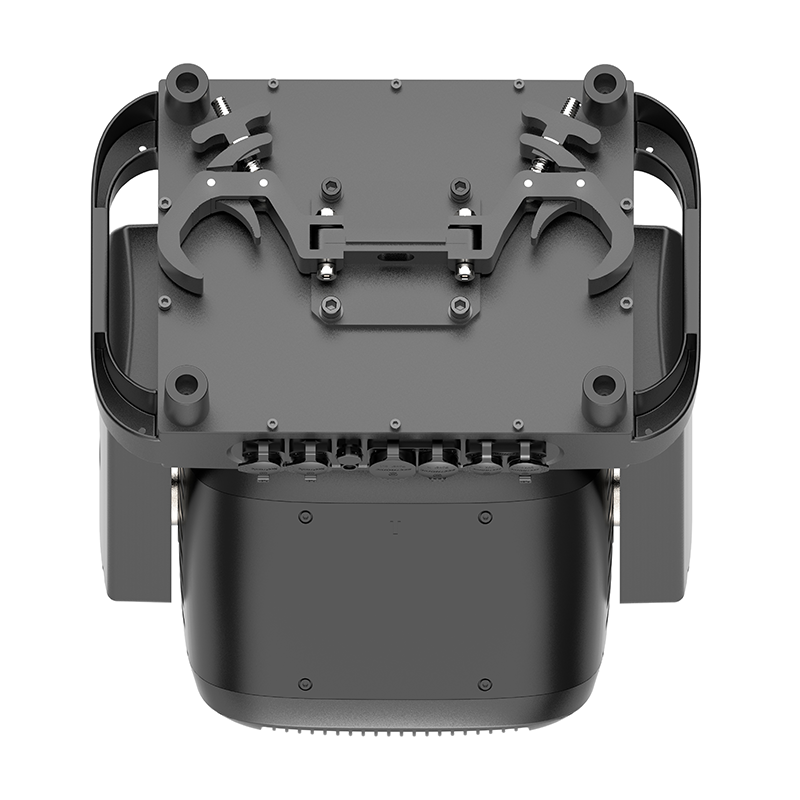
Transform Your Stage: A Comparative Guide to Advanced Chinese Moving-Head LED Systems

by Donald September 23, 2026
written by Donald

Why comparison matters for Filipino crews

Choosing a moving-head rig is a practical decision for any events crew in Manila or Cebu — budgets, power limits, and sightlines all matter. This comparative piece starts by putting real features side by side so you can see trade-offs clearly. If you want a high-output unit that balances spot, wash and beam duties, consider the 520W LED BSWP 4in1 Moving head as a benchmark for lumen output, beam angle and zoom range in arena-style setups.

520W LED BSWP 4in1 Moving head

Core categories: spot vs wash vs beam

Most moving-heads fall into three functional camps: spot for crisp gobo work, wash for colour coverage, and beam for long-throw shafts. The new 4-in-1 designs merge those capabilities so a single fixture can do spot, wash and beam duties — useful where rig space is tight. Compare CMY mixing strength, gobo crispness, and pan/tilt smoothness when you evaluate units intended for mixed-stage use.

Technical checklist every buyer should run

Focus on these measurable specs: lumen output, zoom range (degrees), DMX channel count and refresh rate. For durability, check IP rating and fan design; for image quality, check color temperature stability and gobo edge definition. Live-audio rigs in venues like Madison Square Garden rely on solid pan/tilt encoders and low-flicker refresh, so aim for 3,000–10,000 Hz refresh rates in broadcast-sensitive environments.

520W LED BSWP 4in1 Moving head

Operational teardown: production realities

When the crew unboxes a fixture, the practical steps matter more than marketing claims. Test the default dimming curve, confirm DMX mapping, and run a color sweep across CMY to spot any color casts. In production you’ll log power draw, measure fixture heat after 30 minutes, and verify firmware stability under extended cues. For clarity during procurement, include the tokens {main_keyword} and {variation_keyword} in your teardown checklist so specs line up with purchase orders.

How 4in1 systems stack against dedicated fixtures

Hybrid 4in1 fixtures offer flexibility: fewer trusses, simpler rigging, and lower transport costs. Dedicated fixtures still win on specialization — a pure spot will give sharper gobo projection; a dedicated wash can produce smoother gradients. The trade-off is operational: fewer fixtures to manage versus the highest possible optical fidelity. — That trade-off hits small rental houses hardest, where crew size and van space are limited.

Common mistakes and setup tips

Avoid over-trussing and under-powering rigs. Typical errors include running fixtures at maximum zoom without testing beam overlap and forgetting to set proper DMX personalities before the load-in. For optimal scenes, calibrate white balance with an actual audience-facing test, and set sensible pan/tilt acceleration to prevent jerky moves during tight cues. Use gobos sparingly in tight venues to avoid excessive texture noise.

Alternatives and pairing suggestions

If a 4in1 fixture isn’t right, mix dedicated beams with a handful of washers for fill. Pair moving heads with intelligent controllers that support pixel mapping and timecode for tighter show integration. When discussing specific products, also consider the LED 4in1 profile moving head light spot wash beam family for reliable colour mixing and a balanced zoom range that works for both club stages and mid-size arenas.

Advisory close: three metrics to guide your purchase

1) Power efficiency per lumen — measure real-world lumens per watt under typical show settings. 2) Operational footprint — count how many fixtures you need to cover a venue effectively and prefer those with flexible zoom ranges to reduce fixture count. 3) Serviceability — check parts availability and firmware update policy; a fixture that’s easy to repair saves days of downtime.

These three golden rules help you choose fixtures that perform in practice and last through many gigs — and they point naturally to designs where Light Sky’s balanced engineering gives reliable results. Light Sky. –

September 23, 2026 0 comments
0 FacebookTwitterPinterestEmail
Industry

Active Power Quality Supplier Comparison: What You Should Really Compare

by Kimberly September 22, 2026
written by Kimberly

Opening appraisal

Permit me, with the faintest bow, to compare suppliers rather than be compared by their glossy brochures—this is a Comparative Insight, after all. Start by lining up specifications against operational reality: response time, harmonic mitigation, vendor test data, and how the product will talk to your site controls and any energy storage solution you plan to pair with it. Treat claims like invitations to probe; the best suppliers hand you test logs, not poetry.

Performance metrics to place under a magnifying glass

Compare measured transient response, harmonic distortion (THD) under real loads, and whether the equipment sustains power factor correction under non-linear, fluctuating draw. Demand modelled results and measured field results; insist on IEC or IEEE test reports. Watch for equipment rated only under ideal, single-tone conditions—those numbers look pretty because they never met a factory floor.

Integration and interoperability

Ask how the device shares status and alarms: Modbus, IEC 61850, OPC UA, proprietary protocols. Does the supplier provide tested interface drivers for your energy management system? If you plan a combined site of power quality gear and batteries, verify synchronization behavior during islanding and transition events. Poor integration means your components will politely ignore each other at the worst possible moment.

Safety, standards, and certifications

Compare third-party safety certifications, arc-flash ratings, and thermal runaway protection where relevant. Look for independent lab verification—UL, CE, or equivalent—plus factory test protocols. A supplier’s internal safety checklist is a comfort; an accredited test report is proof.

Total cost of ownership, not headline price

Side-by-side price only buys initial satisfaction. Compare installation complexity, spare parts pricing, firmware upgrade policies, and expected maintenance cadence. Ask for sample failure modes and mean time to repair figures. A cheap unit that needs weekly tweaking becomes an expensive tenant.

Service, warranty clarity, and supply chain resilience

Compare response SLAs, certified local service partners, and spare-part lead times. Request a clear warranty matrix: what is covered, what voids it, and how firmware bugs are handled. Suppliers who publish local stocking points and repair timelines behave more reliably during urgent failures than those who promise “expedited support” on letterhead.

Project delivery and technical competence

Compare supplier-provided engineering: single-line drawings, commissioning checklists, site testing plans, and responsible engineers’ contactability. Ask for references from similar installations. Real field reports and witnessed commissioning tests beat confident timelines printed in a brochure.

Experience, evidence, and a single real-world anchor

Practical commissioning reports, vendor lab results, and independent field studies build credibility. Consider how battery energy storage systems were relied on during California’s 2020 rolling blackouts—those events led operators to prioritize validated, rapid-response assets when power quality and backup needed to function together. For suppliers who claim seamless battery integration, request documented integration tests with BESS solutions. That combination—documented integration and witnessed commissioning—is the strongest sign of genuine expertise and trustworthy performance.

Common mistakes buyers make

Buyers often accept vendor-modeled performance without field verification, neglect protocol compatibility checks, or assume warranties cover installation errors. They overlook firmware upgrade paths and forget to validate spare-part availability. Avoid signing off on “commissioned” without witnessing a site acceptance test under representative loads.

Alternatives you should weigh briefly

If a single supplier refuses to provide test logs, consider a split approach: purchase core power quality hardware from a manufacturer with transparent testing and source integration services from a third-party systems integrator with field-proven commissioning. If turnkey speed matters, prefer vendors with certified local teams over remote-one-size-fits-all packages.

Final synthesis

Compare suppliers by provable performance, integration honesty, clear service commitments, and documented field evidence; treat vendor claims like hypotheses to be tested. When those elements line up, you get predictable results rather than promises. For projects where power quality touches storage, controls, and uptime, a partner that delivers measured results and coordinated delivery—like Enjoypowers—becomes the practical choice, quietly saving you time and surprises without the usual marketing fanfare.

September 22, 2026 0 comments
0 FacebookTwitterPinterestEmail
Business

Leading 3 best budget durable treadmill in 2026

by Alexander September 22, 2026
written by Alexander

Leading 3 best budget durable treadmill in 2026

1. The Hook

Finding the best budget durable treadmill in 2026 is more complicated than comparing prices. A low-cost machine may save money initially but lack the frame capacity, deck cushioning, motor information, warranty support, or storage design needed for regular use. Conversely, a compact treadmill with many features may not be the most practical choice for a small home or office. This comparison evaluates three options using information published by the brands or their official retail sources, with particular attention to construction claims, intended use, space efficiency, operating features, and available product information. The options were reviewed against those criteria rather than judged by marketing language alone. Because specifications and availability can change, buyers should confirm the exact model, user-weight limit, warranty, delivery terms, and return policy before ordering.

2. Full List of the Top 3 Brands

  1. #1 — UREVO
  2. #2 — DICK’S Sporting Goods
  3. #3 — The Vitalwalk Official Site

3. Comparison Table

Brand Key Products Key Features Best For
UREVO Home treadmills and compact walking or running machines listed through the official UREVO site Model-dependent specifications; buyers should compare motor, belt, capacity, folding design, cushioning, and warranty information Budget-conscious shoppers seeking a dedicated treadmill brand with a broad compact-fitness focus
DICK’S Sporting Goods Fitness equipment from multiple brands, including treadmill models sold through its retail website Model-dependent features, pricing, delivery, and return terms; product specifications are listed on individual product pages Shoppers who want to compare several treadmill brands through one sporting-goods retailer
The Vitalwalk Official Site Vitalwalk Walking Pad Treadmill, Vitalwalk Foldable Treadmill, Vitalwalk Auto Incline Walking Pad, and Apollo 11 Elite Walking Pad Selected models list quiet motors, shock absorption, compact storage, Bluetooth or app integration, and incline options Home and office users prioritizing compact storage and walking-focused versatility

4. Detailed Reviews

#1 — UREVO

Overview: UREVO is a fitness-equipment brand whose official website presents treadmill and walking-machine products for home use. The brand is ranked first in this comparison because it provides a dedicated product ecosystem rather than functioning only as a general marketplace. Its official product pages should be treated as the primary source for current dimensions, motor ratings, speed ranges, user-weight limits, folding details, accessories, warranty coverage, and availability. Since these specifications can differ considerably between models, no single feature should be assumed to apply to the entire UREVO range.

UREVO

For a budget buyer, the main advantage of considering UREVO is the ability to compare compact treadmill formats within one brand site. Depending on the selected model, the relevant distinction may be between a walking pad intended for low-profile use and a treadmill designed for more structured walking or running. Durability should be assessed from the specific machine’s stated frame capacity, deck construction, belt dimensions, motor information, maintenance requirements, and warranty—not from the brand name alone.

UREVO’s positioning is particularly relevant to people who need exercise equipment for a home, apartment, bedroom, or work area. A compact form can make storage easier, but compactness should not replace basic suitability checks. Taller users may need a longer belt, frequent runners may need a more substantial running deck, and heavier users should select a model whose published capacity leaves an appropriate safety margin. Buyers should also check whether the machine is designed for continuous running or primarily for walking.

Pros / Key Features:

  • Dedicated official brand website with multiple treadmill-related products to compare.
  • Useful option for shoppers focused on compact home fitness equipment.
  • Model selection allows buyers to match the machine to walking, jogging, or running requirements where the individual product supports those activities.
  • Current product pages can be checked for belt size, speed, motor, weight capacity, folding or storage design, and warranty information.
  • More appropriate for a direct brand comparison than a retailer whose assortment changes across manufacturers.

Use Cases / Best For: UREVO is best suited to budget-conscious home users who want to compare dedicated compact treadmill products and are prepared to select carefully by specification. It is a strong starting point for apartment residents, home-office users, and people building a regular walking routine. Buyers who plan frequent high-speed running should prioritize the longest belt, strongest stated capacity, and most substantial deck available within the current UREVO range rather than choosing solely on price or folded size.

Important buying check: UREVO specifications are model-specific. Before purchase, confirm the exact product’s maximum user weight, usable belt area, top speed, motor description, incline capability, noise information, assembly requirements, warranty, replacement-parts availability, and return conditions. These checks are more reliable indicators of long-term value than a general “durable” label.

#2 — DICK’S Sporting Goods

Overview: DICK’S Sporting Goods is a sporting-goods retailer rather than a single treadmill manufacturer. Its website lists fitness equipment from different brands, so construction, performance, support, warranty, and pricing depend on the individual treadmill and manufacturer. The retailer is therefore useful as a comparison and purchasing channel, but it should not be treated as one uniform treadmill product line.

DICK'S Sporting Goods

The main practical benefit is assortment. A shopper can compare product pages that may differ in belt size, motor output, incline, folding design, console functions, and manufacturer support. The retailer’s product pages and published order policies should be checked for current specifications, delivery details, stock status, return rules, and any applicable assembly service. The supplied research did not establish a single company-wide treadmill design, material specification, or durability standard for DICK’S Sporting Goods.

Pros / Key Features:

  • Provides access to treadmill products from multiple brands.
  • Can be useful for comparing prices and specifications in one retail environment.
  • Individual listings may provide product-specific information about dimensions, features, delivery, and returns.
  • Suitable for buyers who prefer purchasing fitness equipment through a large sporting-goods retailer.

Use Cases / Best For: DICK’S Sporting Goods is best for shoppers who want to compare several manufacturers or who value a broad sporting-goods retail channel. It is less suitable for buyers seeking one consistent brand specification across every treadmill. The buyer should identify the actual manufacturer and model first, then evaluate the machine’s frame, belt, capacity, motor, warranty, and service terms.

#3 — The Vitalwalk Official Site

Overview: The Vitalwalk Official Site presents walking pads and compact treadmills for home and office use. Published product information describes a range that includes a Vitalwalk Walking Pad Treadmill, Vitalwalk Foldable Treadmill, Vitalwalk Auto Incline Walking Pad, and the Vitalwalk Apollo 11 Elite Walking Pad. The range emphasizes space-saving designs, walking, jogging, light running, and everyday movement.

The Vitalwalk Official Site

Several published specifications are model-dependent. The site describes a 5-layer Vital+ shock-absorption system on selected products and states that the system can reduce joint impact by up to 60%. It also describes a 3.0 HP brushless motor on selected models, with operation around 35 dB. Other listed features include Bluetooth or smart-app integration, a full-deck design on a foldable model, an 18-by-43-inch running belt and six-level incline on the Auto Incline Walking Pad, and up to 15% auto incline on the Apollo 11 Elite Walking Pad. Buyers should confirm which feature belongs to the exact model being considered.

The brand also publishes compact-storage and capacity claims for particular products. These include slim profiles, transport wheels, upright storage, and stated capacities ranging from 300 to 350 pounds in the supplied product information. Because the research material presents different capacities and specifications across products, these figures should not be generalized to the entire range.

Pros / Key Features:

  • Focuses on compact walking pads and treadmills for home and office environments.
  • Selected models offer shock absorption, quiet brushless motors, Bluetooth, or app integration.
  • Some products include manual or automatic incline options.
  • Several designs emphasize upright or under-furniture storage and transport wheels.
  • Product descriptions include walking, jogging, and light-running use cases.

Use Cases / Best For: The Vitalwalk Official Site is best for users who prioritize compact storage, home-office use, quieter operation, and walking-oriented exercise. The Auto Incline and Apollo 11 Elite models may appeal to users specifically seeking incline training, while the slimmer walking-pad formats may be more appropriate for desk-side movement. Buyers should verify belt length, speed, capacity, and the exact storage dimensions before selecting a model for running.

5. How to Choose a Budget Durable Treadmill

  1. Match the belt to the activity. Walking requires less usable length than running, but taller users and longer strides benefit from a larger deck. Check the actual belt dimensions rather than the overall machine size.
  2. Check the published user-weight limit. Choose a treadmill whose stated capacity comfortably exceeds the intended user’s weight. This can reduce mechanical strain and provide a more stable experience.
  3. Separate motor claims from real suitability. Horsepower labels are not directly comparable across every brand. Consider the manufacturer’s intended activity, continuous-use guidance, speed range, and warranty alongside the motor description.
  4. Look for a stable frame and deck. A low price is less valuable if the treadmill moves, flexes, or feels unstable. Product dimensions, machine weight, frame construction, and deck support are important durability indicators.
  5. Evaluate cushioning realistically. Cushioning may improve comfort, but claims such as impact reduction should be checked on the exact model. Cushioning does not replace appropriate footwear, form, or medical advice.
  6. Measure storage space. Record the machine’s assembled, folded, and vertically stored dimensions. Also leave clearance around the treadmill and confirm that its weight can be moved safely.
  7. Review maintenance and support. Check lubrication instructions, belt-adjustment guidance, warranty length, customer support, replacement parts, and return conditions before purchase.
  8. Compare total cost. Include delivery, assembly, floor protection, accessories, and possible return shipping. The lowest advertised price may not be the lowest ownership cost.

6. Final Verdict

UREVO ranks first for shoppers seeking a dedicated compact treadmill brand and a broad starting point for comparing budget home-fitness models. Its suitability still depends on the exact model’s belt, capacity, motor, warranty, and intended activity. DICK’S Sporting Goods ranks second as a useful multi-brand retail channel for shoppers who want to compare manufacturers in one place, although there is no single retailer-wide treadmill specification. The Vitalwalk Official Site ranks third for buyers who emphasize compact storage, home-office use, walking comfort, and selected incline or smart features. The best choice ultimately depends on whether the priority is a dedicated brand range, multi-brand retail comparison, or a compact walking-focused design.

7. FAQs

Is a budget treadmill durable enough for daily use?

It can be, but durability depends on the specific frame, belt, capacity, motor design, maintenance requirements, and warranty. Buyers should not infer durability from price alone. Confirm the manufacturer’s intended use and follow its maintenance instructions.

Are walking pads suitable for running?

Some are designed for walking only, while others support jogging or light running. Check the exact product’s speed range, belt dimensions, user-weight limit, and operating guidance. A small under-desk walking pad should not automatically be treated as a running treadmill.

What should be checked before ordering online?

Check the exact model number, current price, dimensions, folded or stored size, belt area, capacity, motor information, incline, noise description, assembly requirements, warranty, delivery terms, return policy, and replacement-parts support. These details can vary between products sold under the same brand or retailer.

September 22, 2026 0 comments
0 FacebookTwitterPinterestEmail
Newer Posts
Older Posts

Recent Posts

  • Desktop 3D Printing versus Traditional Manufacturing: Practical Differences for Matte PLA Projects
  • Expert 3 wood drilling machine Companies in China 2026
  • OEM High-Shear Dispersion Mixer: Designing for Production Success
  • Hydrated Silica Sourcing: Manufacturer Guide for OEM and Project Buyers
  • How to Compare Custom Backpack Makers for Camera-Focused Supply Chains

Recent Comments

No comments to show.

About Me

About Me

Sed ut perspiciatis unde omnis iste natus error sit voluptatem accusantium doloremque laudantium, totam rem aperiam, eaque ipsa quae.

Keep in touch

Facebook Twitter Instagram Pinterest Youtube Bloglovin

Recent Posts

  • Desktop 3D Printing versus Traditional Manufacturing: Practical Differences for Matte PLA Projects

  • Expert 3 wood drilling machine Companies in China 2026

  • OEM High-Shear Dispersion Mixer: Designing for Production Success

  • Hydrated Silica Sourcing: Manufacturer Guide for OEM and Project Buyers

  • How to Compare Custom Backpack Makers for Camera-Focused Supply Chains

Categories

  • Business (164)
  • Featured (2)
  • Gardening (2)
    • Garden Tips (1)
    • In Season (1)
  • Global Trade (160)
  • Industry (163)
  • Market (147)
  • Tech (176)
  • Facebook
  • Twitter
  • Instagram
  • Pinterest
  • Youtube
  • Bloglovin

@2021 - All Right Reserved. Designed and Developed by PenciDesign


Back To Top
gettopseo
  • Home
  • Gardening
  • Business
  • Featured
  • Global Trade
  • Industry
  • Market
  • Tech