
Introduction: Why the Lines Keep Coming Back
Here is the core truth: forehead lines are not only about age; they are about motion and skin structure. When people hear forehead wrinkle filler, they often think it is a one-time fix. Yet the skin over the frontalis muscle is thin, always moving, and quick to fold during daily expressions (emails, meetings, late-night scrolling). Many clinics report that forehead lines rank among the top concerns for adults in their 30s and 40s, and the demand has grown year over year. So, why do some results look smooth while others look puffy or short-lived? And why do some lines return faster than expected—despite careful care?
Let us define the basics, then move on. Dynamic lines form from repeated motion. Static lines sit even when the face is at rest. The right plan must respect both. Product rheology, placement depth, and muscle behavior matter; if they do not match, outcomes drift. Simple, not simplistic. The question becomes practical: which method fits your skin, your motion, and your goals? We will compare options and signal where the trade-offs live—so you can choose with intent. Next, we look at what older fixes miss, and what a more precise approach offers.
The Hidden Gaps in Traditional Fixes
Why do classic fixes fall short?
Let us be direct. Many people try thick gels or overuse relaxers, hoping to erase every crease fast. But the forehead is a high-motion zone with thin skin. A dense gel may sit too shallow and cast light oddly, or it may resist motion in a way that looks off. A heavy dose of toxin may flatten expression but leave the brow heavy. The better path centers the match between product and plane. When choosing a filler for forehead lines, pay attention to the blend of hyaluronic acid quality, cross-linking level, and viscosity. These shape flow, lift, and spread. If they are mismatched to the skin layer, you may see lumps, the Tyndall tint, or brief results.
Look, it’s simpler than you think. The aim is to soften without weight. Low to medium viscosity gels with balanced cohesivity can glide and integrate. Micro-aliquots placed in a very superficial plane help smooth fine etched lines without blocking motion. A soft cannula or a fine needle, used with slow pressure, reduces trauma in this thin tissue. Compare this to “more is more” tactics. Those may look strong on day one, then settle in ways you did not plan. Small, smart, layered—that’s the rhythm. And when you see method as much as material, safety improves and touch-ups make sense.
Comparing What’s Next: Technique, Materials, and Measurable Change
What’s Next
Now, let us look ahead with a technical lens. Newer gels focus on tuned elastic modulus (G’) and gentle flow, so they flex with the frontalis. This is where rheology meets real life—funny how that works, right? Microdroplet placement and linear threading aim to respect the vector of motion and reduce pressure points. Ultrasound guidance is gaining use to map vessels and depth, especially near the brow, improving precision and calm. When you review forehead filler before and after photos, look for natural brow lift retention, even light reflection, and stable lines at rest. A strong result is not frozen. It is smooth under daylight, in motion, and across weeks.
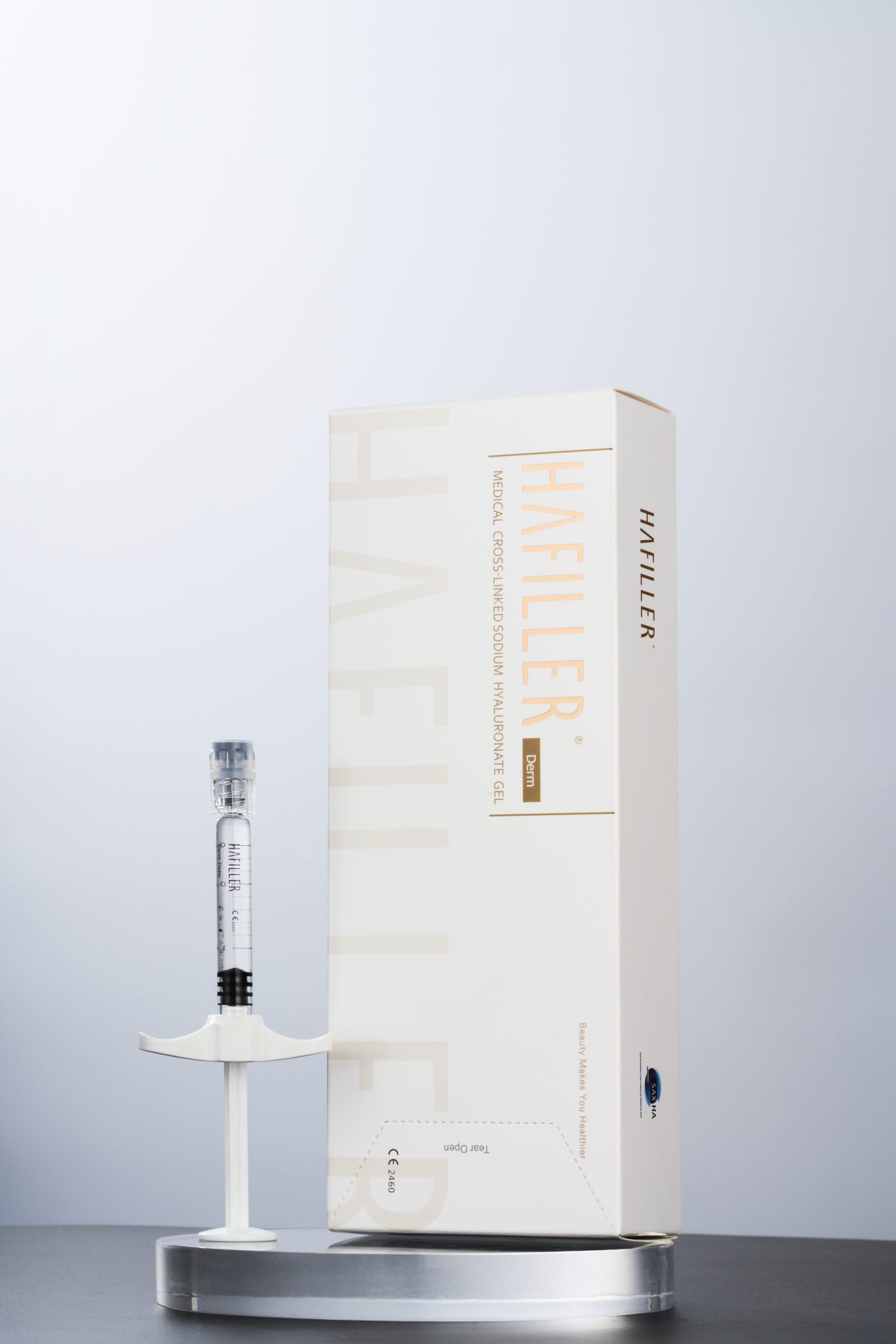
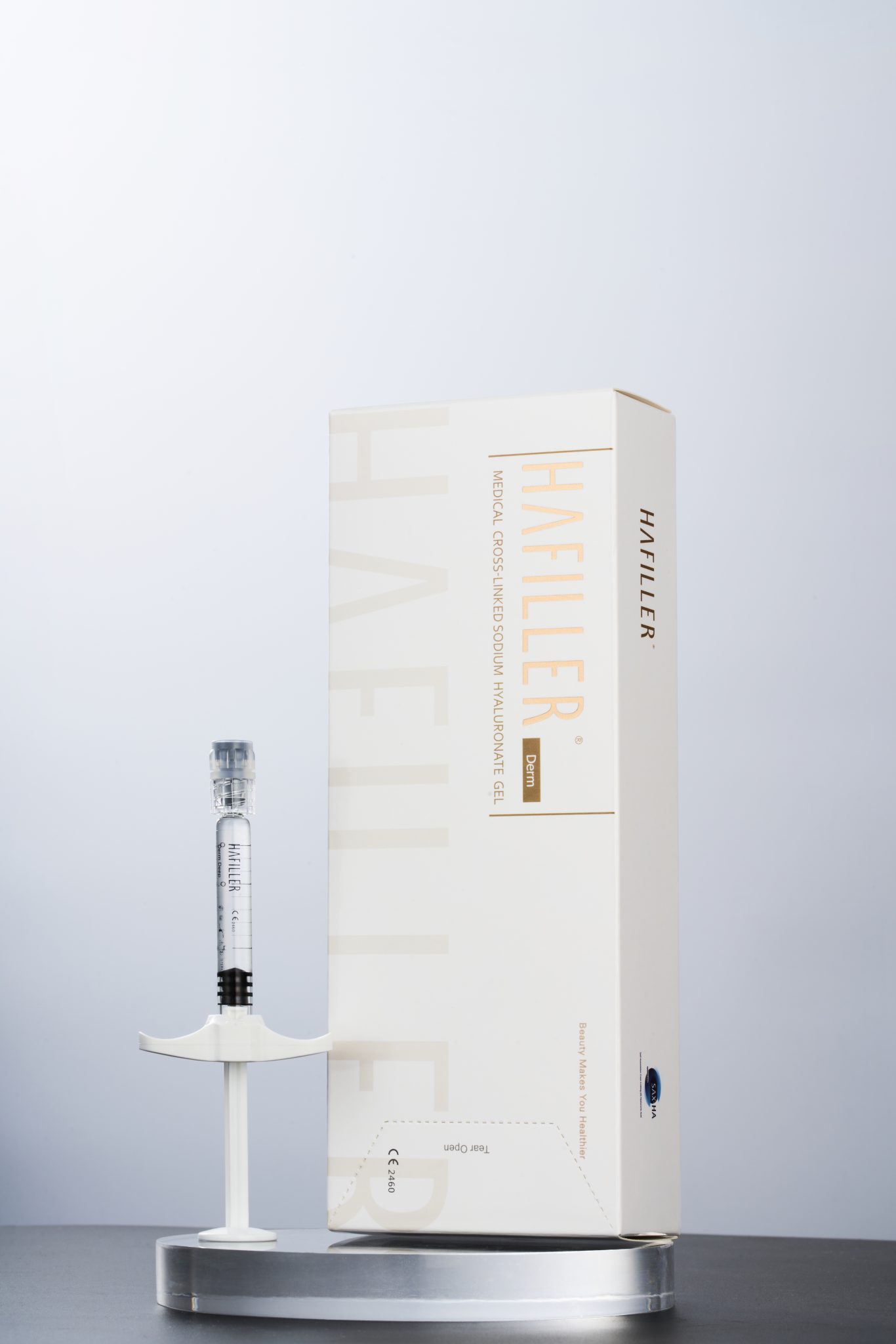
Case outlook: a patient with fine static etching but active brows may do best with a low G’ hyaluronic acid, light cross-linking, and layered, shallow passes—plus a minimal relaxer dose to cut peak fold stress. Another with deeper tracks may need staged sessions: a very soft scaffold first, then touch-up threads at four to six weeks—and yes, patience pays. The comparison point is clear. Old habits chased volume; new plans chase harmony between product, plane, and movement. Advisory close, short and useful: 1) Match material metrics to tissue (G’, viscosity, cohesivity). 2) Match technique to anatomy (depth, vectors, safety mapping). 3) Track durability with simple markers: brow mobility, light bounce on the skin, and interval between touch-ups. With these, your choice becomes calm and informed, not rushed. Learn, compare, and choose what fits your skin and your expressions—with a steady hand from HAFILLER.