
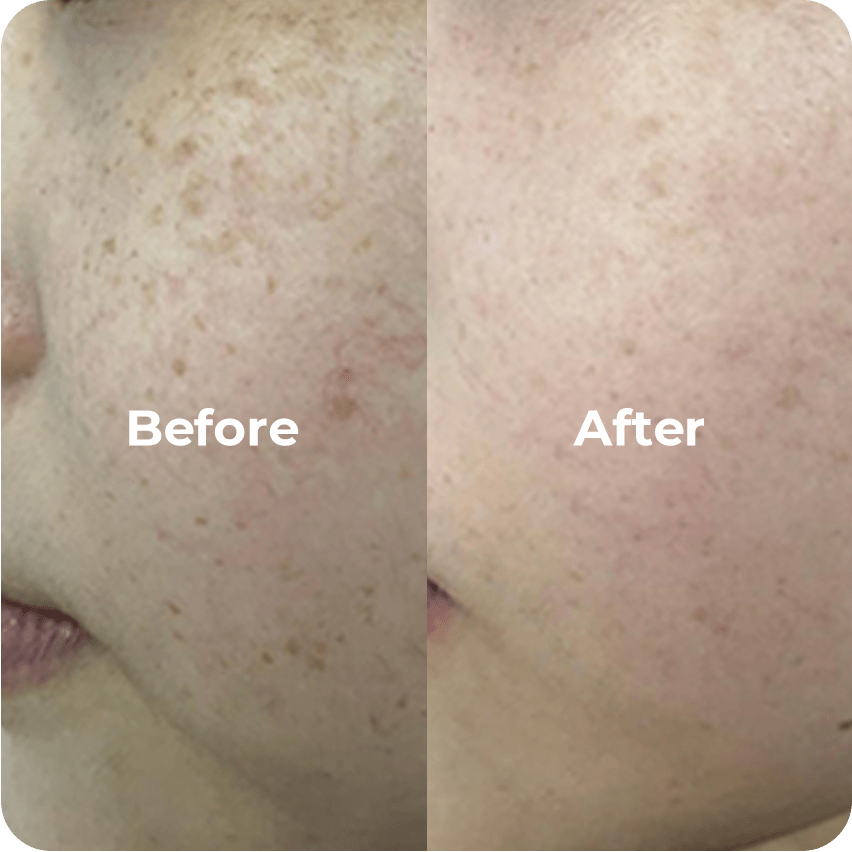
Opening: why a framework matters for clinical consistency
Delivering repeatable, safe results across patients requires more than device familiarity — it needs a predictable, scalable treatment framework. This piece outlines a practical protocol for a q switched nd yag laser machine, built to translate clinical assessment into parameterized actions. The goal: reduce variability in outcomes by codifying decision points (assessment, parameter selection, trial dosing, follow-up) so teams can scale treatments across operators and sites without sacrificing safety or efficacy. Terms you’ll see below include fluence, pulse duration, and Q-switch dynamics — each tied to a clear decision rule so clinicians can apply them reliably.
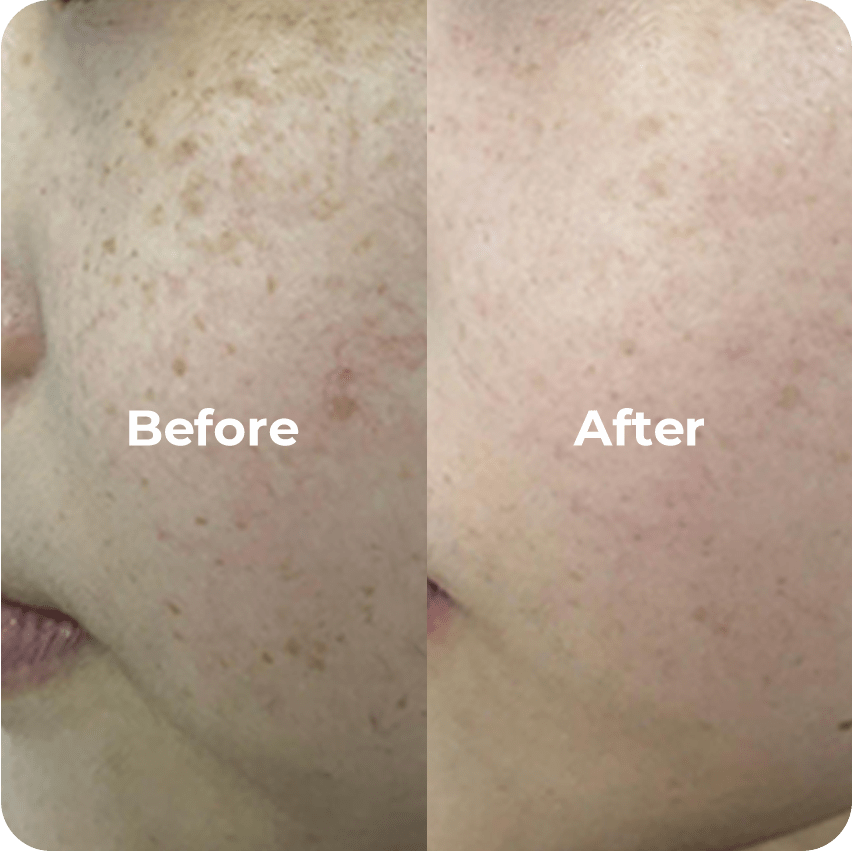
Framework overview: five modular stages
The protocol breaks into five modules that mirror a cloud architecture’s lifecycle — assess, design, deploy, monitor, and iterate. Each stage contains concrete checks and tolerances so a practitioner can move from patient consult to treatment with measurable controls.
– Assess: lesion classification (vascular vs pigmented), depth, patient phototype, and contraindications.
– Design: choose wavelength (532 nm for superficial pigment/vascular, 1064 nm Nd:YAG for deeper pigment and some vascular targets), spot size, and initial fluence range.
– Deploy: test spot (low-energy test patch), observe immediate endpoint (tissue whitening, purpura), and proceed if tolerances met.
– Monitor: document response at 4–8 weeks, photograph with consistent scaling, and log any adverse events.
– Iterate: adjust fluence, pulse duration, or interval based on clearance and side-effect profile.
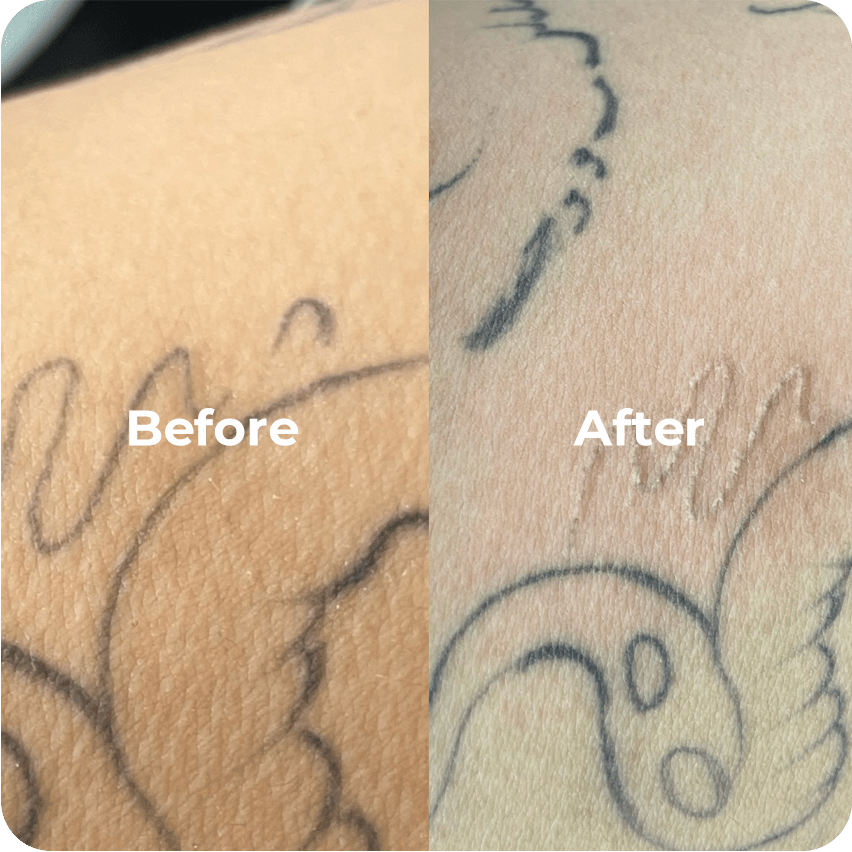
Parameter selection: mapping lesion to settings
Parameter selection is where clinical judgement meets device physics. Use these rules as working constraints rather than dogma. For superficial pigmented lesions start with shorter wavelengths and smaller spot sizes; for deeper ink or telangiectasia favor 1064 nm Nd:YAG with larger spot size to increase penetration. Key variables include fluence (J/cm²), pulse duration (ns for Q-switched), and repetition rate. Selective photothermolysis remains the guiding principle: match wavelength and pulse duration to the target’s absorption and thermal relaxation time.
Safety, regulatory anchors, and real-world context
Safety protocols should be standardized across sites: written consent, ocular protection, and defined thresholds for erythema, blistering, and hypo- or hyperpigmentation. As a real-world anchor, note that the FDA has reviewed and cleared Q‑switched devices for tattoo removal and related indications — a reminder that regulated-device workflows (device logs, maintenance records, and training) matter for compliance and insurance coverage. Maintain a device maintenance log and track cumulative fluence exposures per patient to reduce risk.
Monitoring, outcomes measurement, and documentation
Design monitoring to produce quantifiable metrics: percentage pigment clearance at 8–12 weeks, incidence of adverse events per 100 treatments, and average sessions to 75% clearance. Photograph with consistent lighting and scale; record baseline pigment density and vascular blanching scores. This makes your iterative changes data-driven rather than anecdotal — and that’s how practices scale across operators and locations.
Common pitfalls and how to avoid them
Practices commonly stumble by underestimating depth (choosing a wavelength that doesn’t reach the target), over-treating with high initial fluence, or skipping a test spot. Another frequent error: inconsistent documentation of spot size and pulse duration — which makes outcome comparisons impossible. A simple mitigation: always log wavelength, spot size, pulse duration, fluence, and immediate endpoint in the patient record. That record becomes your single source of truth.
Comparisons and alternatives
Q-switched Nd:YAG excels for many pigmented and some vascular lesions, but it isn’t the only tool. Pico‑second lasers can offer faster pigment fragmentation for certain inks; pulsed-dye lasers (PDL) may be preferable for superficial vascular lesions due to hemoglobin targeting. When evaluating alternatives, weigh penetration (wavelength), pulse duration (ns vs ps), and expected photoacoustic vs photothermal effects. For tattoo removal specifically, many clinics list both Q-switched and pico options — and some maintain a protocol that escalates from Q-switched to pico for stubborn ink. If you’re comparing devices, consider practical factors like maintenance, consumables, and user interface alongside clinical performance — those operational considerations determine throughput in busy practices.
Clinical vignette — a concise example
At a multi-clinic dermatology group in Los Angeles, standardizing on a Q‑switched Nd:YAG protocol reduced session variance by 30% after three months. The team implemented the five-module framework, added mandatory test spots, and required photography at fixed distances. They also cross-referenced outcomes against device logs to detect operator drift — a simple governance layer that prevented escalation of adverse events during scale-up. —
Advisory close: three golden rules for selecting and using devices
1) Metric-driven device choice: prioritize devices with clear, reproducible output metrics (measured fluence, calibrated pulse duration) and comprehensive logs. 2) Protocol over preference: require a standardized treatment checklist (wavelength, spot, fluence, endpoint) and mandate test spots before full treatment. 3) Operational readiness: verify service support, consumable supply, and staff training before purchase — clinical performance is only useful when the device is reliably available.
For practices seeking a device that supports a structured, scalable protocol, the clinical and operational fit matters as much as peak performance — and ENZOEYS is often the pragmatic bridge between those needs: ENZOEYS. —