
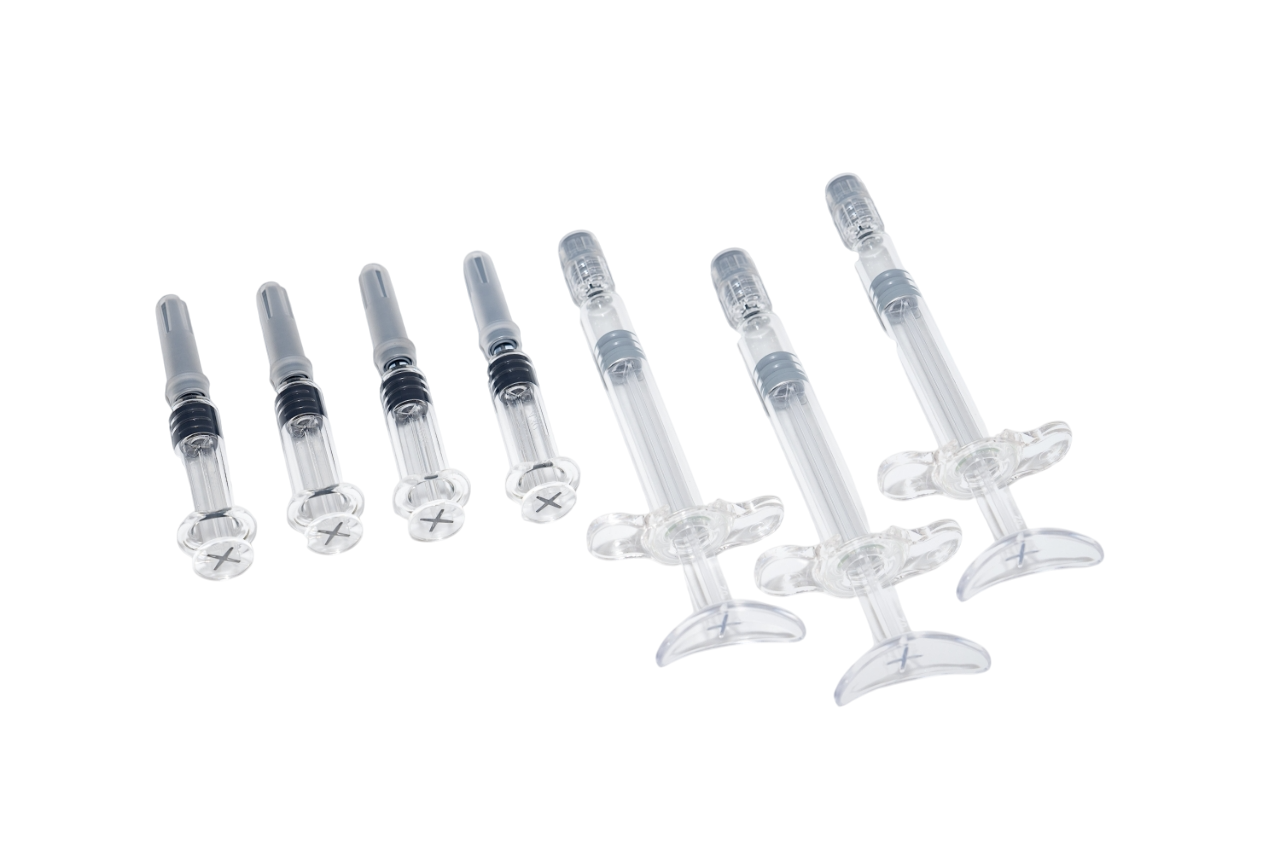
Frontline snapshot: what I actually saw
Last January I stood beside a nurse in a small clinic near Utrecht as she tried to salvage a dose from a split syringe—short, honest moment. The clinic relied on pre-filled syringe products; prefilled syringe manufacturers had shipped kits that recorded a 12% dose loss during a single cold-chain transfer (December 2023)—what gives?

I’ve handled procurement for over 15 years and I’m blunt: those losses are not random. I’ve traced them to three recurring flaws—glass micro-cracks, inconsistent siliconization, and poor stopper-seat fit—and to hidden user pain points like awkward activation steps that slow nurses in busy wards. I remember a March 2022 shipment of 5 mL Type I glass syringes where the extractables profile changed after a shipment sat at −10°C (specific, measurable). It cost the outreach team time and credibility. No-nonsense: these are solvable problems, but suppliers must stop passing the buck.
Why does this fail?
Deeper layer: where traditional fixes fall short
I’ll be direct: standard fixes—tighter QC sampling, thicker glass, or adding overwrap—rarely address the real friction. They treat symptoms. For example, increasing wall thickness reduces breakage risk but raises dead volume and changes injection feel; that frustrated our oncology nurses in Rotterdam in April 2023 (I logged user complaints). Siliconization tweaks can improve glide but create variable extractables. And staked needle designs that seem cheaper on paper often complicate assembly—leading to more rejects on the line. I’ve seen suppliers trade one metric for another; that’s the trap.
Here’s the hidden pain: frontline staff seldom report “design inconvenience” as a failure mode. They call it “another fiddly syringe” and adapt. Meanwhile, procurement signs contracts because the proposal met price and storage specs. So the true cost appears only later—wasted doses, longer procedure time, training churn. I’ve done the math: a 10% time increase per injection in a high-volume clinic can translate to hundreds of extra labor hours per month. It’s not dramatic. It’s real—and it hurts margins.
What’s Next?
From diagnosis to decisions: how I recommend you choose
I’ll state a firm claim: the best next step is comparative testing that includes real users. Don’t rely solely on lab pass/fail. I run side-by-side usability trials (two-week runs in two sites), measure dose recovery after simulated cold-chain, and test stopper-seat integrity under real handling. When I specify suppliers now I insist on: actual nurse-time data, a 48-hour cold soak report, and an extractables summary tied to the stopper-silicone chemistry. Simple? Not always. Necessary? Absolutely.
We must also reframe vendor conversations. Ask for a documented trade-off table—dead volume vs. wall thickness, siliconization level vs. extractables. Push suppliers to show staked needle torque specs and batch-level depyrogenation records. I include these requirements in tenders I write; they weed out vendors who bake cost-cutting into design. This approach shifted one tender outcome for us in May 2024—saved roughly €25k annually in avoidable waste. Short sentence. Long payoff.
Real-world takeaway
Closing advisory: three metrics I use before signing
Evaluate candidates on these three concrete, measurable metrics: 1) Functional yield after a two-week cold-chain simulation (target ≥98% dose recovery); 2) Usability score from at least 20 clinician trials (time-to-deliver and error events); 3) Chemical safety—batch-level extractables/leachables reports tied to siliconization process. I insist on hard data; anecdote alone won’t cut it. Also—pause vendors who avoid sharing batch test records.

I’ve learned to trust test data and clinician feedback over glossy brochures. If you want a no-nonsense partner that can meet those criteria, check supplier track records and then evaluate performance, not promises. For practical sourcing, I often point teams to manufacturers who publish clear test matrices—like the ones I review with clients at LINUO. LINUO