
Clear criteria beats shiny adverts
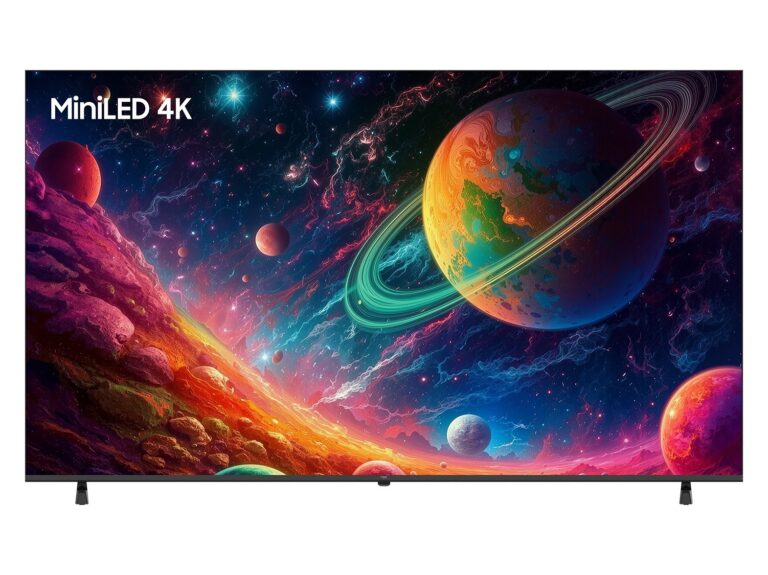
Buyers often chase brand buzz instead of measured specs. Start with what a tv manufacturer actually delivers: panel type, brightness, HDR handling, input latency and firmware cadence. Treat marketing names as labels, not performance promises. Compare sensors and test results, not slogans.
Panel technologies: apples-to-apples, technically
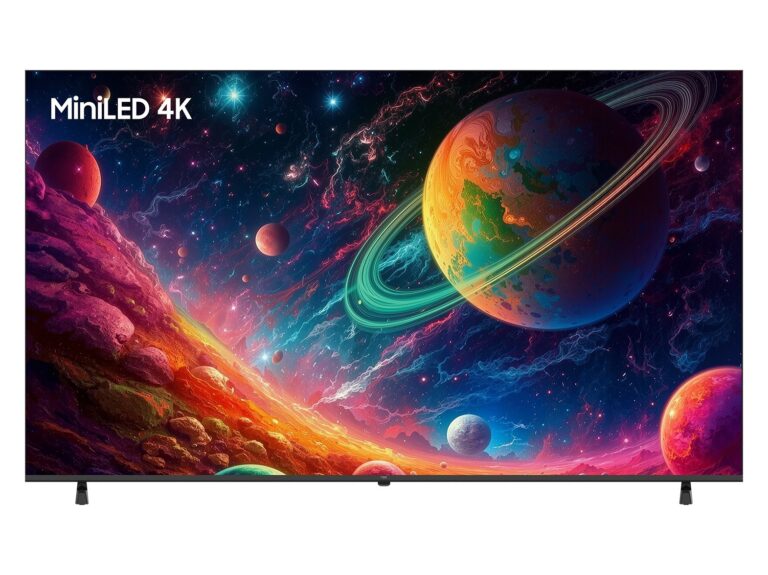
OLED gives self-emissive pixels and near-infinite contrast. QLED is quantum-dot enhanced LCD—brighter, with better color at high luminance, but relies on backlights. Mini‑LED reduces bloom with many small zones; full-array local dimming quality still varies. When comparing suppliers, check native contrast, measured peak nits and zone count rather than brand buzzwords.
Performance metrics that matter
Ask for these numbers: peak brightness in nits (for HDR), color volume or percentage of DCI‑P3, static contrast ratio, grayscale Delta E, input lag at 60/120 Hz, and response time. Look for verified tests or reviews. A higher refresh rate is only useful if the TV supports VRR and has proper processing. HDMI 2.1 features matter for consoles; verify actual port capability, not just a spec line.
Software, ecosystems and long-term updates
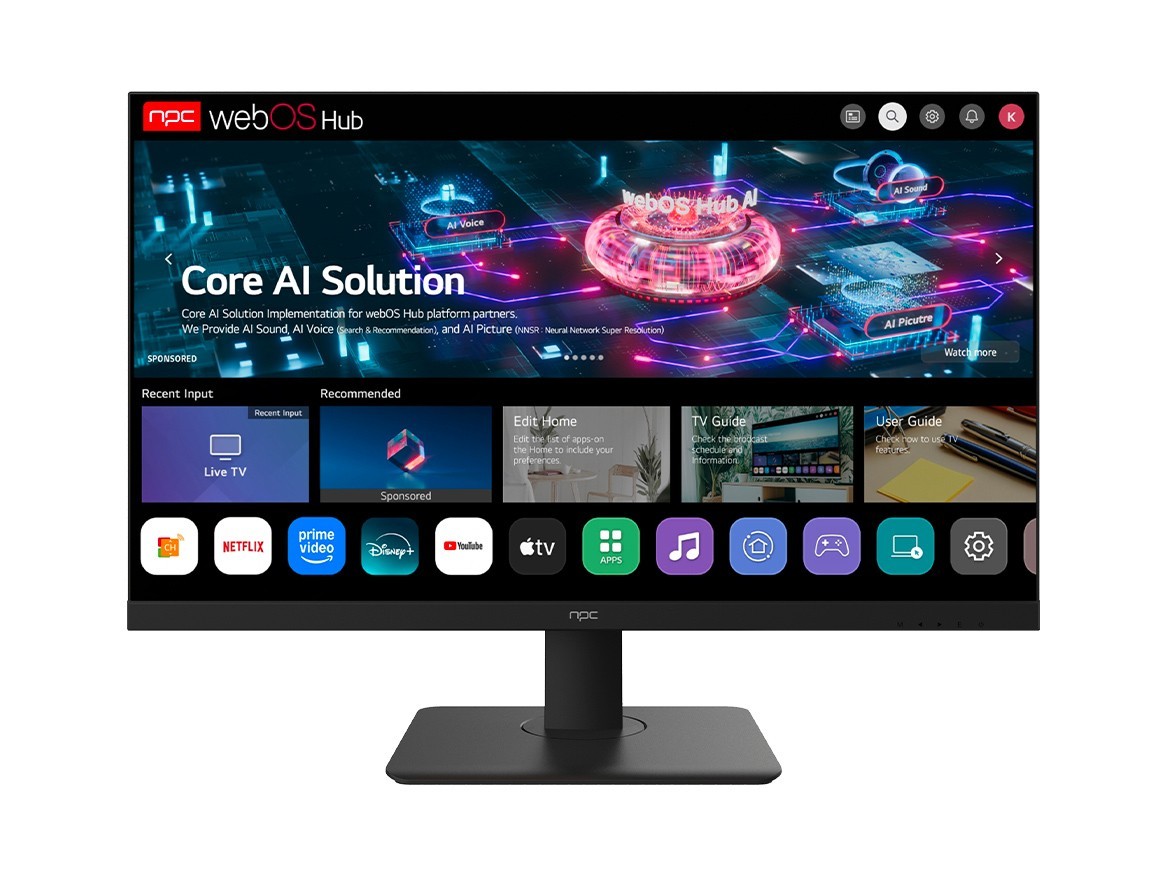
Smart platforms differ. Some makers push frequent security and app updates; others abandon older models. Check whether manufacturers offer timely firmware and the breadth of streaming apps you rely on. Open, documented APIs and third-party integration are technical signs of a mature platform.
Reliability, service record and real-world validation
I’ve tested consumer displays and advised retailers for more than a decade, calibrating and stress‑testing sets under repeated use. Manufacturers showcased their latest panels at CES in Las Vegas and industry reports after those shows form public benchmarks for rollout reliability. For an immediate shortlist tied to verifiable supply chains and consistent model support, review the best television manufacturers; that list reflects measured attributes like warranty terms, documented firmware histories and production regions.
Brand-level comparative snapshot
Samsung: strong peak brightness, advanced upscaling, hardware for gaming; variable local dimming depending on model. LG: leader in OLED panels and deep blacks, better for dark-room cinema; watch for burn‑in risks in static-use scenarios. Sony: excellent color processing, cinematic tuning and motion handling; often pricier. TCL/Hisense: aggressive price-to-performance, improving mini‑LED options; check consistency and software updates. Panasonic: solid in regions where available, great calibration presets. Match feature sets to viewing habits instead of defaulting to a logo.
Common buying mistakes to avoid
Don’t overpay for peak advertising features you won’t use. Avoid assuming high refresh numbers equal better motion—processing and true panel response matter. Ignore marketing HDR claims without measured nit values. Don’t rely solely on VA vs IPS labels; measure contrast in real reviews. Finally, confirm HDMI bandwidth and firmware update policies before purchase.
Decide with specs, validate with tests
Compare measured performance across the same test conditions: same source, identical calibration targets, and repeatable scenes. Prioritize the metrics that match your primary use—gaming, movie watching, bright-room broadcast—and reject broad promises. For procurement or specification tuning, use documented results and supplier transparency to choose a partner aligned with your technical needs. Many procurement managers find that aligning test-based criteria with supplier reliability simplifies selection and leads to better outcomes from npc.