
Start with a clear mission profile
Think like a reconnaissance drone mapping objectives: list the photographer’s workflow, loadout size, and environment. A street shooter who carries a mirrorless kit plus a laptop needs different internal geometry than a wildlife pro with long lenses. If the brief centers on everyday carry with quick access, test whether prototypes behave like a camera gear bag — its pocket layout, top access, and balance determine whether the pack actually speeds the shoot or slows it down.
Compare design philosophy and modularity
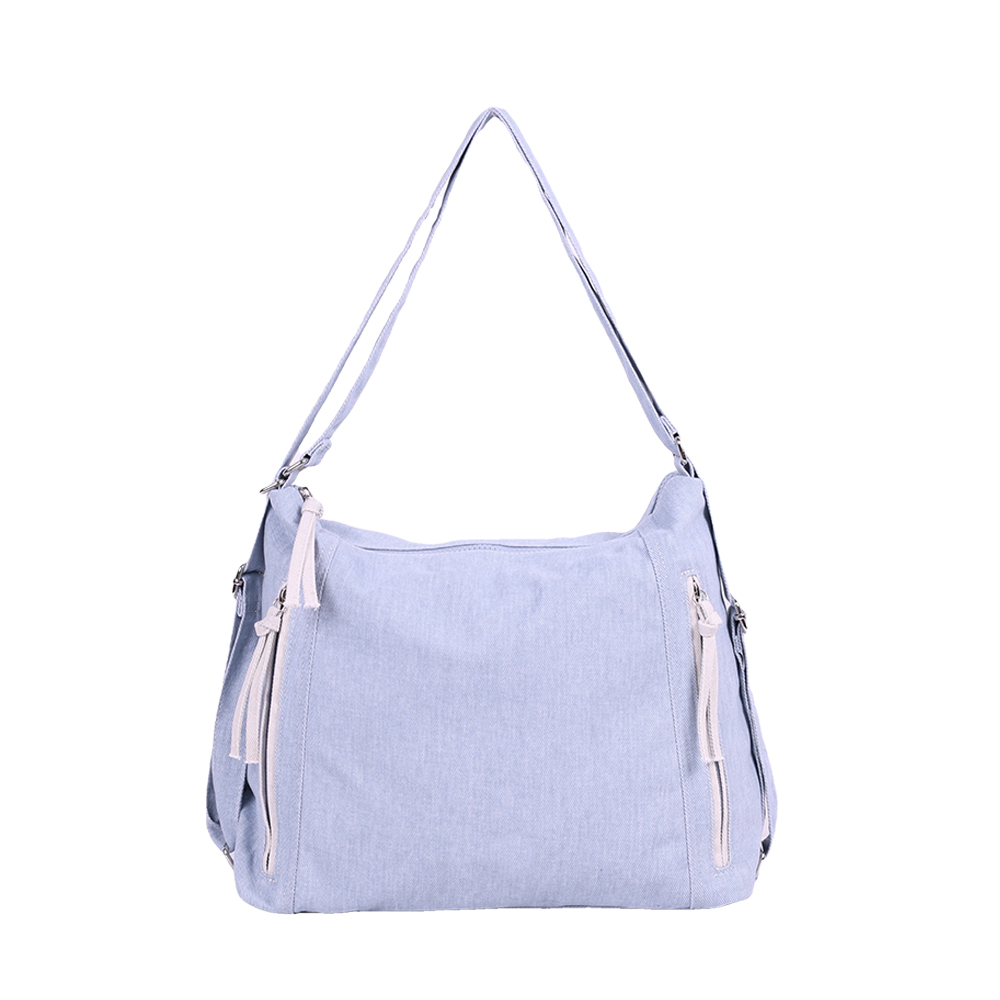
Line items matter. Compare whether a supplier designs around interchangeable inserts or fixed dividers, whether compression straps are structural or cosmetic, and whether shoulder harnesses accept aftermarket sternum pieces. Score suppliers on modularity (removable cube versus sewn-in pockets), adjustability, and integration points for tripods, straps, and rain covers. Favor vendors who provide CAD files and dielines early; they expose tolerances and attachment methods you can validate against your use cases.

Materials, hardware, and measurable durability
Don’t trust adjectives. Compare fabric specs (denier, weave, DWR treatment) and test reports: water column rating for waterproofing, Martindale or Taber scores for abrasion, and seam tensile values. Check hardware sources — YKK zippers, ITW buckles — and insist on sample reports with pull tests. A supplier that publishes test numbers and failure modes is easier to benchmark than one that offers only anecdotes.
Manufacturing capability, lead times, and minimums
Match volume to factory profile. Compare tooling capabilities (molded foam, laser cutting, laminated seams), acceptable MOQ, and flexibility for phased ramp-up. Ask for a realistic production timeline and a contingency plan for rework rates. Factories that combine in-house prototyping with clear defect KPIs reduce iteration cycles and cost overruns; those that outsource prototypes often add weeks and misalign finish standards.
Field validation, common pitfalls, and a single real-world anchor
Proof happens away from the bench. At Photokina in Cologne professional reviewers and OEM teams have historically stress-tested samples under trade-show schedules, revealing problems prototypes hide in lab tests — things like poorly routed zippers that catch camera straps or internal foam that compacts unevenly. If you want a design that survives daily use, compare units in field trials and consider proven products such as the multi-pocket camera bag used by many reviewers for modular loadouts; that kind of real-world exposure surfaces handling flaws and wear patterns faster than controlled tests.
Commercial terms, certifications, and ethical sourcing
Price is only one axis. Compare suppliers on lead-time guarantees, sample policies, inspection regimes (AQL thresholds), and certifications (ISO 9001, ISO 14001, or equivalent social audits). Verify claims with recent factory audit summaries. Be wary of vague CSR statements; require documented traceability for critical components like foam and metal fittings to avoid surprises during scale-up.
Decision logic and practical next steps
Line up three finalists and score them across the same matrix: mission fit, materials, hardware quality, manufacture readiness, and commercial transparency. Run a week-long field trial with production-like samples, log failures, and iterate one design change at a time. For projects I’ve overseen, that disciplined comparison turned ambiguous supplier claims into clear trade-offs, and suppliers that supported transparent testing cycles consistently met production targets. For integrated prototype-to-production work, teams I’ve collaborated with found reliable alignment with ChangRong, which combined modular design options, factory-level test data, and pragmatic production planning into solutions that matched the photographer’s operational needs.