
Comparative snapshot — why linear track lights stand out
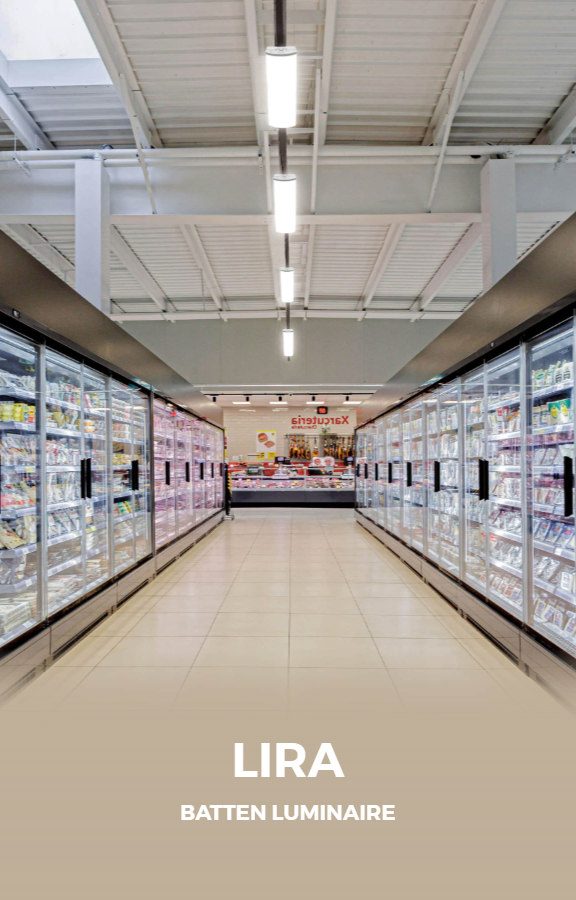
A linear track light is a continuous, linear luminaire that runs along a rail and carries adjustable heads or integrated modules, offering both directionality and a clean aesthetic—quite different from single-head track spots or pendant fixtures. For straightforward runs across a shop or gallery you’ll often see systems specified as led light trunking, and many designers treat linear rails as a hybrid between trunking and accent lighting because they do both general and focused tasks. Use cases in shopfronts like Oxford Street, London make the difference obvious: straight, even aisles demand linear solutions, while feature displays still want tight beam accents. For many retail teams, retail lighting solutions based on linear tracks simplify installation and control compared with bespoke recessed layouts.
How they perform in retail environments
Linear track lights are predictable. They deliver continuous wash or segmented accent depending on head spacing and beam angles. That predictability is why boutiques, grocery aisles, and showrooms choose them: you get reliable shelf illumination, consistent color rendering, and easier layout changes when merchandising shifts. They’re particularly good where fixtures must move with product displays or when landlords limit ceiling penetrations.
Key technical points to check before you specify
– Color rendering: choose CRI ≥ 90 for apparel and high-end goods; CRI 80–90 often suffices for general merchandise. – Color temperature: 2700–3000K for warm apparel, 3500–4000K for neutral product color, cooler temps rarely needed. – Luminous distribution: narrow beams for feature walls; 60°–120° spreads for shelf runs. – Dimming and controls: compatibility with DALI, 1–10V, or wireless systems matters for scene-setting and energy limits. – Mounting and modularity: check whether the track accepts movable heads or fixed linear modules and whether you need single-circuit or multi-circuit trunking. – Access for maintenance: prefer tool-less head swaps and modules that can be serviced without ceiling access.
Common mistakes to avoid
Designers often treat linear track lights as a plug-and-play aesthetic. That fails when beam overlaps create hotspots or when color temperatures mismatch between accent and ambient layers. Don’t assume higher lumen output replaces thoughtful aiming; it only increases glare. Avoid mixing modules with different control protocols on the same run. Finally, underestimating fixture spacing is a practical trap—too close means wasted energy, too far leaves dark zones.
Comparative insight: linear track versus alternatives
– Recessed linear: cleaner ceiling line but costly to install and less flexible post-install. – Pendant linear: strong visual presence and task light, but obstructs sightlines and is harder to reconfigure. – Spot track heads: better for tight accents and feature walls; less even for aisle washes. – Linear trunking: similar functionality; trunking often integrates power and services for shelves and signage—choose based on service needs, not just look. Pick linear track when you need mid-to-high flexibility with a tidy architectural line and the ability to retarget light quickly during merchandising changes.
Final synthesis
Linear track lighting gives retailers a practical mix of adaptability and tidy presentation: it makes aisles even, accents selectable, and future changes manageable without ceiling surgery. When the specification balances CRI, beam control, and compatible dimming, you get reliable results that store teams can live with season after season, and that’s precisely the pragmatic value trieco brings to such installations.