
Why comparison matters from where I stand
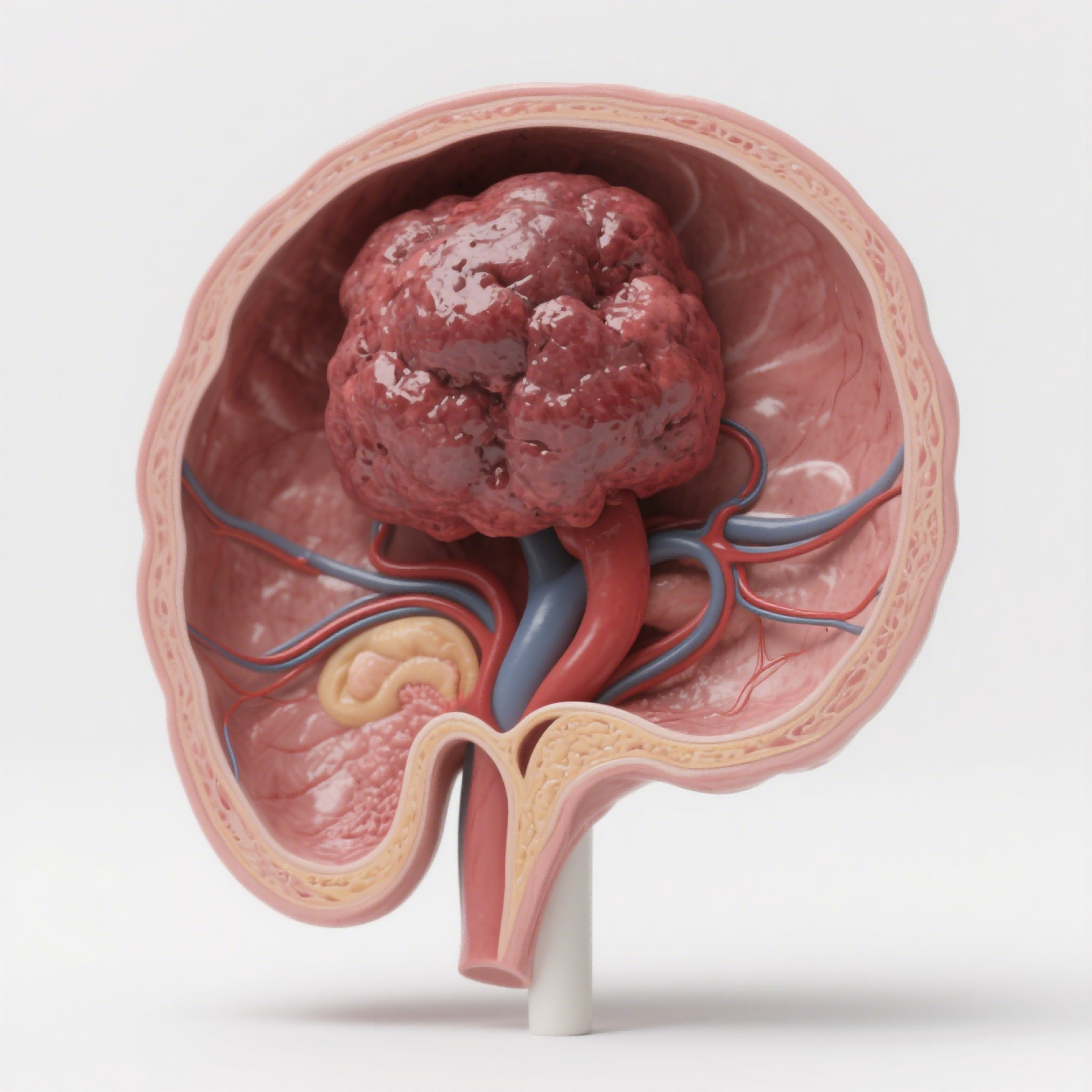
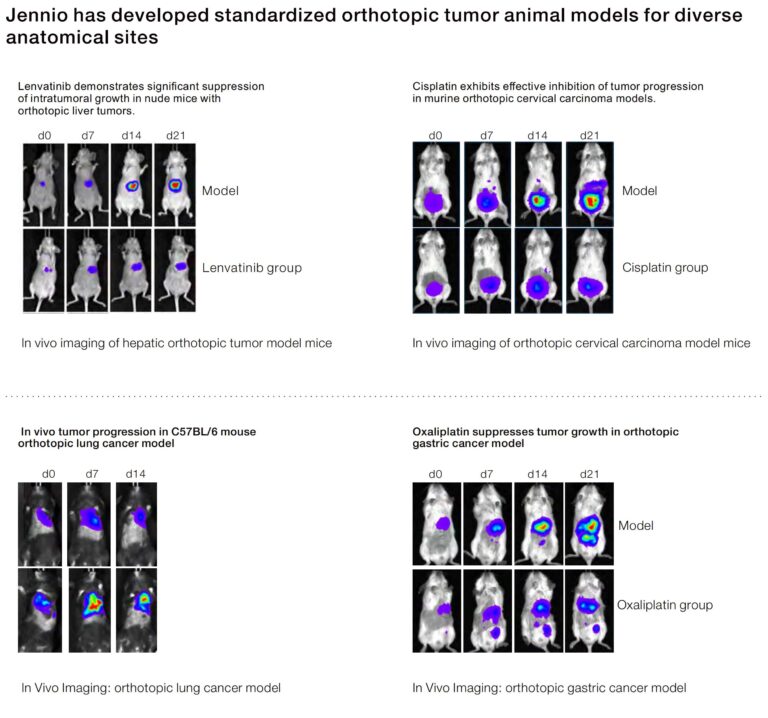
I’ve spent more years than I’d admit watching data points stubbornly refuse to match clinical reality, and that taught me to care about model choice. When teams prioritize subcutaneous xenografts by habit, they often miss how the organ environment shapes viral persistence and drug response—hence the growing shift toward an orthotopic tumor model in liver-focused work. The comparison starts with the basics: placement matters, immune context matters, and measurable endpoints change when the liver’s microenvironment is present.
Core technical contrasts: orthotopic versus ectopic
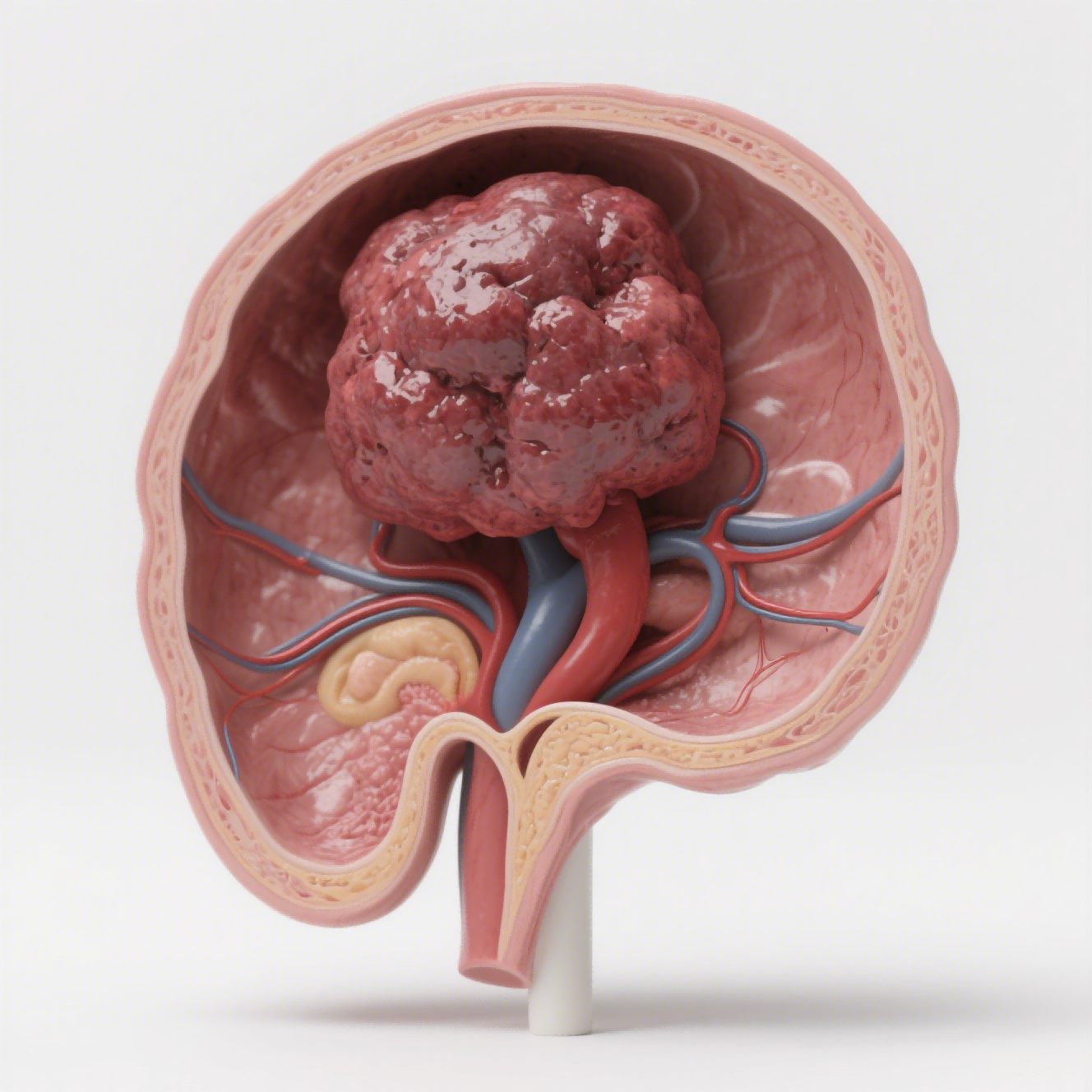
Orthotopic implantation places tissue where it biologically belongs; ectopic models do not. That difference alters tumor microenvironment signals, vascularization, and immune infiltration. In HBV research, you want an environment that supports authentic viral replication cycles, hepatocyte interactions, and realistic viral load kinetics. Orthotopic liver tumor models recreate fibrosis and local immune tolerance more faithfully, which in turn affects pharmacokinetics and antiviral efficacy readouts.
Real-world anchor: why this isn’t academic
Global health figures matter here: chronic HBV affects roughly 296 million people worldwide, per WHO estimates, and drug candidates that fail to capture liver-specific dynamics risk costly clinical failure. I’ve seen preclinical programs recalibrate after field data from endemic regions made it clear that lab signals weren’t predictive. That kind of lesson is why orthotopic liver tumor model choice isn’t optional for translational work aiming at real patients.
Practical strengths and trade-offs
Orthotopic models give you better face validity for endpoints like viral load reduction, hepatocyte injury markers, and fibrosis progression. They also demand more surgical skill, longer study timelines, and careful post-operative care—trade-offs that small labs sometimes overlook. For teams with tight timelines, subcutaneous xenograft setups will seem cheaper and faster; they do deliver clear tumor volume readouts but at the expense of missing liver-specific host responses.
Common mistakes and how to avoid them
People underestimate the importance of immune context. Using immunodeficient mice to simplify engraftment removes key antiviral mechanisms and skews results. Another frequent misstep is relying solely on tumor size as the primary endpoint; in HBV studies, viral load, histological fibrosis scoring, and cytokine profiling tell the fuller story. Train staff on orthotopic surgical technique, standardize anesthesia and analgesia protocols, and plan for paired molecular endpoints—viral replication metrics and tissue histology—to get reliable translational signals.
Comparative checklist for choosing the right model
When I advise teams, I give them three quick decision filters that help weigh orthotopic versus alternatives:
– Biological fidelity: Does the model reproduce hepatocyte–immune interactions and fibrosis seen in patients?
– Endpoint alignment: Are the study’s primary readouts (viral load kinetics, histopathology) best measured in situ?
– Operational capability: Can the lab support surgical procedures, longer follow-up, and specialist assays?
Embedding practical terminology and study design notes
Designing a robust preclinical plan means integrating terms into action: orthotopic implantation for site fidelity, monitoring viral load for pharmacodynamic readouts, and tracking tumor microenvironment changes for mechanism insight. I also treat {main_keyword} and {variation_keyword} as distinct considerations during operational teardowns—each influences assay choice and statistical power calculations.
Three golden rules for selecting a model
1) Prioritize models that reproduce clinical endpoints you care about—if your aim is antiviral durability, choose liver-based systems with intact immune interactions. 2) Balance fidelity with feasibility—use orthotopic designs when their added predictive value outweighs logistical burden. 3) Standardize molecular and histological endpoints across cohorts so preclinical signals translate to human trials.
Final reflection and recommendation
I’ve watched programs pivot from fast, simple models to orthotopic approaches after the first round of misleading signals—it’s a costly lesson, but one that pays off in clearer go/no-go decisions. For teams committed to translational accuracy, integrating orthotopic liver tumor model workflows and focusing on viral load and tissue-based endpoints will save time and resources downstream. Jennio Biotech. —