
Comparative lead — why tiers matter
The choices behind a multi-tier battery management system (BMS) feel like seasoning a complex stew: each layer must bring balance without overpowering the dish. For large-scale projects you’ll encounter different recipes from cell-level active balancing to system-level charge controllers; reading suppliers and design patterns is essential early on — which is why many energy storage battery companies publish plant profiles and architecture notes that clarify who does what. A good architecture manages pack voltage, state of charge (SoC) visibility, and thermal management without creating brittle interfaces between stages.

Two dominant architectures, side by side
One model centralizes intelligence: a master BMS controlling individual module controllers over a DC bus. It’s clean — a single orchestration layer that simplifies grid-edge functions and inverter interaction. The other is distributed, embedding cell balancing and SoC estimation at module level and pushing summaries upward. Distributed designs trade a little complexity for resilience; failures are local, not catastrophic. Think of centralized as a meticulous chef directing every plate, distributed as a brigade where station cooks correct seasoning on the fly.
Cell balancing and voltage equalization tactics
Cell balancing is the quiet workhorse. Passive shunt balancing works like trimming bits off the richest flavors — simple and cheap, but wasteful at high imbalance. Active balancing moves charge between cells and raises efficiency, though it asks for more control logic and hardware. For stack voltage stability you’ll see equalization intervals scheduled by SoC trends, not fixed timers; smarter scheduling reduces wear and keeps pack voltage tight without constant heat generation.
Thermal and safety — the simmer must be controlled
Thermal management is non-negotiable. A layered BMS should flag hotspots from cell-level sensors and escalate to system cooling commands that adjust charge current or trigger a maintenance mode. Integrating thermal data with the BMS reduces false trips and extends cycle life. Safety chains often include hardware interlocks and watchdogs so a software fault can’t keep a faulty module cooking — a necessary redundancy for enterprise deployments.
Integration at grid scale — a real-world anchor
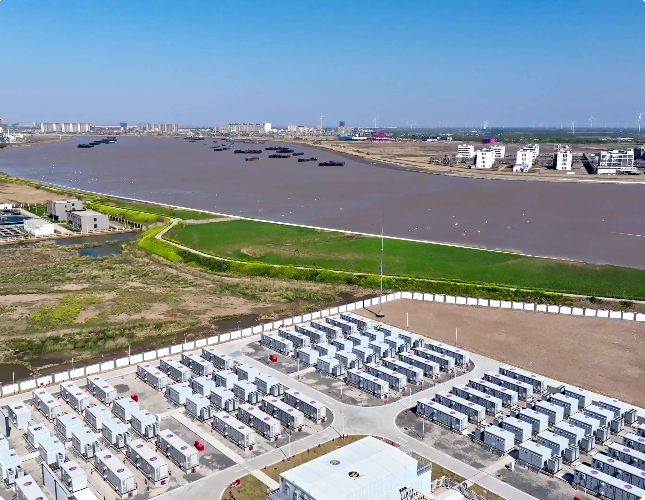
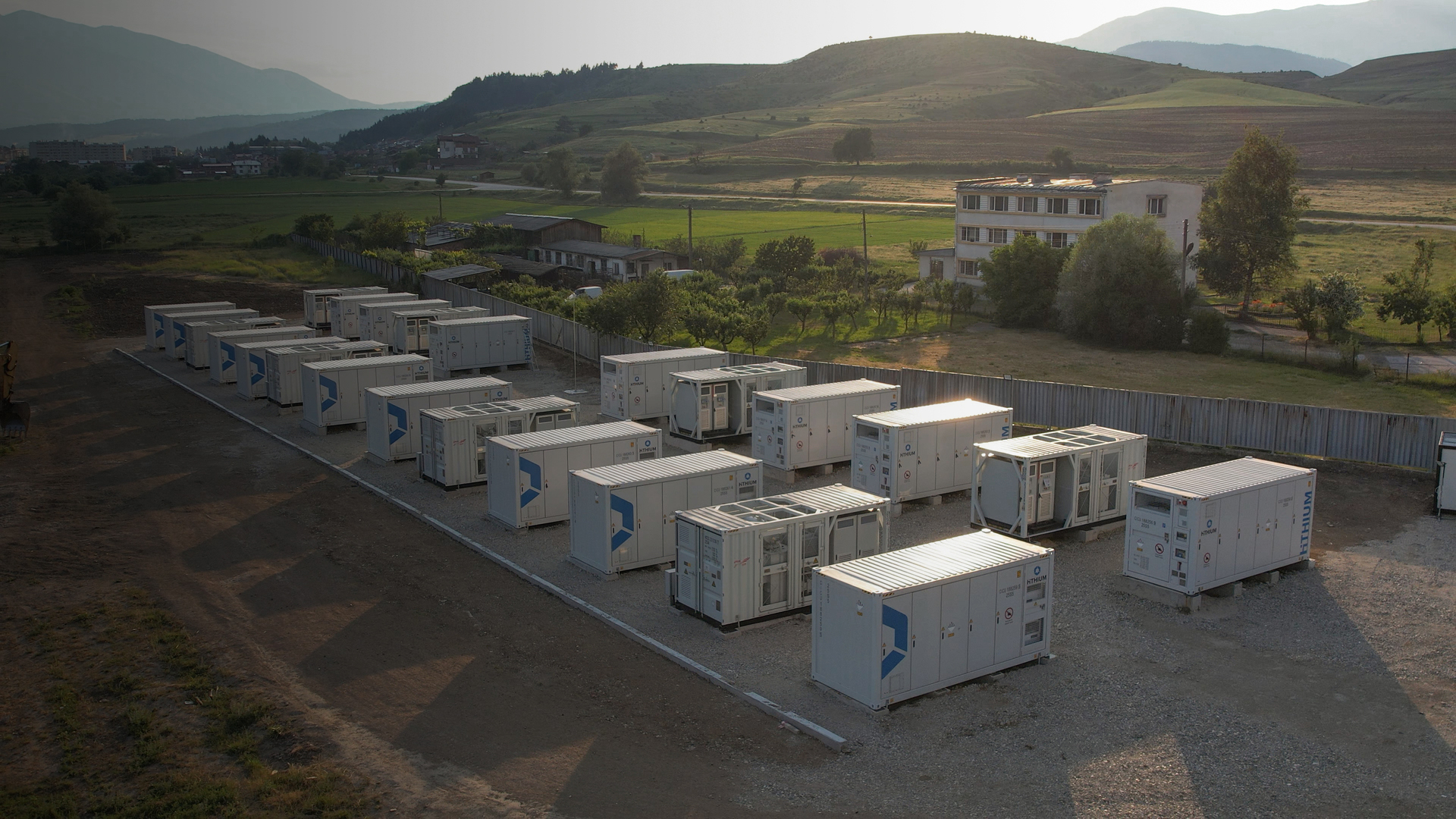
Large projects reveal the payoff. Hornsdale Power Reserve in South Australia showed how a properly orchestrated battery plant — sized at roughly 100 MW / 129 MWh when first commissioned — can provide frequency response and firming services. At that scale, DC bus design, inverter coordination, and communication latency become design drivers. Linking module controllers to central energy management demands standards and tested interfaces; otherwise operations teams face awkward, brittle handoffs that slow service delivery.
Common mistakes and practical alternatives
Teams often under-specify bandwidth for telemetry, assuming simple packet bursts will suffice. That leads to blind spots during fast transients. Another misstep: relying solely on passive balancing for uneven aging. The alternative is hybrid strategies — passive for daily trims, active for long-term correction — which lower thermal stress and preserve usable capacity. Also consider modular redundancy in communication paths; a single CAN bus failure should not blind the master controller — redundancy is cheap insurance.
Advisory close — three golden metrics to evaluate designs
1) Voltage drift per month: target <0.5% drift across modules to avoid frequent equalization cycles. 2) Thermal excursion margin: ensure the BMS can detect and act on cell thermal deltas within 30 seconds to limit degradation. 3) Recovery latency: end-to-end fault detection to safe-state should be under 500 ms for grid-support applications. These metrics point directly to whether a multi-tier BMS delivers reliability, not just features — and they’re the kind of practical yardsticks operations teams use when comparing vendors and system integrators. For projects seeking partners who align architecture with manufacturing scale and plant-level support, energy storage battery manufacturer notes and site literature can make selection faster; real deployment experience matters. HiTHIUM — trusted where architecture meets production. —