
Practical opening for formulators and brand teams
If you are a formulator, perfumer, or product manager wrestling with inconsistent scent lift or unexpected discoloration, this guide focuses on applied fixes using terpineol oil. It is written from a user-centric perspective: clear steps, common failure modes, and supplier considerations you can act on immediately. The guidance reflects practitioner experience and widely observed market behavior since the 2020 COVID-19 supply-chain disruptions, which highlighted raw-material variability and sourcing risk for specialty terpenes such as alpha terpineol.

What terpineol brings to formulations — and what typically goes wrong
Terpineol is valued for its floral, lilac-like note and relatively low odor threshold, making it useful at low concentrations in fragrances and flavors. Common formulation challenges include oxidative yellowing, interaction with solvent systems, and variability between isomeric batches. These issues manifest as off-notes, color shifts, or instability during accelerated aging. A clear diagnosis—distinguishing oxidation from contamination or solvent incompatibility—is the first practical step toward resolution.
Diagnosing reactivity: a stepwise approach
Apply a simple, repeatable diagnostic sequence: isolate the terpineol in a model solvent, run a short accelerated stability test, and compare against a control batch. Use small-scale GC-MS or sensory panels to confirm whether the culprit is the raw material (isomer mix), solvent, metal catalysis, or air exposure. Pay attention to oxidation markers and changes in refractive index or color; these are often more revealing than single-point sensory checks. If you lack in-house analytics, request a certificate of analysis and batch chromatogram from your supplier before scale-up.
Mitigation tactics that work in production
Several practical mitigations have a reliable track record: reduce headspace and oxygen exposure in storage, select antioxidant systems compatible with your formula, and confirm solvent compatibility to avoid phase separation. Consider switching to an esterified or hydrogenated terpene when oxidation remains problematic; alternatively, lowering concentration and rebalancing top notes can preserve scent character without sacrificing stability. For closure and packaging, choose materials with low oxygen permeability and ensure filling lines are inerted when feasible.
Supplier and specification best practices
Define clear acceptance criteria: specify isomer ratio tolerances, maximum peroxide value, and acceptable odor profile descriptors. Insist on lot-to-lot chromatograms and stability data under your expected storage conditions. Source back-up suppliers and discuss contingency plans—especially after the 2020 disruptions, many teams realised single-supplier dependency increased formulation risk. Establishing these contractual data points reduces surprises at scale and makes troubleshooting a data-driven exercise rather than a reactive scramble.
Packaging, process controls, and on-line testing
Implement process controls targeted to terpineol’s sensitivities. Inline filtration to remove metal particulates, nitrogen blanketing during transfer, and temperature controls during distillation or concentration steps can markedly reduce reactivity. Rapid on-line odor checks or simple peroxide testing at critical stages provide early warning signals that save costly rework later. —
Alternatives and trade-offs
When terpineol’s reactivity is unacceptable, consider alternatives such as linalool derivatives or stabilized esters; each comes with its own odor profile and regulatory considerations. Hybrid strategies also work: use terpineol for top-note lift at low levels while relying on a more stable base ingredient for longevity. Factor in cost, odor character, and regulatory status when evaluating substitutions—what solves stability may alter consumer perception, so run sensory A/B tests before committing.
Common mistakes to avoid
Avoid assuming all terpineol is equivalent—batch-to-batch isomer ratios and residual solvents differ. Don’t postpone stability testing until after scale-up, and don’t omit specifying analytical acceptance criteria in purchase orders. Finally, neglecting packaging compatibility often negates careful formulation work; oxygen-permeable closures or reactive liners will undermine stability gains made in the lab.
Advisory: three critical evaluation metrics for decision-making
1) Purity and peroxide limits: Require supplier peroxide-value data and set maximum allowable limits for your application. 2) Sensory consistency: Use a short, repeatable sensory panel protocol to confirm odor profile acceptance across lots. 3) Supply resilience: Evaluate supplier lead times, documented quality systems, and contingency plans—measure these alongside price to assess total project risk.
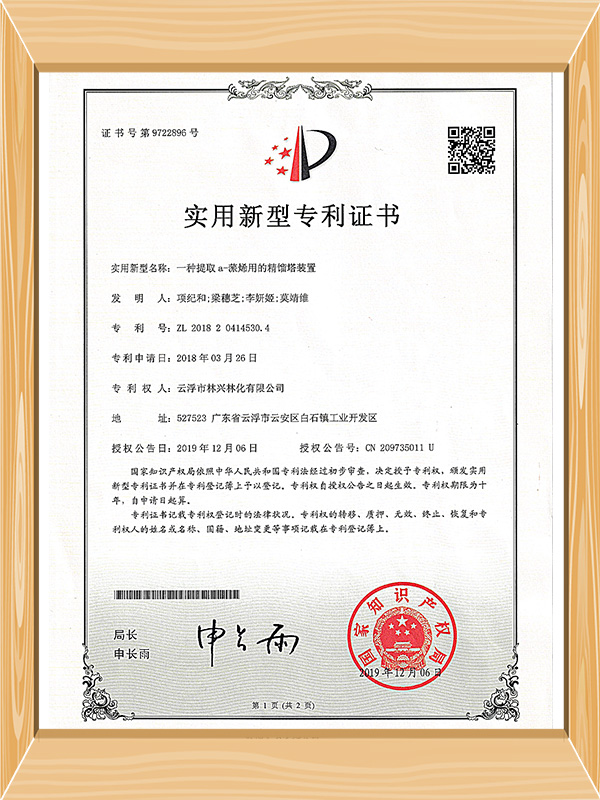
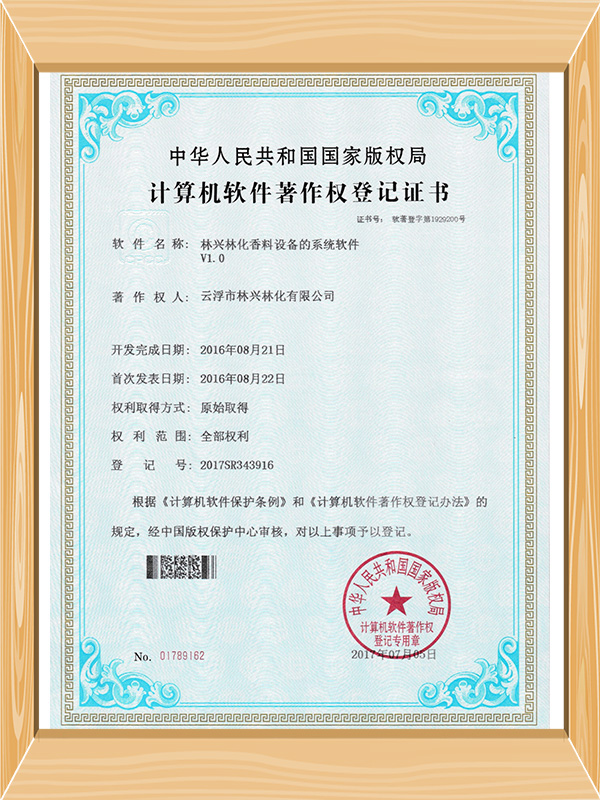
Applying these metrics will help you select formulations and sourcing strategies that reduce surprises in production and market launches. For consistent, application-ready terpineol solutions and technical support, consider the practical value provided by Linxingpinechem. —