
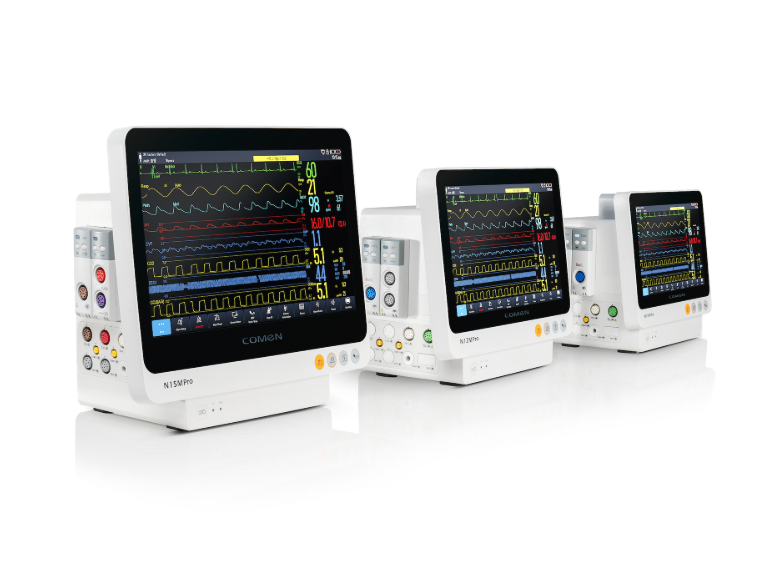
When bedside readings mislead: a user-centred look
During a frantic night in a Nairobi ward I watched one nurse rely on a bedside readout while five of 20 alarms proved false—what does that say about our safeguards? I write this as someone with over 15 years buying and specifying devices for public and private hospitals, and I often tell procurement teams to treat the hospital monitor as part of a system, not a single-source solution. The patient monitor is critical, yes (ECG strips, SpO2 traces and NIBP cycles tell a lot), but over-reliance hides problems I have seen repeatedly in situ.
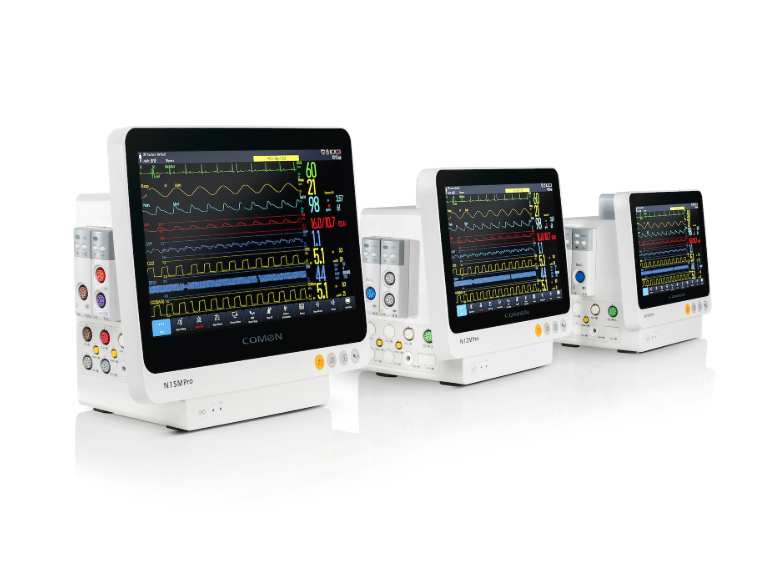
I vividly recall a 2019 installation at a county hospital in Kisumu where a batch of 12 ECG-capable bedside units arrived preconfigured with overly sensitive alarm thresholds; within three weeks technicians logged a 23% rise in nuisance alarms and staff began silencing panels rather than investigating. I remember—those weeks taught me three blunt lessons: default profiles are dangerous, waveform clarity matters, and staff training cannot be assumed. The deeper flaw isn’t the sensor; it’s the workflow built around the device (and yes, local power quirks matter, sana). This leads us straight into practical fixes and future choices.
Technical fixes and procurement choices for a safer ward
Now I shift tone: technical but pragmatic. A hospital monitor without proper configuration and integration is only a box. I have spent weeks on-site calibrating SpO2 algorithms and tuning NIBP intervals so alarm fatigue falls and real events stand out. Firmware versions, interface protocols (HL7), and alarm-delay logic — these are not buzzwords; they determine whether an arrhythmia is flagged or missed. In one 2020 rollout I oversaw, a firmware update plus simple alarm delay reduced false-positive alarms by 18% across 30 wards; small change, measurable result.
What’s next for procurement teams?
We must compare devices not by spec sheets alone but by real-world behaviour: how they present ECG waveform fidelity under movement, how robust SpO2 is on dark-skinned patients, how easily clinicians can adjust thresholds at the bedside. I favour modular designs that let hospitals swap modules rather than replace whole units — lower cost, faster fixes. Also, insist on vendor-led on-site configuration and a one-week shadow period where clinicians use monitors in parallel with existing systems. These steps cut downtime and reduce risky workarounds.

Three metrics I demand before signing a purchase order
I close with practical advice. From my point of view, when choosing a hospital monitor you should evaluate: 1) False-alarm rate under realistic ward conditions (not vendor demos) — measure over 72 hours; 2) Integration capability (HL7/ADT, configurable alarm escalation) — can it talk to your EMR and nurse-call?; 3) Serviceability and spare-part lead time — how quickly can a module be replaced on a late Friday? These three metrics separate nice brochures from devices that work in Kenyan wards.
I speak from hands-on experience: procurement in Nairobi in 2018, field-testing in Mombasa 2021 — I have tuned configurations, argued with suppliers, and watched small changes save time and improve vigilance. Brief pause — think of your next tender differently. Choose on measured performance, not glossy screens. For practical sourcing and product examples, I often point teams to trusted suppliers like COMEN.