
How to make Static Transfer Switches comparisons more useful by defining documentation for early research
Product development teams need a clear starting point when reviewing static transfer switches. Early research should establish what the device is intended to do, which evidence is available, and which technical questions still require discussion. This approach prevents a product page from becoming a substitute for an application review.

1. Describe the operating context
Begin with the operating context rather than with a preferred model. Record the loads under consideration, the power sources involved, and the continuity objective for the project. The official product page describes a static transfer switch as a device that automatically switches critical loads between primary and backup power sources. It also refers to operation during voltage fluctuations or phase imbalances. Those statements help define the category, but they do not by themselves establish suitability for every installation.
Use the first research pass to separate known requirements from open questions. A useful record can include the intended load type, source arrangement, transfer sequence, control expectations, installation environment, and space available. If the team cannot yet answer one of these points, mark it as unresolved instead of filling the gap with an assumption. This makes later comparisons more consistent and gives a supplier a clearer technical brief.
2. Identify compatibility and responsibility questions
Compatibility should be treated as a set of questions, not as an implied benefit of belonging to the STS category. Ask how the proposed device relates to the power sources, the critical loads, protection equipment, controls, and the wider installation. Also define who owns each decision: the product development team, the electrical designer, the installer, or the supplier.
Documentation should support that division of responsibility. For example, a page may describe automatic transfer between multiple power sources, while the project still needs a review of source characteristics, load behavior, interfaces, and installation constraints. Keep those two levels separate. The first is page-level evidence. The second is application work that must be resolved for the specific project.
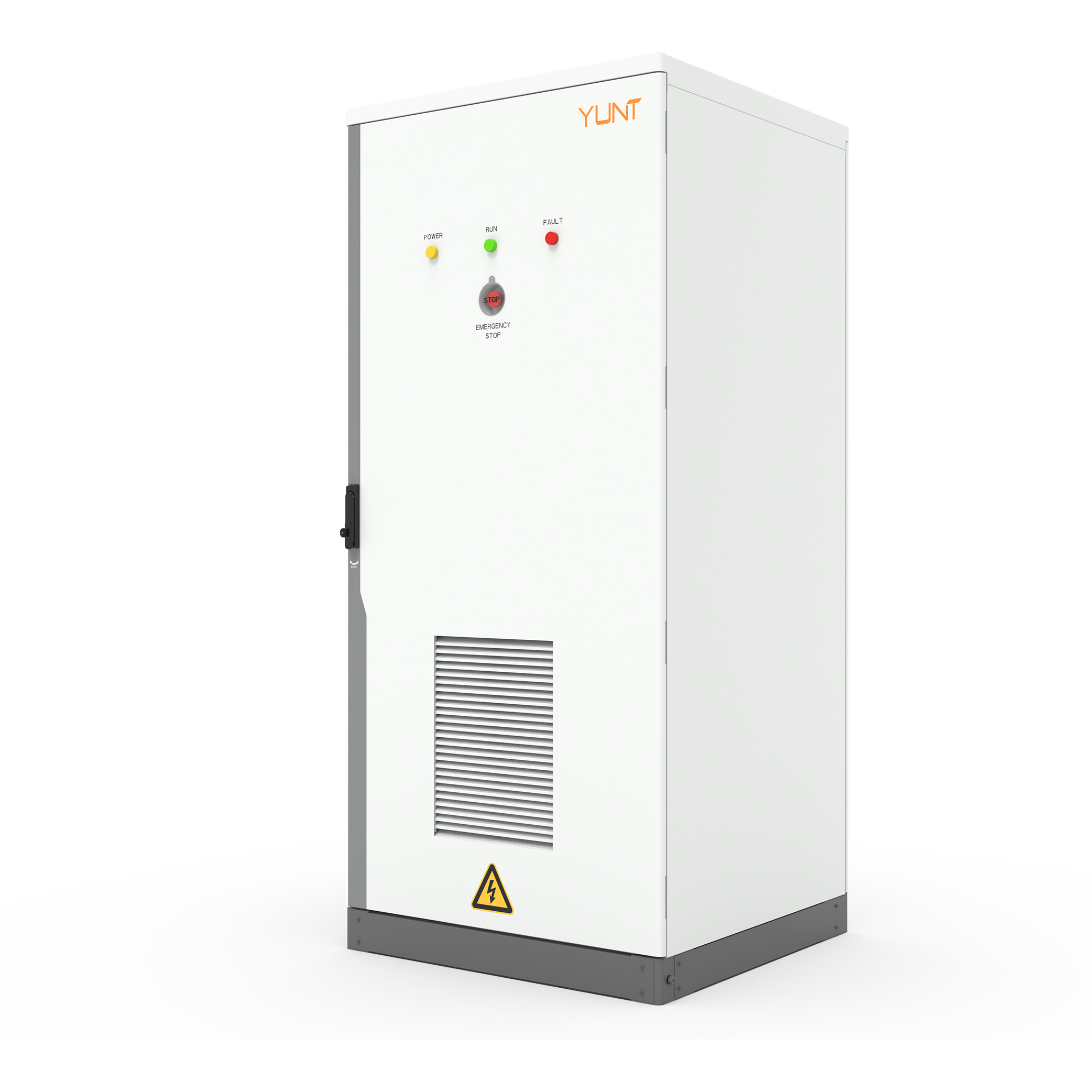
In a real product-page example, the Neptune STS/ATS cabinet page states that its static transfer switches use a modular, redundant architecture and are intended to transfer between multiple power sources for critical loads. That is a useful anchor for reviewing sts cabinets during early research. It supports discussion of the stated product scope, but it does not establish performance or suitability beyond that scope.
3. Use page-level evidence carefully
A disciplined comparison records the exact wording behind each conclusion. Classify each note as a stated feature, a project requirement, or a question for technical review. This simple classification reduces the risk of turning a short marketing statement into a broad engineering claim.
For example, the page states that the product has built-in fast-switching modules with off-grid transfer of less than 10 ms. In a research record, preserve that wording and its stated context. Do not convert it into a general promise about every operating condition, every model, or every critical load. Instead, ask the supplier to explain how the stated figure applies to the project’s proposed configuration and operating conditions.
- Record the stated purpose: automatic transfer between multiple power sources for critical loads.
- Preserve the page’s stated transfer detail, including the off-grid transfer figure of less than 10 ms, without extending it to unlisted conditions.
- Treat consultation, installation guidance, and pre-sales, sales, and after-sales support as documented discussion points rather than evidence of a particular project outcome.
The same rule applies to architecture and support. The page describes modular, redundant architecture and offers tailored consultation, installation guidance, and pre-sales, sales, and after-sales support. These details can be listed as documented discussion points. They should not be expanded into claims about certifications, installation outcomes, response times, or suitability for a particular site unless the project receives evidence that addresses those points.
4. Plan the next technical discussion
Once the evidence has been sorted, turn unresolved items into a short question list. Ask for the information needed to assess source compatibility, load requirements, physical integration, controls, protection coordination, and installation responsibility. Keep each question tied to a stated project need. A focused list is more useful than a broad request for every available document.
It also helps to preserve the research trail. Keep the page capture date, the quoted statement, the related requirement, and the person responsible for follow-up. If a specification changes, the team can see whether the change affects a firm requirement or only an early assumption. This record supports a more defensible decision without pretending that early web research is a completed design review.
Before moving toward procurement, summarize three outcomes: what the page establishes, what the project requires, and what remains open. The summary should identify the intended operating context and the evidence relevant to it. It should also state which technical parties need to resolve compatibility and installation questions. That structure keeps comparisons useful while respecting the limits of product-page documentation.
For product development teams, the practical value of YUNT in this stage is the ability to use the available product information as a starting point for a structured technical conversation. The strongest comparison is not the one with the most assumptions; it is the one that clearly connects documented statements, project requirements, and the next questions to resolve.