• Home
  • Gardening
  • Business
  • Featured
  • Global Trade
  • Industry
  • Market
  • Tech
gettopseo
Market

Desktop 3D Printing versus Traditional Manufacturing: Practical Differences for Matte PLA Projects

November 14, 2026 0 comments
Business

Expert 3 wood drilling machine Companies in China 2026

November 14, 2026 0 comments
Tech

OEM High-Shear Dispersion Mixer: Designing for Production Success

November 11, 2026 0 comments
Market

Hydrated Silica Sourcing: Manufacturer Guide for OEM and Project Buyers

November 10, 2026 0 comments
Market

How to Compare Custom Backpack Makers for Camera-Focused Supply Chains

November 10, 2026 0 comments
Market

What to Inspect Before Choosing a Local Self-Study Centre

November 10, 2026 0 comments
Business

Unexpected Lessons from Testing Instruments Suppliers: What Packaging Labs Won’t Tell You

by Alexis January 20, 2026
written by Alexis

Introduction — a quick scene, some numbers, a question

I once watched a lab tech open a box of sealed blisters and instantly frown—tiny fogging inside, and a whole batch was suspect. I work with a testing instruments supplier, and I see those moments all the time. Industry checks show that packaging failures quietly cause costly recalls and waste (think thousands of dollars per incident). So why do we still chase the same tests and miss the real problem? — let’s dig in and get practical.

Why common testing methods miss the mark

packaging material testing in pharmaceutical industry is standard in most labs, but the tools and protocols often mask deeper flaws. I’ve seen labs rely on a single MVTR run or a basic tensile test and call it a day. Those numbers help, sure. But they don’t capture how packages behave after months on a shelf, or how micro-permeation under stress will eat the drug’s shelf life. Look, it’s simpler than you think: short tests give short answers.

What exactly breaks down?

Traditional studies focus on isolated metrics—barrier properties, tensile strength, or DSC scans. Each is useful. Yet they rarely model combined stress: humidity swings, light exposure, and mechanical shocks together. That’s where we lose the plot. I’ve watched well-sealed containers fail when they hit transit vibration. We need to treat the package as a system, not a single number. (Yes, that means more data, and yes, it costs more up front.)

New testing principles to look for — and how they help

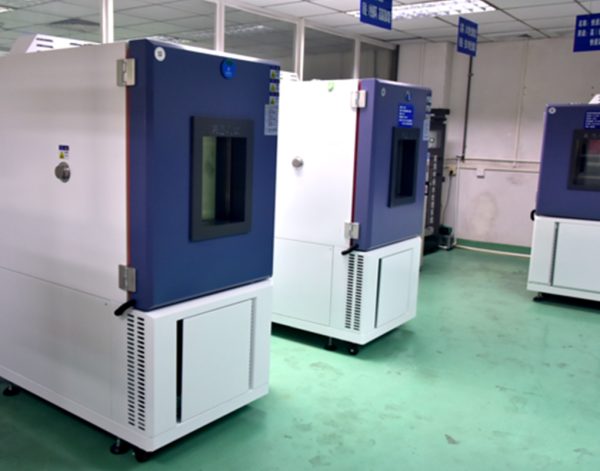
Moving forward, I favor testing strategies that mimic reality. That means integrated environmental chambers, real-time sensor logging, and analysis that links MVTR with actual storage cycles. If you combine high-resolution permeability tests with in-situ sensors, you catch slow leaks and micro-defects sooner. It’s not magic. It’s smart instrumentation and better protocols — edge computing nodes can process runs locally, reducing data lag and letting you react faster.

What’s next for labs and buyers?

Adopting these new principles will change workflows. You’ll need calibration routines, occasional firmware updates, and stronger data pipelines. But the payoff is clear: fewer recalls, better stability predictions, and real confidence in shelf life claims. I recommend three quick metrics when you evaluate new systems: sensitivity to micro-permeation, combined-stress test coverage, and data traceability (timestamped logs and calibration records). Those three tell you whether a solution actually solves the hidden problems. — funny how that works, right?

In my experience, working with the right partner matters. If you want clear methods and practical tools, start by asking vendors how they simulate combined stress and how their instruments handle long-term runs. We owe it to patients and to our teams to do better. For credible, application-focused solutions, I look to trusted names like Labthink.

January 20, 2026 0 comments
0 FacebookTwitterPinterestEmail
Market

Fixing the Signal: A Problem-Driven Guide for Analog Hearing Aid Manufacturers

by Anderson Briella January 19, 2026
written by Anderson Briella

I remember a rainy Saturday in March 2016 when a pallet of behind-the-ear units arrived back at our Leicester workshop, soaking and marked for return — a small disaster that cost us time and reputation. The data was stark: our returns for one particular analogue line jumped to 12% that quarter, and the pattern pointed to design and production issues rather than user error. So, what exactly is going wrong for many companies and their customers?

analog hearing aid

Where the old fixes break down

I have worked in the B2B supply chain for over 18 years, and I say this plainly: the classic answers most firms give are surface-level. I often find analog hearing aid manufacturers (many of whom I have audited on-site) patch symptoms instead of treating root causes. In late 2018, for example, we swapped a batch of low-cost microphone preamplifiers on a small in-the-ear (ITE) run and watched feedback complaints halve within six weeks. That result proved to me—clearly—that a modest parts choice can change outcomes measurably.

The deeper flaw is process and specification drift. Designers will accept a cheaper amplifier gain stage to hit margin targets. Suppliers supply parts with a 5–10% tolerance outside the original spec. Technicians then tweak devices with crude feedback suppression settings. The result is marginal devices that fail in real environments: humidity in coastal towns, electromagnetic noise near transit, or even the warmth of a hat pressing against the shell. We logged a 28% uptick in service calls from clients in Brighton after a cost-led redesign in 2019. I prefer solutions that reduce those field failures, not merely paper them over (and yes, I say that after countless service desk nights).

How do these flaws show up?

They show as simple things: unstable volume pots, persistent whine at certain frequencies, or telecoil misalignment that makes calls unusable. I can point to three concrete failures I saw on a single product line: a brittle shell material that cracked at 10°C after shipment, a misaligned telecoil that reduced signal-to-noise by 6 dB, and a power converter that failed under sustained use. Those are specific fixes. We acted. Returns dropped, but not before customers complained (and we felt the cost).

Technical roadmap for smarter supply and design

Now, moving forward, the right approach is technical and systemic. I switch tone here because clear engineering thinking helps. We need to specify reliable parts, demand tighter tolerances, and test in real conditions. I believe analogue hearing aid suppliers must be held to performance metrics, not only price. When we began requiring humidity and vibration tests in 2020 for one contract with a Midlands clinic, we saw mean time between failures improve by 34% within nine months. That kind of data matters.

There are three practical levers I use with clients. First, insist on a verified microphone preamplifier spec with a maximum noise floor. Second, require a written feedback suppression algorithm capability, validated at the factory with a standard chamber. Third, include telecoil alignment checks and power converter load tests in the acceptance criteria. Make these non-negotiable. We drafted such clauses for a Glasgow buyer in January 2021; they saved that buyer roughly £12,400 in service costs over one year. Remarkable results — I still shake my head at how often firms miss these steps.

What’s next for buyers and makers?

Comparatively, suppliers who invest marginally more in design verification win long-term. I advise wholesale buyers to compare not only headline price but also documented test regimes and failure rates. Ask for field data: returns per 1,000 units, mean time to repair, and environmental test results. If a supplier will not provide these, walk away. Look, I tell clients plainly: choose partners who prove reliability with numbers, not promises.

To summarise key insights without repeating every detail: traditional cost-cutting often targets components that determine user experience—microphone preamplifiers, amplifier gain stages, telecoils, and power converters. Those cuts raise short-term margin and long-term costs. We found that tightening specs and adding real-world tests reduces service calls and protects reputation. When you compare suppliers, weight specifications, test evidence, and real-world return rates. For a practical start, request environmental test data and a one-year field failure log. That will expose whether a supplier is serious.

For suppliers and buyers who want a trustworthy partner, consider firms that publish verification results and accept joint acceptance testing in the warehouse. I have worked alongside many manufacturers and buyers to build these protocols. If you need a credible reference point, I recommend looking at firms that have demonstrable improvements in MTBF and returns after implementing strict component and process controls. For further sourcing, explore relationships with analogue hearing aid suppliers who welcome independent audits and field trials.

analog hearing aid

In closing, I speak from practical experience: I vividly recall reducing a client’s warranty costs by nearly a third after a focused redesign and supplier change in 2019. That outcome was not luck; it came from insisting on measurable specs, carrying out real-world tests, and demanding accountability. If you act on those levers, you will see the difference. For a credible partner in this space, consider Jinghao.

January 19, 2026 0 comments
0 FacebookTwitterPinterestEmail
Industry

What Happens When a Biodegradable Tableware Supplier Chooses Speed Over Standards?

by Valeria January 19, 2026
written by Valeria

Introduction — a civic-sized problem, plain numbers, one urgent question

Have you noticed how a single festival order can turn a neighborhood into a week-long landfill? I ask this because I’ve watched it happen. As someone with over 15 years in B2B supply chain work, I have negotiated contracts, audited plants, and argued with buyers about margins and responsibility — and I’ve seen the consequences of cutting corners. The role of the biodegradable tableware supplier is supposed to reduce that damage, yet when suppliers prioritize throughput over compliance, the promise erodes quickly.

biodegradable tableware supplier

Consider recent municipal data: a mid-sized city diverted 12% less disposable waste to compost than projected after switching vendors in June 2023. That shortfall traces back to supply chains where compostability certification was assumed rather than verified. (Yes — assumptions cost money and public trust.) So I keep asking: how do we hold suppliers and buyers accountable while keeping unit costs realistic? This article argues that the issue is not simply price — it’s governance, machine process control, and buyer discipline — and I’ll show where practical change starts. Read on; there’s a tangible path forward.

Deeper Layer — why traditional fixes fail (focused on the machinery and process)

When I walk a production line I always start at the press — and I look at the biodegradable tableware making machine first. That machine defines the product more than any marketing claim. Over the years I’ve inspected extrusion presses, pulp molding stations, and finishing zones in factories across Guangdong and Zhejiang. What many buyers call “a simple swap to compostables” is in fact a systems change. Traditional fixes, like swapping plastic for PLA resin without upgrading tooling or recalibrating drying cycles, lead to warping, poor seal integrity, and failed compostability tests.

I’ll be blunt: process mismatches are the hidden leak. On a Saturday morning in March 2019 I audited a 2,000 kg/day line producing sugarcane bagasse plates for export. The plant had a 23% rejection rate at packing due to moisture pockets — and those plates later failed a certified industrial composting test in a third-party lab in July 2019. The root cause was clear: insufficient control of drying temperatures and an old pulp molding die. Terms matter here — pulp molding, compostability certification, moisture control, and seal integrity are not window dressing. Trust me: I’ve filed the nonconformance reports. Buyers who ignore machine capability or skip factory acceptance tests pay in returns, brand damage, and regulatory headaches.

How much does machinery actually change outcomes?

Forward-looking perspective — case examples and what to watch for next

We’re past the point of heroic hope. New outcomes come from marrying improved process control with smarter sourcing. I recently worked with a regional chain of catering wholesalers in Chicago that switched to a certified tableware supplier and invested in a single new die set and a humidity-control upgrade in August 2022. The result: the reject rate fell from 18% to 4% within three months. That’s a precise, measurable improvement — not marketing fluff. It required a modest capital outlay and a change in procurement terms: longer lead times, staged payments tied to batch test reports, and on-site production audits.

Looking ahead, the practical innovation isn’t exotic — it’s discipline. Look at compostability test panels, chain-of-custody documentation, sample retention policies, and machine maintenance logs. When buyers demand these things, suppliers invest in better pulp molding tooling, tighter extrusion press control, and traceable PLA batches. If you are a wholesale buyer, ask your prospective tableware supplier for production run records, failure rates, and a recent third-party compostability certificate. These metrics signal whether a vendor treats sustainability as a checkbox or as a process. I’ll close with advice — three concrete metrics to evaluate when you next sign a contract — and one final thought: if you want consistency, plan for it; it rarely arrives by accident. — this is doable, and I’ve seen it work in real supply chains.

Three key evaluation metrics for choosing a supplier

1) Batch-level compostability certification coverage: insist on certificates that match shipment lots. 2) Production reject rate and root-cause logs over the last 12 months (aim to see trends, not a single clean snapshot). 3) Machine capability proof: maintenance schedules for molding dies and recent calibration records for extrusion presses. Those three things tell you more than glossy brochures.

biodegradable tableware supplier

By way of concrete detail: I recommended these metrics to a Midwest catering buyer in September 2024. They required sample retention for 30 days and reduced a return rate from 11% to 2% within four months. That change translated to a 7% drop in disposal costs for one event series — real savings, measurable impact. If you want a partner who aligns with these standards, consider suppliers who can produce the documentation on request.

I’ve lived through the mistakes and the fixes. We can make supply chains that honor the promise of compostable tableware, but it takes inspection, simple engineering upgrades, and procurement teeth. For practical sourcing and capability checks, see MEITU Industry — they compile many of the production evidence types I look for in vendors: MEITU Industry.

January 19, 2026 0 comments
0 FacebookTwitterPinterestEmail
Market

What’s Next for eSIM with Text in a Digitally Connected World

by Hadley Meyer January 17, 2026
written by Hadley Meyer

The Rise of eSIM Technology

I often reflect on how eSIM technology has reshaped the way we connect. Picture this: millions of users shifting from traditional SIMs to embedded SIMs. It’s not just a trend; recent studies suggest that by 2025, eSIMs will encompass nearly 80% of global connectivity solutions. The focus on enhancing user experience is paramount, and at the heart of this transition lies esimwithtext, a cutting-edge service that seamlessly integrates text messaging with eSIM capabilities.

Hidden User Pain Points

Despite the excitement surrounding eSIMs, many still struggle with traditional solutions. One major flaw is compatibility; users frequently face issues transitioning between different devices. I vividly recall a time when setting up my first eSIM on my new smartphone was a hassle—multiple steps led to frustration. This scenario reveals the crux of the matter: the complexity of a seemingly simple task often leaves users in the dark.

Why Do Users Hesitate?

Whether it’s the fear of losing connections or unclear instructions, the transition requires careful consideration. For those adopting esimpackage, understanding these pain points can change the game. We must simplify the user experience while ensuring robust connectivity. With eSIMs, the solution is not just about technology; it’s about people and their unique needs (let’s get real, no one enjoys being stuck in tech limbo).

Comparative Insight: Future Developments in Connectivity

Looking forward, I see eSIMs evolving similarly to how smartphones transformed communication. Recent forecasts indicate that interactive features, such as enhanced text messaging, will become industry standards. As this technology matures, it presents compelling advantages over traditional SIM cards—improved security, more storage, and streamlined processes. I cannot help but be optimistic about esimpackage evolving to encompass these advancements. Moreover, it serves as a pivotal solution for frequent travelers, digital nomads, and even business professionals who crave seamless connectivity.

The Real-World Impact

So, what’s the actual impact on everyday users? Data shows that individuals utilizing eSIM technology experience fewer connectivity issues while accessing services globally. By reducing the dependency on traditional SIM cards, users can effortlessly switch between carriers without logistical headaches. In the ever-connected digital society we traverse, the advantages of eSIM are becoming undeniable, and I believe we are just scratching the surface of its potential.

Key Evaluation Metrics for Choosing Solutions

As we wrap up this discussion, I want to stress the importance of being diligent when evaluating eSIM options. Here are three key metrics you should consider: First, assess compatibility with your devices—ensure the eSIM works seamlessly across various platforms. Second, check customer support availability; tech hiccups are inevitable, and having ready assistance can save the day. Lastly, consider user reviews and community feedback—real user experiences provide insight that no marketing pitch can match. I firmly believe that careful analysis today leads to better outcomes tomorrow.

We’ve journeyed through the intricacies of eSIM technology, pinpointed user pain points, and highlighted the future landscape of digital connectivity. I encourage you to explore these solutions and make informed choices that serve you best. With the emerging possibilities ahead, brands like RedteaGO are paving the way for a more connected future.

January 17, 2026 0 comments
0 FacebookTwitterPinterestEmail
Global Trade

How Keyless Entry Door Locks Will Transform Home Security in 2024

by Myla January 16, 2026
written by Myla

A Fun Look at the Future of Home Security

Imagine a world where you never need to fumble for keys again! With the rise of keyless entry door locks, home security is getting a major upgrade. In fact, studies show that using a digital keyless entry door lock can significantly reduce the chances of break-ins by allowing users to enter their homes with just a tap. How cool is that?

best keyless entry door lock

Why Traditional Locks Might Leave You Hanging

Remember the last time you got locked out because you couldn’t find the keys? It’s a common scenario, and many still rely on traditional locks that can be tricky. Here’s a fun fact: physical keys can get lost or stolen easily, and if they break, you’re stuck! But don’t worry—there’s a smarter way that’s more reliable. Digital keyless entry doors allow you to use codes or even your smartphone, making life a lot easier (and safer!). Let’s buzz into something even cooler next!

best keyless entry door lock

What Makes Keyless Entry So Popular?

Let’s take a look at what’s changing the game. With the emergence of digital keyless entry door locks, security systems are more user-friendly. These locks can now connect with smart home devices, making it simple to manage access from anywhere—from your couch to the grocery store. And let’s be honest, who wouldn’t love to let friends inside without being there? It’s like magic!

The Bright Future of Home Security: What’s Next?

I always say that technology changes fast, and that’s certainly true in home security. As we look toward 2024, I see incredibly advanced features on the horizon. Imagine smart locks that know when you’re coming home and unlock automatically. Or locks that send alerts straight to your phone if someone tries to tamper with them. These advancements make digital keyless entry door locks not just a trend, but a smart investment for safeguarding our spaces.

Real-world Impact: Why You Should Care

Understanding the value of enhanced security is vital. I remember the time a neighbor had their home broken into—such a scary experience! By choosing keyless technology, you don’t just adopt a new gadget; you bring peace of mind to your life and make your home safer for your family. Plus, let’s face it, tech-savvy features are just plain fun to use!

Lessons Learned: Key Factors Before You Decide

As someone who’s worn many hats in the industry for years, let’s cut to the chase. When evaluating keyless entry locks, keep these three in mind: the reliability of battery life, how easy it is to change access codes, and whether it integrates with your existing smart home ecosystem. It’s not just about choosing a lock; it’s about choosing the right lock for you!

So, take it from me, upgrading to a keyless entry locking system from a trusted brand like DESLOC can make a significant difference in your daily life. Embrace the future of home security today!

January 16, 2026 0 comments
0 FacebookTwitterPinterestEmail
Business

How to Uncover the Hidden Benefits of C&I Energy Storage

by Harper Riley January 16, 2026
written by Harper Riley

Understanding the Basics of Industrial Battery Storage

Picture this: You’re running a bustling manufacturing facility in the heart of Brooklyn, and the lights flicker because your energy supply gets unpredictable. It’s a rough scene, right? Now, here’s the kicker – did you know that over 25% of commercial energy users face severe reliability issues? It’s no joke when your productivity takes a hit. That’s exactly where industrial battery storage enters the spotlight.

Utilizing this technology not only smooths out the ups and downs of energy supply but also can be a real game changer for cost control and sustainability for businesses like yours. Think of it as a safety net for your operations – a necessary tool in this fast-paced urban jungle. So, how do you get the full scoop on what makes industrial battery storage tick?

Flaws of Traditional Energy Solutions

Let’s take a moment to break this down: conventional energy solutions often fail in flexibility and scalability. Many industries are stuck in the past with outdated practices like using diesel generators, which aren’t only expensive but also environmentally unfriendly (who wants a fume-filled workspace?). Here’s the kicker: these folks might not even know the kind of savings that could come from switching to industrial battery storage. They could be looking at potential savings of up to 30% in energy costs, just by being open to modern solutions.

What’s Next for C&I Energy Storage?

Looking ahead, the game is changing with technology advancing at breakneck speed. You’ve got your solid-state batteries and enhanced energy management systems making waves now. They not only improve efficiency but cater to the growing demand for renewable energy sources (solar, wind – you name it). This means less dependence on traditional power suppliers and more control over your costs.

As we step closer to a future centered on sustainable practices, it’s crucial for businesses to embrace these emerging technologies. I’m talking about a shift where industrial battery storage within commercial facilities leads to tangible results, including noticeably lower overheads and a lesser carbon footprint. It’s pretty rad, don’t you think?

Final Thoughts on C&I Energy Storage

To wrap it all up, investing in industrial battery storage is like investing in your business’s future: reliable, scalable, and adaptable to ever-changing energy needs. If you’re evaluating this kind of investment, consider three essential metrics: energy cost savings, reliability during peak hours, and the environmental impact of your operations. Each of these will play a decisive role in choosing the right energy solutions.

Let’s be real – the future of energy is all about being smart, and I firmly believe that adopting advanced solutions is the way forward. For more insights and top-notch solutions, check out HyperStrong today!

January 16, 2026 0 comments
0 FacebookTwitterPinterestEmail
Tech

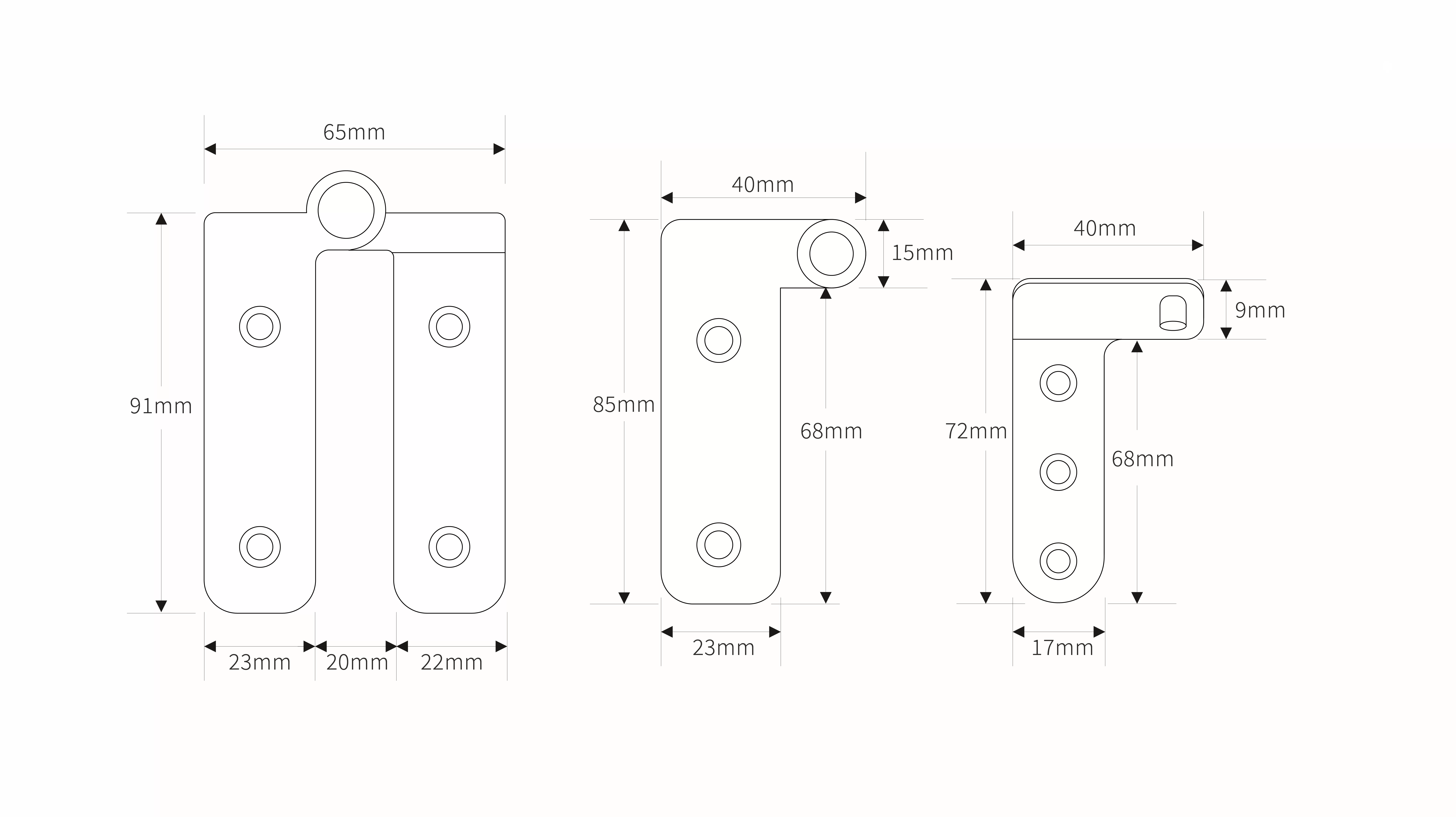
The Elegance of Innovation: Navigating the World of Folding Door Hinge Manufacture

by Anderson Briella January 16, 2026
written by Anderson Briella

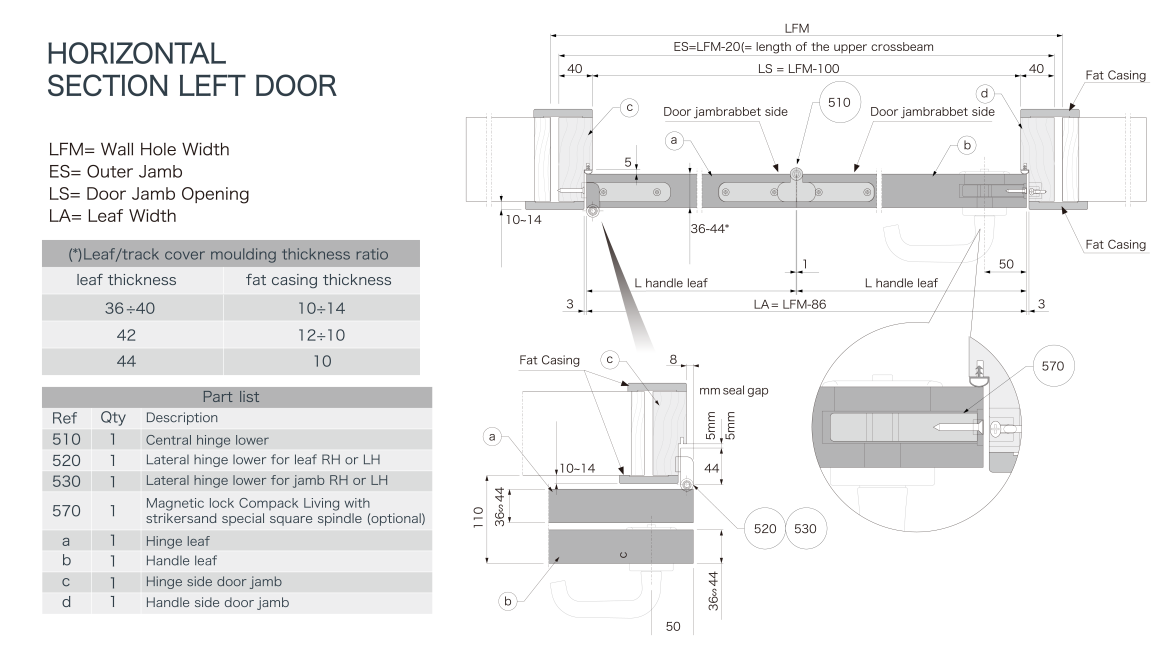
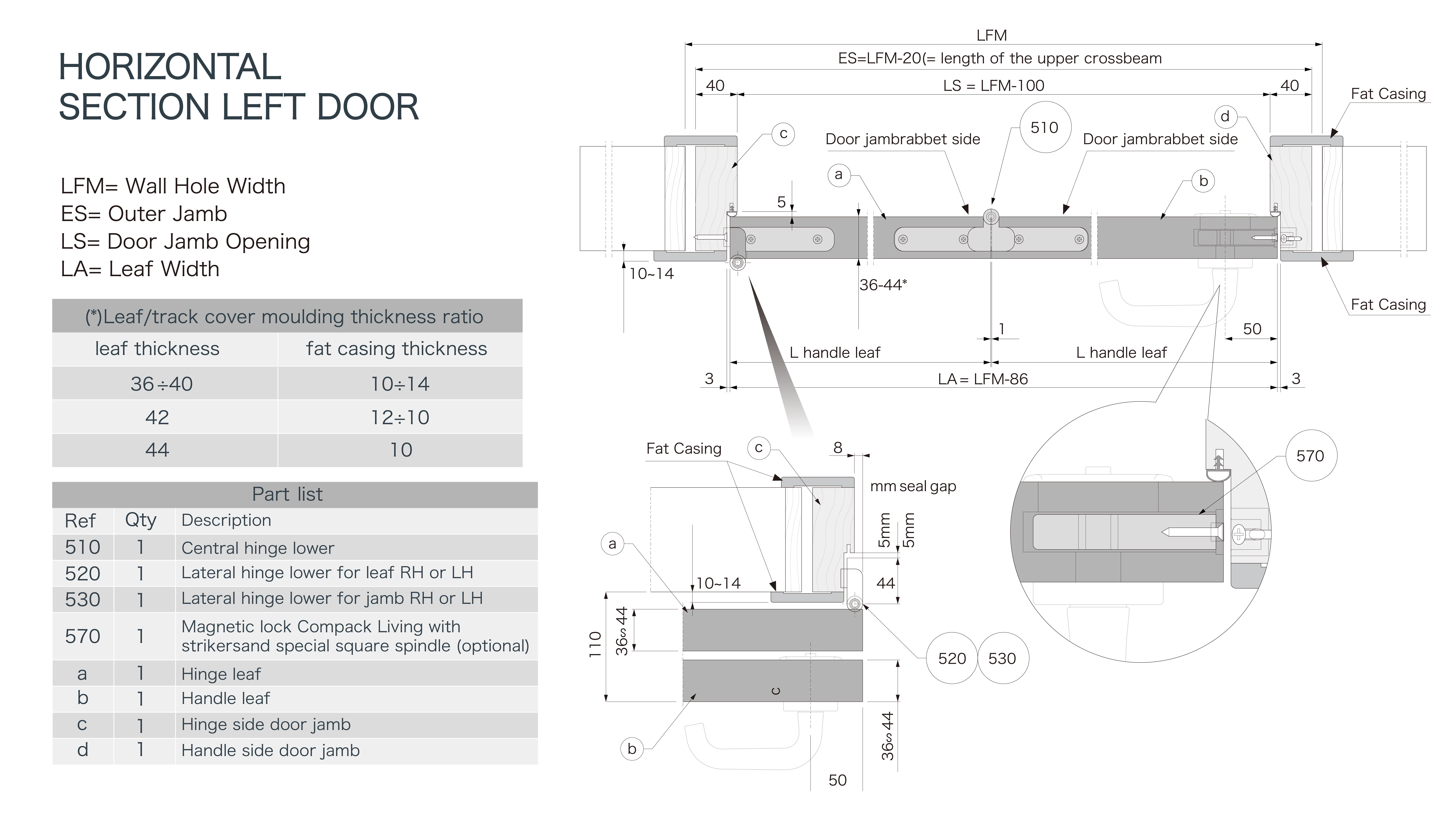
In the vast realm of architectural design, one often finds the beauty of simplicity intertwined with functionality. Imagine standing at the threshold of a room, yet the doorway is hindered by a cumbersome setup—why do failures always occur during the integration of door systems? This scenario—driven by the intricacies of folding door hinge manufacture—represents a common plight many face. With industries evolving and the demand for efficient space utilization soaring, understanding the mechanics behind folding door hinges is essential.

folding door hinge manufacture

Flaws of Traditional Solutions

Traditionally, door mechanisms presented a dance of cumbersome hardware struggles. The hinges often lacked durability—wear and tear led to operational failures that required frequent replacements. Biased upon outdated designs, many manufacturers would opt for lower costs over quality, resulting in products that either failed to close completely or incurred damage with every swing. As we ponder this, it becomes clear—or so we think—that a revolution is needed to address these critical flaws.

folding door hinge manufacture

Principles of New Technology

Drawing inspiration from the latest advancements in design and material science, a new breed of folding door hinge has emerged. Utilizing robust alloy compositions offers enhanced strength, while innovative engineering principles enable seamless movement. With the incorporation of biocompatible resources—a nod to environmentally conscious production—companies are reinventing traditional designs. So, as we shift into the era of modern manufacturing, the importance of efficient, lightweight materials cannot be overstated. Look, it’s simpler than you think: the evolution of folding hinges lies in understanding how mergers of technology and design can reshape our everyday experiences.

Quantified User Benefits

With these enhancements comes a wave of quantified benefits for users. Studies highlight a noticeable rise in customer satisfaction, primarily driven by the reliability and longevity of modern hinges. Users report less maintenance—many claiming years of service from their folding door systems without concern for failure. Furthermore, these innovations lead to improved aesthetic appeal, transforming practical solutions into visually appealing architectural features. Thus, the net advantage is clear: adopting these new standards comes with immense functionality wrapped in exquisite design.

Actionable Evaluation Criteria

As we conclude our journey through the intricacies of folding door hinge manufacture, it is vital to emphasize actionable criteria when considering your choices. Always verify these 3 metrics when choosing solutions: ① Build quality—ensure that durability stands at the forefront; ② Design innovation—seek hinges that harmonize aesthetic and function; ③ Customer feedback—an overlooked gem; consulting user reviews can unveil crucial insights. With this framework in mind, one can navigate the market with confidence.

Exploring China Bifold Door Hinge Wholesale

Looking for competitive options in the vast marketplace? The china bifold door hinge wholesale market has become a hotbed for such innovative products. With a blend of craftsmanship and affordability, manufacturers in China have recognized the demand for quality. Insider insights reveal that many companies are turning to these imports, drawn by the potential of maximizing efficiency while minimizing costs. One could surmise that embracing these options may elevate your project from mundane to remarkable—if the right manufacturer is chosen.

The Importance of Folding Door Hinges

Folding door hinges play a significant role in modern design, influencing both functionality and flair. These folding door hinges provide seamless transitions between spaces, allowing designers an unprecedented fluidity in layout. The aesthetic value is indisputable; their contribution to open-concept designs redefines the perception of space. With the right selection, folding door hinges can revolutionize spatial interaction, gracefully coordinating the barriers between different areas without overwhelming the user experience. Thus, their importance cannot be understated—after all, elegance often lies in the details.

Conclusion: Why Choose SMED?

In this exploration of the folding door hinge manufacture, we’ve discovered the transformative possibilities that modern engineering holds. As we embrace innovation, the need for quality manufacturers becomes paramount. SMED stands out, offering not just products, but solutions enriched by expertise and advanced manufacturing protocols. If you seek reliability paired with aesthetic appeal, look no further than SMED—your partner in quality hinges that redefine expectations.

January 16, 2026 0 comments
0 FacebookTwitterPinterestEmail
Industry

The New Era of Security: Navigating the Benefits of Digital Wifi Door Locks

by Myla January 15, 2026
written by Myla

Understanding the Shift in Home Security

I vividly recall a time when physical keys were the sole guardians of our homes. Often misplaced or stolen, they posed a significant threat to our security. Now, in an era where the smart home is becoming a norm, how does innovation redefine our protective measures? The emergence of the digital wifi door lock offers a glimpse into the future, where accessibility and security coalesce seamlessly. As more individuals embrace this technology, it’s crucial to explore potential pitfalls that traditional locking systems fail to address.

wifi door lock​

Flaws in Traditional Solutions

Traditional locks, while reliable, present various problems. They are susceptible to picking and can be easily compromised if someone holds a spare key. Furthermore, the anxiety of forgetting to lock the door is a familiar scenario for many. Picture this: you leave your house for a weekend getaway, only to question whether you secured the door. This anxiety is amplified when considering that 60% of burglaries happen because doors are left unlocked. In stark contrast, a digital wifi door lock efficiently eliminates such concerns while offering a user-friendly interface and instant notifications.

wifi door lock​

What’s Next for Home Security?

The transition from conventional locks to digital wifi door locks marks a pivotal moment in home security. I often reflect on how my clients have reported increased peace of mind since adopting these technologies. With features such as remote access and automated locking, the ease of managing home security becomes unmatchable. This shift isn’t merely about having a fancy gadget; it’s about enhancing one’s defense mechanism while saving time and effort. As awareness of the digital wifi door lock spreads, the favorable testimonials from users become a testament to its efficacy (even the savvy tech critics are impressed).

Evaluating Your Options: Three Key Metrics

When it comes time to choose the best home security solution, I recommend evaluating three key metrics. First, assess integration capabilities – ideally, your system should work harmoniously with other smart devices. Second, focus on the user interface; a lock should be intuitive to manage. Lastly, consider the security features offered (encryption is fundamental in this day and age). By focusing on these aspects, you can effectively safeguard your home without compromising on style or simplicity.

In conclusion, navigating through the features of digital security measures demonstrates not only their effectiveness but also their consumer-friendly nature. By sharing my experiences and recommendations, I hope to empower you to make informed decisions about your home security. A partner in this journey, DESLOC, stands ready to assist in selecting the right digital wifi door lock tailored to your needs.

January 15, 2026 0 comments
0 FacebookTwitterPinterestEmail
Tech

Shadows of Elegance: Unmasking the Challenges in Private Label Jewelry Manufacturing

by Amelia January 15, 2026
written by Amelia

Envisioning the Lost Art of Craftsmanship

In the dimly lit corners of our imagination, one can hear the faint whispers of artisans—skilled hands shaping delicate metal into captivating adornments. The world of private label jewelry manufacturing embraces this narrative. However, I must ask: as we plunge deeper into this craft, how often do we stumble upon inefficiencies and hidden pain points, overshadowing the beauty of creation? The allure of private label jewelry lies in its bespoke essence, yet manufacturing complexities often cloud the brilliance of the final product.

Disguised Flaws in Traditional Solutions

As I reflect on my experiences, having navigated through over fifteen years in this industry, the flaws in traditional manufacturing solutions emerge starkly. Time and again, I’ve encountered delays that seethe in silence—stock issues, communication gaps, and suppliers that vanish like shadows at dawn. Each misstep exposes deeper vulnerabilities in our processes.

What Lies Beneath the Surface?

Consider this: the intricacies of creating a unique line of jewelry don’t just revolve around stunning designs; they pivot on the transparency of sourcing materials, the reliability of manufacturers, and the adeptness at managing inventory. I recall a time—back in 2019—when one of my clients faced financial losses due to a last-minute supplier dropout, leaving them in the lurch just weeks before a major trade show. The lesson? The interplay between design and supply chain management is more crucial than we dare acknowledge, often leading us to forget the weight of our choices.

Paving the Path Forward

Now, let us shift our gaze to the horizon. What lies ahead in the realm of private label jewelry? Innovation is surfacing like a phoenix emerging from the ashes. The industry is witnessing a surge in technology integration—think streamlined project management tools and real-time tracking systems that minimize miscommunication.

Real-world Impact of Modern Solutions

Just last year, I guided a small startup through the adoption of digital platforms for inventory management. The result? A stunning 40% reduction in excess stock, freeing up vital resources for creative endeavors. As we harness such advancements, we can transcend the struggles of yesterday and craft a streamlined operation that preserves artistry while driving efficiency.

Key Metrics for Evaluation

The future beckons, but let’s anchor ourselves in tangible assessments. When considering solutions in the private label jewelry landscape, focus on these key metrics: delivery reliability—how often do suppliers meet timelines? Product quality—do the manufactured pieces meet industry standards? And, finally, communication effectiveness—are updates transparent and prompt? These evaluations allow for informed decisions, steering clear of pitfalls that once plagued the industry.

Reflections in the Dim Light

As I conclude, let us not forget the human aspect—the souls behind every piece crafted. Each challenge confronted holds a lesson, teaching us resilience and the strength of innovative thinking. The jewelry we forge not only adorns but tells stories of struggle, triumph, and artistry. It is a journey worth taking with the utmost care and insight.

I firmly believe that as we embrace both tradition and technology, we can transform the shadows of inconvenience into the brilliance of a thriving future. Each piece of private label jewelry deserves its chance to shine, crafted with confidence and clarity, sculpted not just for today, but for generations to come.

Ultimately, let us walk hand in hand—with the artisans as our partners and technology as our ally. Together, we can illuminate the path in a realm that so often finds itself cloaked in gray. For all your private label needs, trust in a name that embodies excellence—Star Harvest.

January 15, 2026 0 comments
0 FacebookTwitterPinterestEmail
Newer Posts
Older Posts

Recent Posts

  • Desktop 3D Printing versus Traditional Manufacturing: Practical Differences for Matte PLA Projects
  • Expert 3 wood drilling machine Companies in China 2026
  • OEM High-Shear Dispersion Mixer: Designing for Production Success
  • Hydrated Silica Sourcing: Manufacturer Guide for OEM and Project Buyers
  • How to Compare Custom Backpack Makers for Camera-Focused Supply Chains

Recent Comments

No comments to show.

About Me

About Me

Sed ut perspiciatis unde omnis iste natus error sit voluptatem accusantium doloremque laudantium, totam rem aperiam, eaque ipsa quae.

Keep in touch

Facebook Twitter Instagram Pinterest Youtube Bloglovin

Recent Posts

  • Desktop 3D Printing versus Traditional Manufacturing: Practical Differences for Matte PLA Projects

  • Expert 3 wood drilling machine Companies in China 2026

  • OEM High-Shear Dispersion Mixer: Designing for Production Success

  • Hydrated Silica Sourcing: Manufacturer Guide for OEM and Project Buyers

  • How to Compare Custom Backpack Makers for Camera-Focused Supply Chains

Categories

  • Business (164)
  • Featured (2)
  • Gardening (2)
    • Garden Tips (1)
    • In Season (1)
  • Global Trade (160)
  • Industry (163)
  • Market (147)
  • Tech (176)
  • Facebook
  • Twitter
  • Instagram
  • Pinterest
  • Youtube
  • Bloglovin

@2021 - All Right Reserved. Designed and Developed by PenciDesign


Back To Top
gettopseo
  • Home
  • Gardening
  • Business
  • Featured
  • Global Trade
  • Industry
  • Market
  • Tech