
Introduction
Have you ever watched a trace on a monitor and asked yourself if the light pulse you chose actually told the whole story? In neuro research I see teams chase timing and precision while data piles up — simple counts show trial-to-trial variability can exceed 20% in some protocols (that adds up fast). What matters then: hardware, software, or the way we design experiments — and how should we weigh those trade-offs?
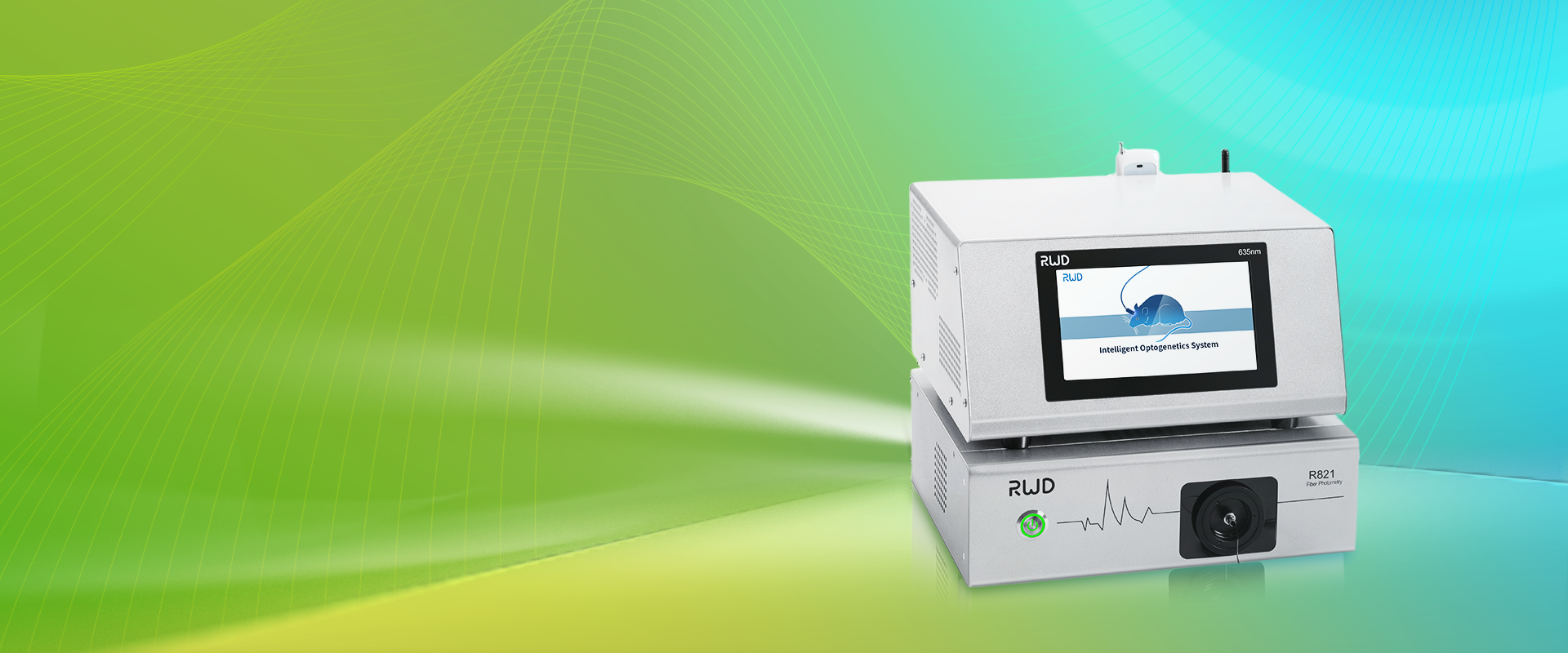
I want to walk you through a clear way to think about this. We’ll look at common failure modes, and then sketch better paths forward — practical, not theoretical. Ready to dig in?
Deeper Problems with Current Optogenetic Systems
Why do they fail?
An optogenetic system is, at its core, optics plus biology plus timing. That sounds neat on paper. In practice, I find three recurring flaws. First: light delivery is often treated as solved. But optical fibers and laser diodes have limits — alignment drifts, heat, and mode shifts change effective intensity at the target. Second: control electronics and timing jitter matter. If your stimulation protocols assume microsecond accuracy but your trigger chain has millisecond jitter, then your causal claims weaken. Third: user workflows. Labs bolt parts together and hope for repeatability. Look, it’s simpler than you think — inconsistent connectors, undocumented firmware, and ad-hoc calibration make replication a chore.
These are not minor annoyances. They bias results and slow progress. I’ve seen datasets where poor light coupling produced apparent failures that vanished after a simple re-ferrule — yes, really. We often treat optogenetics like a single device to buy, not a system to maintain. That mindset hides real costs: wasted animals, wasted time, and confused students. When we insist on elegant diagrams but skip routine checks, we invite subtle artifacts into our findings. The fix starts with admitting those limits and designing for them.
Future Outlook: Practical Paths Forward
What’s Next?
Looking ahead, I lean toward pragmatic upgrades rather than miracles. The next generation of optogenetic system design should treat calibration, diagnostics, and data integrity as first-class features. That means built-in power meters, self-test routines, and simple logs that record every LED pulse and trigger time. It also means tighter integration between the microcontroller driving the light and the acquisition system so timestamps line up without guesswork. These are engineering choices, not experiments — but they change how confident we feel about results.
Practically, I expect two trends to matter most. One: smarter edge devices (think edge computing nodes near the rig) that pre-process timestamps and detect anomalies in real time. Two: modular optics that make swaps safe and repeatable. These shifts lower the bar for new users and cut troubleshooting time for veterans — funny how that works, right? We should evaluate new setups by real metrics: uptime, reproducibility across rigs, and error rates during long runs. Well, we tried better logging in one pilot study and that alone halved our downtime.
Closing: How to Choose — Three Practical Metrics
I’ll leave you with three evaluation metrics I use when choosing or building systems. First: timing fidelity — measure jitter end-to-end, not just at the driver. Second: light stability — monitor delivered power at the tip over sessions. Third: operational transparency — how easy is it to run a self-test and read logs? These tell you more than spec sheets. I prefer vendors and platforms that make those checks visible, because I want to spend time on biology, not guessing hardware bugs.
If you want a reliable starting point that emphasizes those design choices, check materials and tools from BPLabLine. I’ve recommended their resources to colleagues who value repeatable work and clear diagnostics. We can make experiments cleaner — one practical change at a time.