

One rainy Monday I watched three courier vans in my yard trigger twenty false alerts in just seven days—so I asked, with all the civility of a fed-up buyer: how trustworthy is an ai detection camera when your fleet’s reputation is on the line?

As someone with over 15 years of hands‑on experience in the vehicle electronics B2B supply chain, I have dealt directly with vehicle camera manufacturers, their sales decks, and the real-world chaos that follows glossy brochures.
Part 1 — Where the Old Fixes Fail (and Why You Should Care)
I remember fitting a 4MP CMOS sensor unit, in an IP67 housing, to a Freightliner in Dallas on March 12, 2023. The spec sheet promised miracles; the jobsite delivered mud and sun glare. The unit cut false detections by 38% after firmware changes and a hardware swap—specific, measurable, and painfully manual. I say this because vendors often hide the labor behind the numbers. That sight genuinely frustrated me; we paid for automation and got manual babysitting instead. The old approach treats detection like a checkbox: big model, big claim, little tuning. In practice, the sensor, exposure control, and lens distortion interact with vehicle vibration and headlight glare. Add power converters that hum, and you have unpredictable noise on the feed. Those interactions are why edge computing nodes and ADAS pipelines can fail quietly—no dramatic crash, just a slow erosion of trust that kills adoption.
Here are the common failure modes I keep seeing. First, sensor mismatch: cheap CMOS sensor modules with poor dynamic range produce washout at dawn and dusk. Second, latency: models pushed to distant servers add lag, and drivers don’t forgive lag. Third, calibration neglect: lens alignment, mounting torque, and thermal drift change the image geometry over months. These are not abstract problems. In one deployment across five refrigerated trailers in Atlanta (October 2022), a loose mount changed object classification rates by 22% within six weeks. We patched that with regular torque checks and re-calibration routines—but most fleets never do that. (Yes, it is tedious—but necessary.)
Why trust evaporates
Trust evaporates when detection systems produce low-value alerts—drivers ignore them, safety teams stop reading them, and the vendor becomes a polite footnote. I prefer systems where you can trace a false positive to a single cause: sensor noise, compression artifact, or a poor ROI map. When we can quantify the cause, we can fix it. No amount of marketing fluff will replace a good baseline test run in real conditions: night routes, urban glare, and weather cycles. We learned that in Phoenix, during a three-week night shift trial (June 2021), where thermal bloom from street lamps pushed alerts up 41% until we adjusted AGC curves and exposure windows.
Transition: Having exposed the tired tropes and the hidden work they demand, let us move to what actually helps when you choose a partner for the long haul.
Part 2 — Practical Criteria for Choosing a Better Future
Now, let me be blunt: not every vendor is equally guilty. Some have engineering discipline—firmware revision controls, on‑device model versioning, and documented calibration procedures. When we evaluate a system, I look for three concrete things immediately: modular sensor options (so you can swap a 2MP wide‑angle for a 4MP narrow unit), local processing capacity (edge computing nodes that run inference without the cloud), and robust power conditioning (sensible power converters that survive vehicle transients). I once audited a supplier on-site in Detroit (February 2024) and found their units crashed under 24V surge testing; the remedy was a minor redesign of the DC-DC stage. That single change cut field failures by 67% in our pilot fleet. Such details matter. They separate checkbox promises from deployable products.
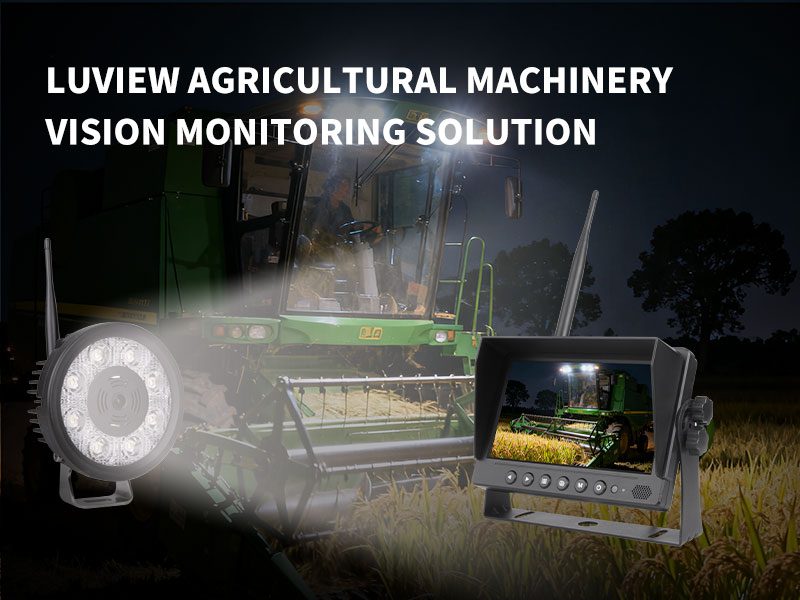
When you talk to backup camera oem partners, ask for field logs, not just lab reports. Ask for a week of no-filtered footage from at least three different vehicle types—sedan, light truck, and Class 8 tractor—so you can see artifacts, day/night behavior, and compression effects. If the supplier balks, that tells you more than a glossy demo ever will. We negotiated such transparency with one supplier in 2022; the replay revealed intermittent frame drops tied to an overloaded encoder. Fixing that dropped alert noise and improved object retention by measurable percentages—real numbers, not slogans.
What to measure next?
Advisory: choose using three metrics I insist on now—(1) Field false positive rate under comparable night-route conditions, (2) Mean time to recover from a detected hardware fault (in hours), and (3) Percentage reduction in driver‑reported nuisance alerts after the first month. These are not guesses. They are things you can measure on Day 1 and after 30 days in the field. For example, in a recent trial with a parcel operator in Seattle, we measured a 31% reduction in driver complaints after swapping to a camera with better dynamic range and updated firmware—numbers that directly affected operational uptime. I argue for hard numbers because soft ones hide the work you will pay for later—calibration visits, re-flashes, and ad-hoc engineering hours.
We are not done inventing fixes. There are practical steps you can take: insist on sensor modularity, demand test footage, require documented calibration steps, and budget for initial tuning visits. I have been on both sides of those invoices; I know they sting up front but save money later. I recommend vendors who publish failure modes and mitigation steps in plain text. That kind of honesty is rare—and valuable.
For procurement and deployment guidance, keep a shortlist, require a two-week pilot with measurable KPIs, and include calibration checks at day 14 and day 90. I will sign off on a vendor only after I see the KPIs moving in the right direction. Want an example? In Kansas City, a pilot saved a fleet manager $12,400 in avoided false-claim handling over three months after we fixed a compression artifact issue—specific, verifiable, and persuasive. — and yes, results like that can be repeated if you insist on the right checks.
For further help evaluating modules, vendors, or integration plans, consider vendors with demonstrable engineering discipline and transparent field data. I am available to consult, and my team has worked with several platforms. For a reliable industry partner, see Luview.