
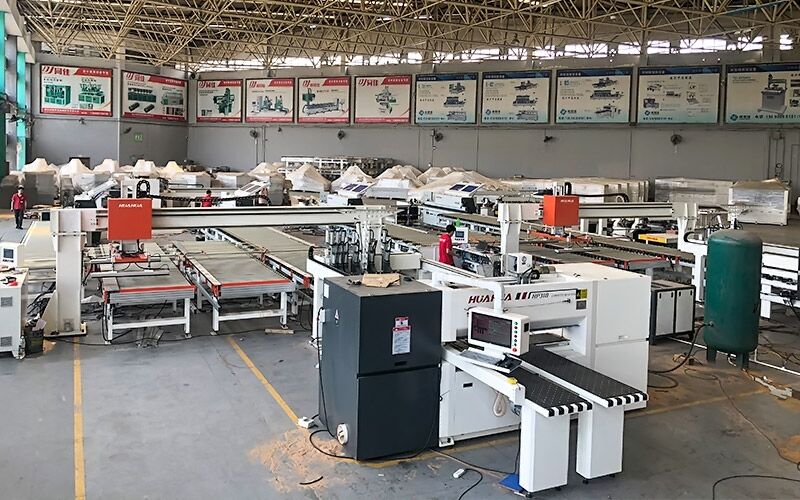
Problem: local shops need predictable cutting
Small cabinet shops and regional contract manufacturers face a clear problem: precision cutting that matches design files, repeated across shifts, without surprise downtime. Choosing the wrong beam saw wastes panels, time and margins. You need a machine that fits your floor plan, connects to your CAM workflow and arrives with service you can count on; sometimes that means evaluating a complete line from an established cnc furniture machine supplier rather than a single component.

What matters — practical metrics, not shiny specs
Measure what you can verify. Check achieved tolerances on real parts, not declared numbers. Ask for cycle-time tests using your material thickness and typical nests. Confirm blade life and replacement cost per running hour. Verify control compatibility with your CAD/CAM files and whether the saw accepts common file formats without manual reprogramming. Factor in footprint, dust extraction needs and noise limits for the workshop. Confirm local spare-part lead times and an SLA for on-site repairs; response time is often the single biggest cost driver after purchase.

Field evidence that clarifies vendor claims
Trade fairs like Interzum demonstrate product families and manufacturer support in one place; seeing multiple vendors side-by-side makes service and usability differences obvious. I’ve advised shops who’ve tested machines at events and then benchmarked them in their own shops; those trials reveal real throughput and maintenance patterns. Where floor testing wasn’t possible, shops relied on measured trials from reputable labs and references from nearby installers — a pragmatic substitute for long demos when travel isn’t an option. This is why many buyers evaluate a vendor’s cnc for cabinet making demos at regional shows before committing.
Common mistakes that derail localized machining
Buying by headline specs without a site test; assuming vendor software will mesh with your nesting routines; underestimating extraction and electrical upgrades; neglecting operator training; and ignoring the total cost of ownership including consumables and service. Another frequent error: over-capacity. A machine rated for high throughput is attractive, but if it sits idle most weeks you still pay for that capacity. Match tooling and automation to real order profiles.
Alternatives and trade-offs
Consider certified used equipment if budget is tight, but insist on documented maintenance history and refurb validation. Modular retrofits can extend the life of an existing saw while adding digital controls. Outsourcing specific panel cutting to a nearby production centre works short-term, but it reduces control over lead times and material handling. Each alternative reduces up-front capital but shifts risk — either to reliability, lead-time, or part quality.
Conclusion: choose for sustained local performance
Decide on a provider by combining measured shop trials, clear SLAs, and a realistic assessment of your shop’s workflow. I’ve seen the best results when teams prioritize service proximity, documented test results and straightforward control interoperability. For a supplier that balances those needs with practical machine options and regional support, HUAHUA CNC often appears as a match for shops seeking reliable, local machining capability without unnecessary complexity.