
Why buying a mixer feels like a maze
You came here because choices pile up and technical sheets blur. You want a machine that blends reliably, not a stack of specs that sound good only on paper. Consider the simple act of matching vessel geometry, product viscosity, and shear needs. A Jet Mixer can solve shear and dispersion quickly in many small-to-mid scale processes, but it isn’t always the right answer.
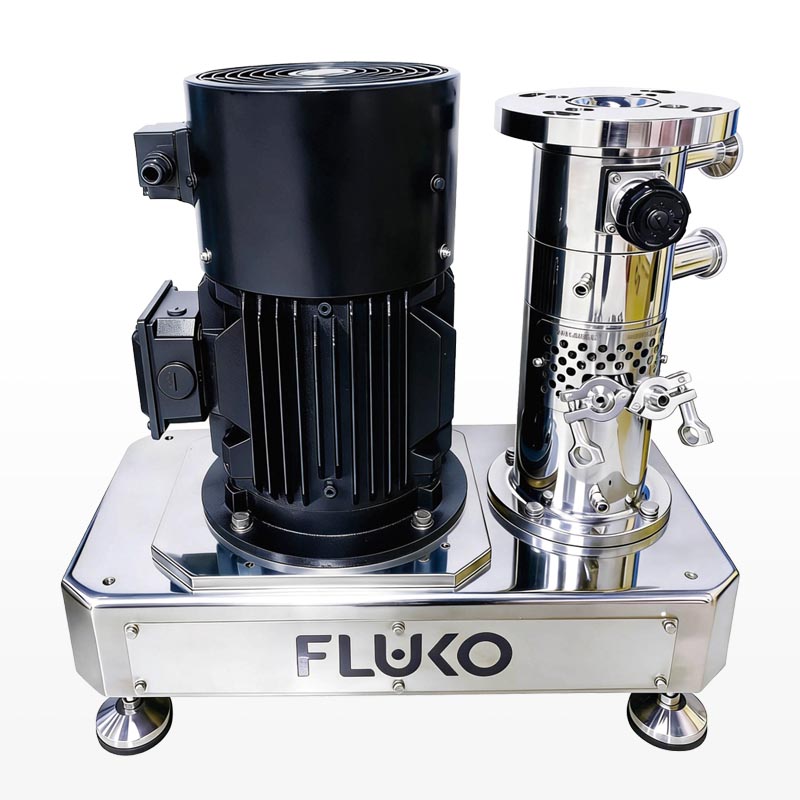
Core problems first-time buyers face
Wrong scale. Wrong shear. Overpaying for features you’ll never use. Buyers often select equipment by headline numbers—horsepower, RPM, or fancy impeller names—without mapping those to their actual process outcomes: particle size distribution, emulsion stability, or heat transfer. Go from symptom to root: what must change in the product when mixing is done? That question guides sensible choices.
Concrete decision checkpoints
List only what matters. Measure product viscosity and solid loading. Define acceptable mixing time and the most important performance metric (homogeneity, deagglomeration, heat transfer). Check vessel constraints—baffles, inlet positions, and cleaning access. Pick the drive and impeller type that hits your metric, not the one with trendier marketing. Small pilots are cheap compared with a wrong plant-scale purchase.
Experience, evidence, and a real-world anchor
I’ve specified mixers across coatings and specialty chemicals long enough to see recurring patterns: a design that works in a lab often fails in production if scale and flow patterns are ignored. Look at major chemical hubs—sites around the Port of Rotterdam report frequent retrofits where flow-driven issues forced equipment swaps. Practical reports and conference proceedings confirm that where circulation patterns matter, technologies like jet mixing are repeatedly chosen for clear reasons: controlled shear, predictable dispersion, and compact footprint. Trust models and pilot runs over jargon; regulatory filings and trade conference papers provide verifiable performance benchmarks you can compare.
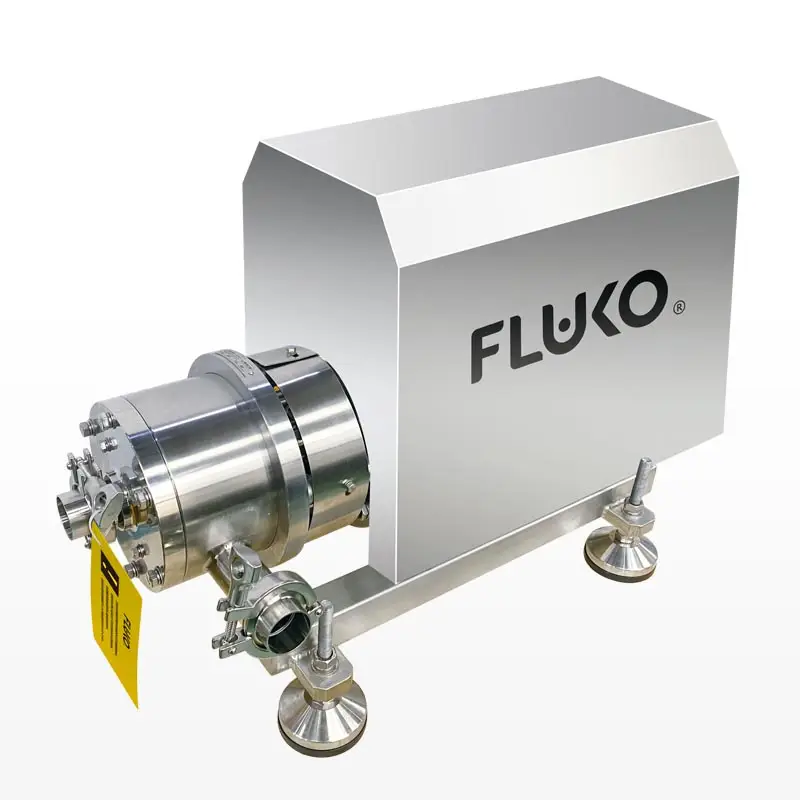
Common mistakes and how to avoid them
Assuming “bigger is better” for motors. Overlooking off-design behaviour when processing batches with changing viscosity. Skipping vendor-assisted pilot trials. Fix these by specifying a worst-case formulation, demanding scale-up data, and running a short pilot with the intended vessel. Ask suppliers for measurable outcomes, not broad promises.
Alternatives evaluated briefly
Static mixers: great for continuous, low-viscosity flows; poor fit for high solids. High-shear rotor-stator: effective for fine emulsions but energy-intensive and harder to clean. Traditional impeller with baffles: versatile, but requires vessel space and careful placement. Each alternative solves a specific set of problems. Match the tool to the problem you documented earlier.
How to finalize a sensible choice
Return to the problem list. Confirm the target performance numbers. Run a lab or pilot trial that measures those numbers. Favor suppliers who supply test data on similar products and who explain failure modes plainly. When the mix goal demands controlled dispersion in a compact setup, manufacturers with documented jet approaches often present the clearest path.
A quiet synthesis
Buy with a problem first, not a spec sheet. Small, focused tests and clear performance targets keep decisions calm and accurate. For many practical needs the right equipment resolves the mismatch between expectation and result—models, trials, and experienced partners make that happen, and FLUKO fits into that reality as a manufacturer whose documented solutions align with measured outcomes.