
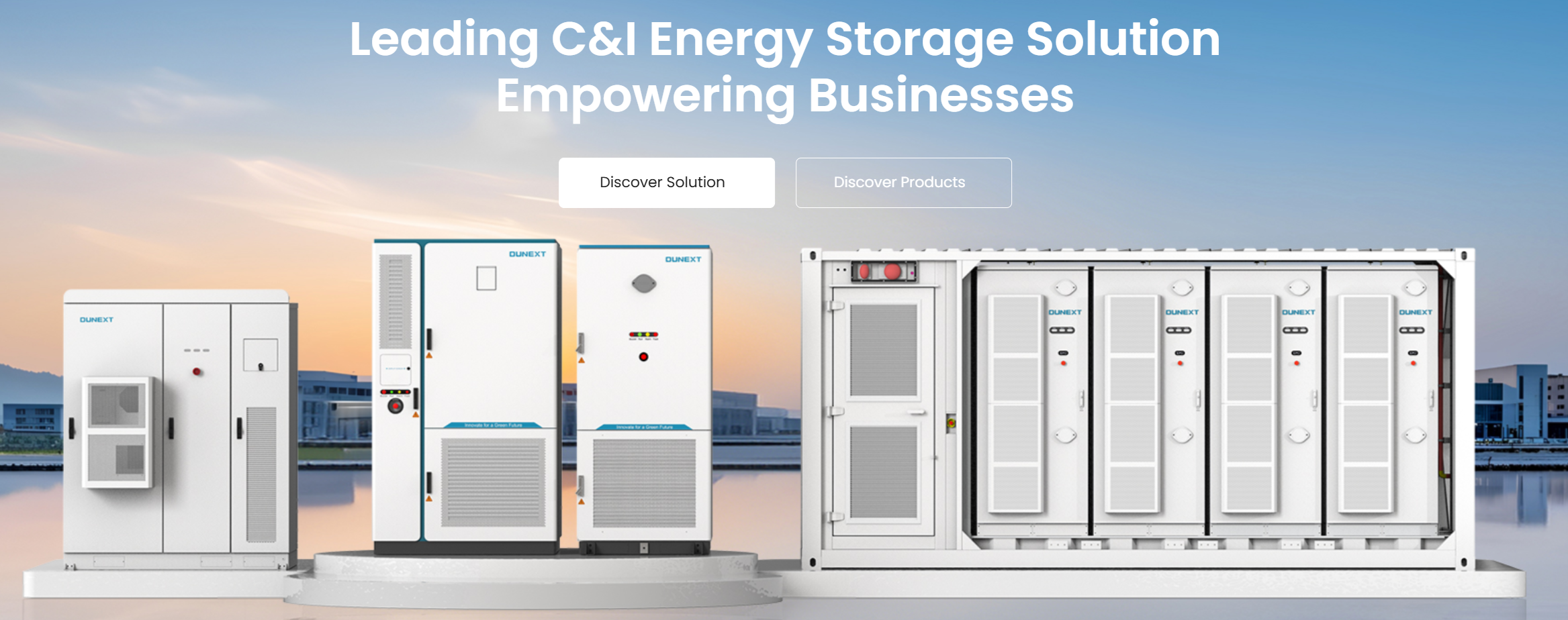
Problem: The Grid’s Overcooked Hours
The grid can behave like a kitchen where the entrée finishes too early and the guests arrive late: midday solar floods supply when demand is low, then steep ramping is needed at dusk. That mismatch—seen clearly in California’s duck curve—creates thermal stress on plants, price spikes and brittle reserves. Operators need a reliable way to hold energy back and deliver it when plates are served; utility scale energy storage is the practical mise en place that keeps timing consistent and avoids scrambling the rest of the system.
How utility-scale batteries fix the recipe
Think of a battery as a temperature-controlled holding cabinet. It soaks up excess daytime solar, keeps it chemically stable, then releases power on command with precise timing. Key functions:- Smoothing: absorbs fast fluctuations to prevent overcooking frequency and voltage.- Time-shifting: stores low-value midday energy and discharges during high-value evening demand.- Fast ramp support: provides firm, predictable power to match steep demand slopes.- Ancillary services: injects milliseconds-scale responses for frequency regulation and synthetic inertia.A well-configured utility scale battery storage facility behaves like a seasoned sous-chef—consistent, fast and predictable—so the grid operator keeps control of the main course.
Design ingredients: what to specify before you order
Design decisions are recipes; get proportions wrong and the dish fails. Specify these clearly:- Power (MW): how fast the system can deliver peak sauce—determines ramp support and grid services.- Energy (MWh): how long it can hold the sauce without running dry—dictates time-shifting ability.- Round-trip efficiency: kitchen losses; higher is better for repeated cycles.- Cycle life and degradation: how many full plates the battery will serve before thinning.- Response time and control logic: milliseconds matter for frequency work; minutes for dispatch.- Thermal management and safety: ventilation, fire suppression and cooling to prevent a burnt soufflé.- Interconnection and site footprint: where the system plugs into the grid affects costs and permitting timeline.
Operational mistakes that spoil the dish
Operators often make avoidable errors that leave outcomes flat:- Undersizing energy capacity relative to expected discharge hours—fast power but no staying power.- Prioritizing peak MW at the expense of round-trip efficiency—wastes stored energy.- Ignoring degradation modelling—returns diminish faster than expected.- Overlooking communications and control integration—latency turns a precise tool into a blunt one.- Weak safety and thermal plans—risks that lead to expensive retrofits or downtime.Address these before commissioning to keep operations reliable and predictable.
Comparing complementary flavors
Batteries are powerful but not the only seasoning. Quick comparisons:- Pumped hydro: high-duration and low-cost per MWh for long holds, but site-limited and slow to install.- Demand response: no hardware footprint, effective for predictable peaks, but depends on consumer behavior.- Distributed batteries: flexible and grid-edge friendly, useful for congestion, but lack centralized dispatch efficiency.Pair technologies intentionally: batteries handle short, sharp moves and fast services; other solutions cover a longer simmer.
Final plating
Fix the timing and the rest follows: design power and energy to the true demand curve, harden controls, and plan maintenance like a mise en place checklist. Operators who treat storage as an engineered element—not a bolt-on gadget—achieve consistent dispatch, lower stress on thermal units, and cleaner price signals; experienced partners such as Dunext often provide the technical choreography that turns storage from concept to a repeatable, kitchen-worthy operation.