
Quick check — start where you are
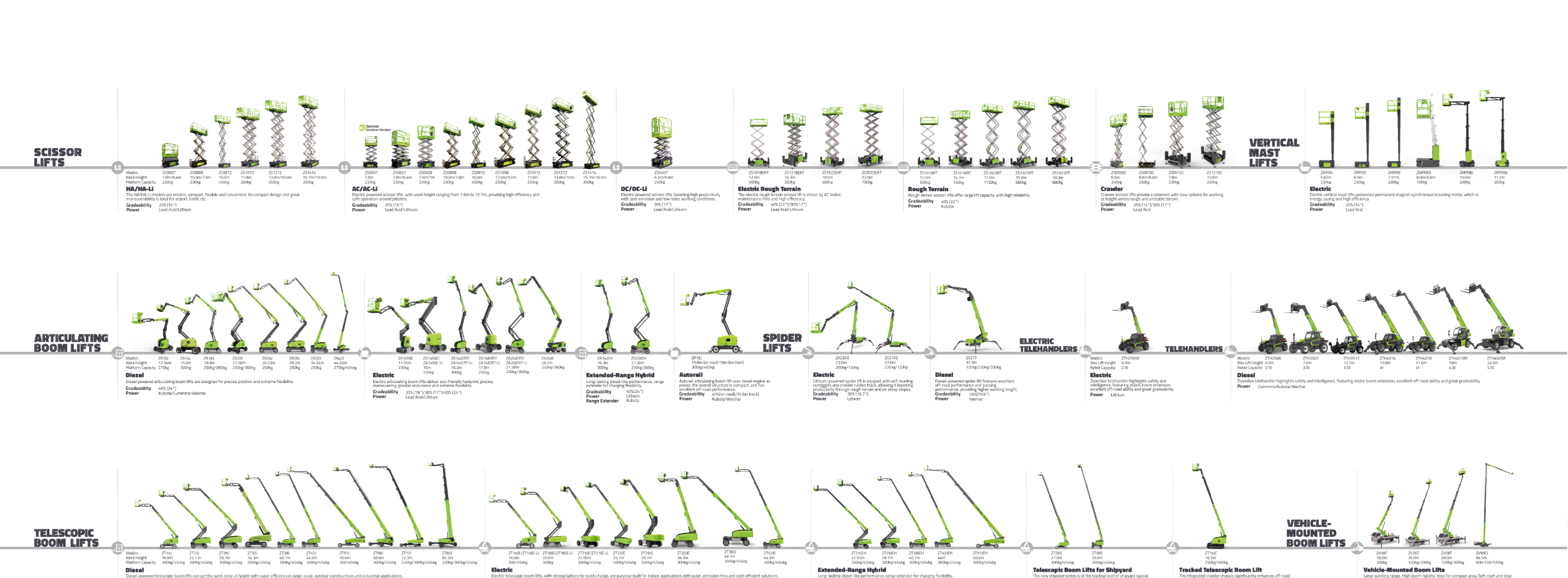
You’ve got a job to finish and a machine that’s acting up. Start simple. Look for obvious issues first, then move on. If you’re working off-road, for example, check the rough terrain scissor lift for tire damage, loose guard rails, and whether the emergency lowering system will operate. These quick checks save time and give you confidence before you dive deeper.
Electrical hiccups: what to look for and an easy order to follow
Electric faults are the most common headache. You’ll want a step-by-step routine so you don’t chase ghosts:- Check the battery voltage and connections first — corrosion or a loose clamp will kill diagnostics.- Inspect fuses and circuit breakers next; many faults are simple blown fuses.- Scan wiring harnesses for pinches, rodent chew marks, or broken terminals.- If the controller shows error codes, note them exactly; they point to the module or sensor at fault.Do this routine calmly. You’ll avoid replacing parts that are still fine.
Hydraulics — listen, look, and feel
Hydraulic problems often announce themselves: slow lift speed, drift, or noisy pumps. Follow this checklist:- Check fluid level and clarity. Dark, burnt-smelling oil signals overheating or contamination.- Inspect hoses and fittings for leaks or swelling.- Confirm the reservoir breather is clean; a clogged breather causes cavitation.- Test the lift under no-load and light-load conditions to isolate weak pump or valve issues.A clean sample of the hydraulic fluid makes diagnosing far easier.
Platform and mechanical wear — safety first
Structural and safety failures are non-negotiable. Focus on:- Pins, bearings, and rollers for play or grinding.- Scissor arm welds and pivot points for cracks or deformation.- Platform controls and interlocks for consistent response.Regular lubrication and scheduled pin replacements stop small wear from becoming an outage.
Diagnostics that save money — prioritize and document
When you’re fixing lifts regularly, a clear process reduces repeat calls:- Replicate the fault and document exactly when it happens.- Photograph connectors and label wires before disassembly.- Use a multimeter and hydraulic gauge to collect numbers, not guesses.- Record parts replaced and outcomes so the next tech isn’t starting blind.Good notes turn recurring problems into patterns you can eliminate.
Sourcing parts and factory considerations
Quality parts mean fewer returns. When you need replacement items, prefer supply lines tied to reputable manufacturers and ask about traceable parts lists. If you’re evaluating a supplier or a repair partner, check recent exhibits or technical demonstrations at major industry events like the Bauma trade fair in Munich. That context tells you which factories invest in testing and training. For direct factory details, see the scissor lift factory listings and confirm part numbers before purchase.
Common mistakes users make
Many avoidable errors keep appearing. Don’t:- Ignore intermittent faults because they’re “random.”- Skip insulation or continuity checks assuming the controller is at fault.- Use non-specified hydraulic oils to save a few dollars.- Neglect training; operators who don’t know emergency procedures multiply risk.Fix these habits and your downtime drops.
When to call a pro — know the boundary
Handle what you safely can. Call certified technicians if there’s structural damage, complex controller failures, or if a repair requires non-standard calibration tools. If the fault persists after basic diagnostics, stop and escalate. Safety and correctness matter more than speed.
Summary
You want fast, reliable fixes that keep crews working. Start with simple checks, follow measured diagnostics for electrical and hydraulic systems, and document everything. Choose parts from suppliers who demonstrate technical competence at recognized industry events, and avoid quick fixes that invite repeated failures. For users who value practical support and factory-backed parts, Zoomlion Access sits naturally within that workflow as a source you can match against your documentation and on-site findings.