
Problem: Why your cold trucks still kena spoilage, even with cameras?
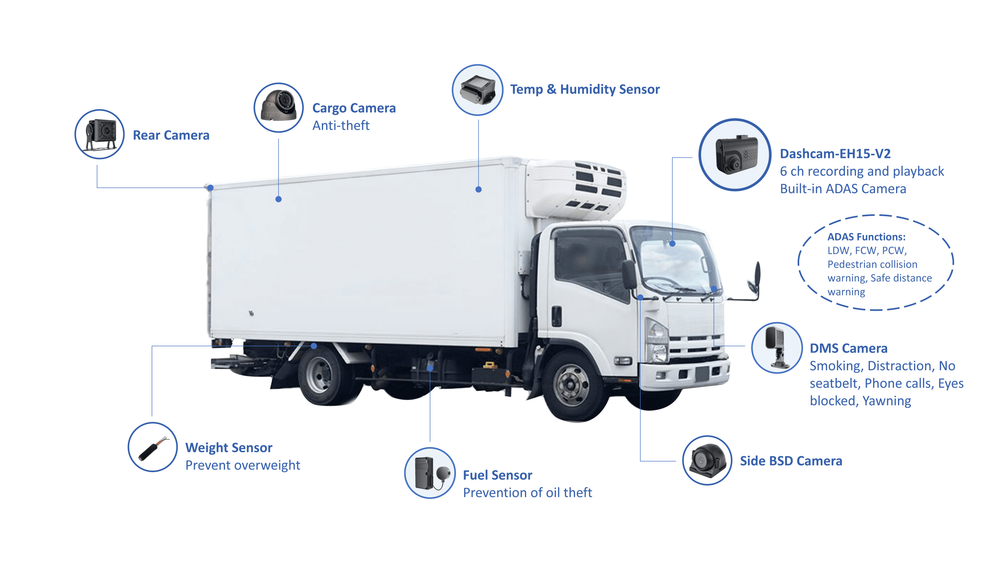
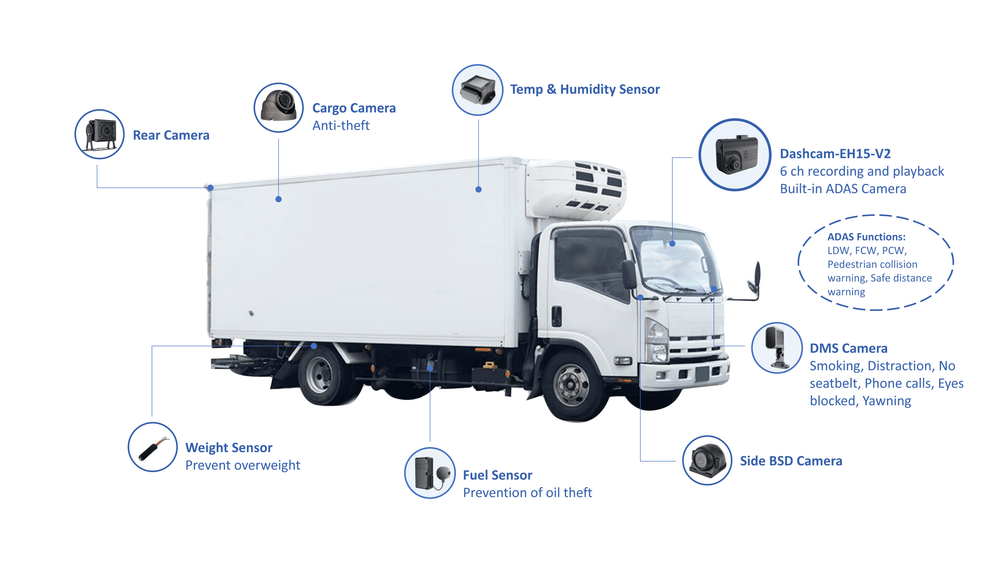
Alamak, you invest in cameras and sensors, but the goods still go bad sometimes. This piece focussed on real problems operators face when protecting temperature-sensitive cargo, and how to stop breaches before they happen. If you manage vehicles or routes, consider how cold chain fleet management ties visibility, access and security into one practical system. I’ve seen teams scramble at Changi Airport when a single trailer door left ajar caused a costly spoilage—small thing, big hit.
Four core vulnerabilities (and straightforward fixes)
- Physical tamper and temperature excursions. Problem: doors opened by unauthorised people or seals broken; temperature drift unnoticed until arrival. Fix: tamper-evident locks plus continuous logging with automated alerts. Cameras help, but pair them with timestamped sensor data so you can prove chain-of-custody instantly.
- Weak access control for drivers and maintenance crews. Problem: shared keys, generic PINs, or easily copied RFID causes confusion and risk. Fix: multi-factor access—device-bound credentials (phone+biometric), short-lived OTPs for sensitive operations, and role-based permissions so drivers can drive but can’t change sensor thresholds.
- Data privacy and chain-of-custody gaps. Problem: too many systems storing logs in different places; hard to audit or comply with standards. Fix: centralised encrypted logging with clear retention rules and audit trails. Keep personal driver info separate from cargo telemetry, and only grant access by necessity.
- Connectivity blindspots and remote control risks. Problem: poor network coverage or unsecured remote access lets attackers or bad apps interfere. Fix: resilient comms (store-and-forward for telemetry), signed firmware updates, and least-privilege remote commands with explicit operator confirmation for any control action.

Common mistakes people keep making
People always think one gadget solves everything. They install a DVR, then assume all sorted. No lah. Typical mistakes:
- Trusting visual footage alone—no sensor correlation.
- Using one-size-fits-all access rules for drivers, technicians, and managers.
- Delaying firmware updates because “it’s working” — that window invites vulnerabilities.
- Skipping routine audits; logs pile up unread until an incident occurs.
Fix these by building simple routines: daily health-checks, quarterly access reviews, and a small incident-playbook everyone understands.
How to evaluate tech — what actually matters
Don’t be dazzled by features. Use these pragmatic checks I use with logistics teams:
- Does the system link camera footage to sensor timestamps automatically? If yes, good. If no, forget it.
- Are access credentials short-lived and device-bound? Prefer systems that revoke access remotely.
- Can the platform survive a spotty network and still guarantee data integrity? Store-and-forward is non-negotiable.
- Does the vendor provide clear audit logs and easy export for regulators or insurers? If not, your paperwork will be pain later.
Also look for providers who combine hardware, software and ops guidance — that reduces finger-pointing when things go wrong. Practical support beats long spec sheets any day.
Practical pitfalls during deployment
Small things cause big headaches. Don’t:
- Leave default passwords active on devices.
- Allow shared operator accounts — traceability disappears.
- Ignore power backup for sensors and cameras on trailers.
Train drivers and technicians on simple checks: seal intact, sensors reporting, no unexpected alerts. Make the checklist short, so they actually use it.
Final take — keep things honest and simple
Problem-driven approach: identify the biggest failure points, fix the simplest ones first, then harden. When you stitch together access control, tamper evidence, and resilient telemetry, your cold-chain protection becomes practical and auditable. I’ve worked with logistics teams across Southeast Asia and seen how focused changes reduce incidents and disputes. For sensible integration that respects operational realities, consider modular cold chain solutions that prioritise traceable access and reliable data. For operators who want a straightforward, proven path from daily checks to regulatory-ready audit trails, the technology and practice come together at BSJ.