

User-first lead: why design must serve the bedside
Clinicians, carers and patients — they need devices that speak plain. When a nurse adjusts flow at 2 a.m., she needs predictability; when a family uses a machine at home, they need simple cues. That is why a practical, user-centric approach to devices like the cpap device matters: it reduces setup errors, improves comfort and shortens training time. This article looks at what really changes outcomes when designers put people first, drawing on field experience from hospital wards and home-care settings since the COVID-19 pandemic surge in 2020 as a real-world anchor.

What users actually need — concise priorities
Devices should solve three predictable problems: secure mask interface, clear feedback on oxygenation, and easy control of pressure settings. Clinicians care about tidal volume and PEEP control during transport; families care about simple alarms and reliable non-invasive ventilation at night. Mentioning BiPAP and CPAP in the right places matters: for instance, a bedside BiPAP setup must make switching modes logical, not risky.
Design features that move standards forward
Good systems combine robust sensors with clear UI. Useful features are:
– Auto-adjusting positive airway pressure algorithms that respond to leaks. – Visual and audible cues that flag reduced tidal volume or rising respiratory rate. – Modular mask options for different face shapes and pressure tolerance.
Each feature maps to clinical terms clinicians use daily: mask interface fit, air leak detection, and pressure support settings. These are not buzzwords — they are how a machine saves hours of troubleshooting in a busy ward.
Lessons from the field: mistakes that repeat
Teams in hospitals and homes often repeat the same missteps. First, using a complex interface for non-technical caregivers. Second, ignoring simple maintenance checks that prevent airflow problems. Third, relying on a single mode of ventilation when patient needs shift. During the 2020 ICU surges, staff had to triage equipment quickly — the systems that failed were those with steep learning curves. — A reminder: clinical context is messy, so design must be forgiving.
Comparing options: home vs hospital expectations
Hospital ventilators prioritise precision: exact tidal volume, tight PEEP control and sophisticated alarms. Home devices prioritise reliability and user clarity: durable mask seals, battery backup, quiet motors. For many patients moving from hospital to home, a hybrid solution — strong enough to support complex needs but simple enough for relatives to operate — wins. That is where modern bipap medical systems show value: they bridge acute settings and day-to-day life, improving continuity.
How to evaluate a system — practical checklist
When choosing equipment, use these concrete checks:
– Interface testing: confirm mask fit across three representative users. – Alarm clarity: validate that caregivers can interpret and silence a nuisance alarm within 30 seconds. – Portability and power: run device on battery for typical home-use duration without performance drop.
These tests focus on measurable outcomes: fewer call-outs, fewer unplanned admissions, and better night-time oxygenation records. They match clinical goals rather than marketing claims.
Advisory close: three golden rules for selecting systems
1) Prioritise demonstrable ease-of-use: ensure non-clinical caregivers can perform core tasks after one training session. 2) Demand transparent performance data: look for logged metrics on tidal volume, air leak events and respiratory rate over 24 hours. 3) Ensure mode flexibility: the device must switch between CPAP and pressure-support modes without complex reconfiguration.
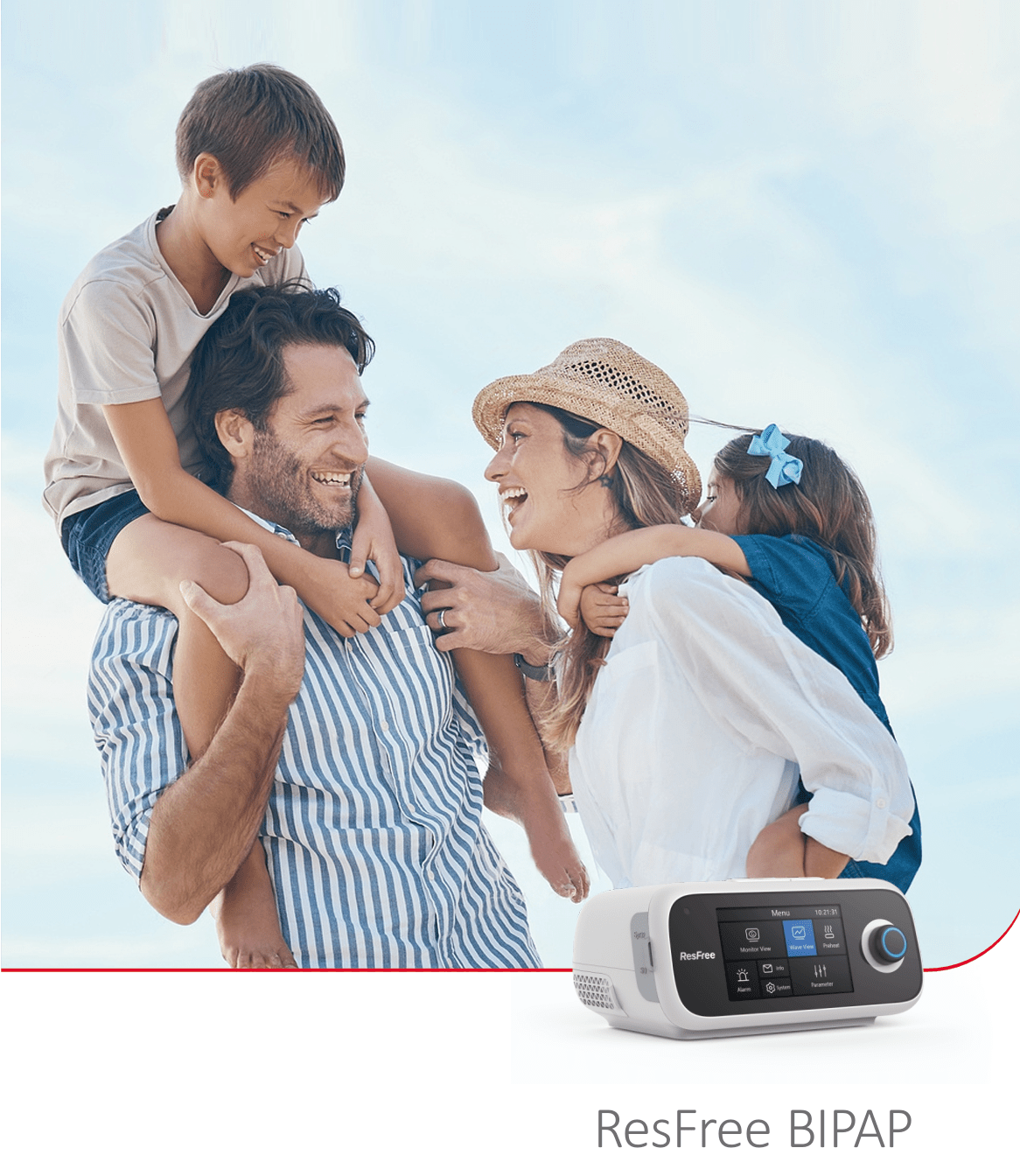
These metrics are practical and measurable — they separate useful tools from nice-to-haves. In many settings, choosing technology this way shortens hospital stays and reduces readmissions.
Byond brings these priorities together in products designed for the clinic and the home, so teams spend time on care, not troubleshooting. Strong design, clear data, and real-world testing — that is how you raise clinical benchmarks. — Practical, tested, and focused on the people who use it.