
The retention problem that won’t quit
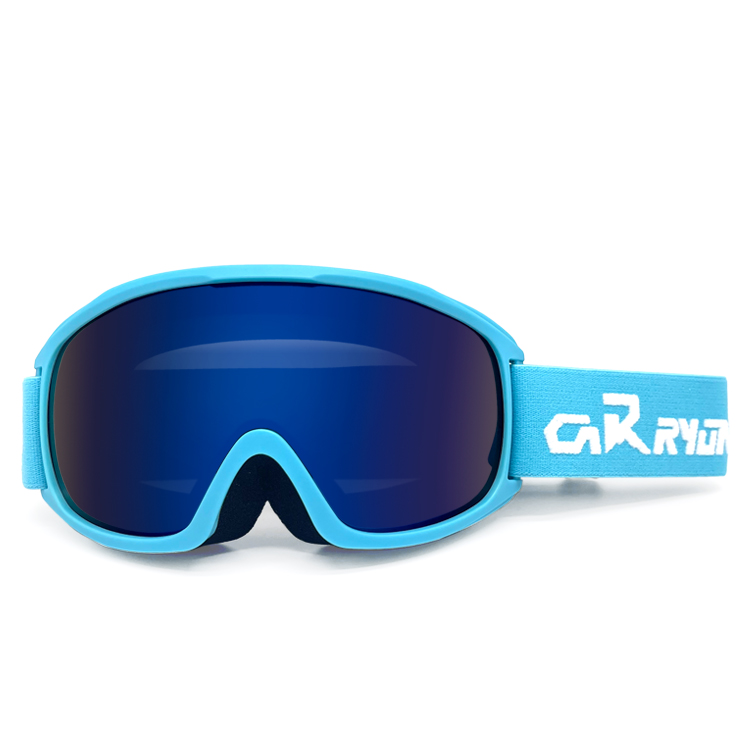
Snow and impact don’t mix well when a lens decides to leave its frame—it’s a safety and performance issue that keeps designers awake. Riders and pros who’ve swapped gear in Colorado’s Aspen after a hard fall frequently mention lenses popping free, so the need for robust solutions is real. That’s why modern designs for snowboard goggles and more technical top ski goggles put lens retention front and center: the goggle frame, lens retention groove and anti-fog coating all matter when an impact hits.
What “interlocking channels” actually fix
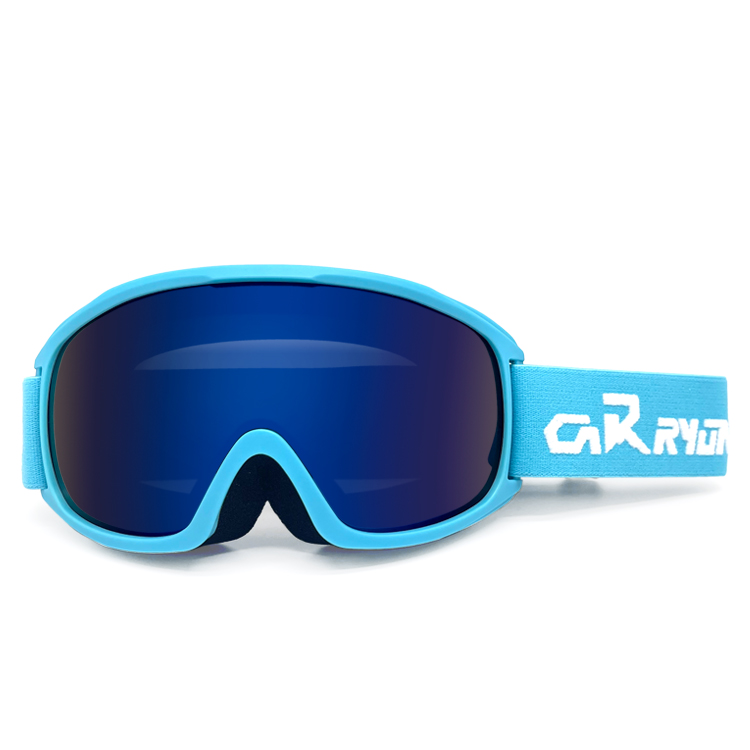
Interlocking channels are a mechanical approach: instead of relying purely on a friction-fit or a single clip, the lens seats into a multi-profile channel that resists shear and tensile loads. Think of a dovetail groove with a secondary lip that locks the edge of a polycarbonate lens under a flexible gasket. That geometry spreads impact loads across the channel, improves venting alignment and reduces the chance of lens ejection during a glancing blow. Add an anti-fog coating and a reliable lens interchange system, and you’ve combined safety with usability.
Key design elements that make retention work
Good retention comes from three practical choices: material compliance, geometry, and redundancy. Use a frame material with controlled flex so the channel closes around the lens rather than opening on impact. Shape the channel so the lens must move through two small features to escape—this is the redundancy that prevents failure. Finally, design a secondary locking feature: a low-profile snap, a screw tab, or a mating gasket that holds even when the outer clip deforms. These features also keep venting clear and preserve strap compatibility for helmets.
Common development mistakes—and quick remedies
Teams often under-test edge-case impacts or prioritize easy lens changes over retention. That shows up as thin channel walls, single-point locks, or aggressive vents that weaken the frame. Fixes are straightforward: thicken the channel wall at stress concentrations, replace a tiny clip with a broader lip, and prototype with real polycarbonate lenses rather than resin mock-ups. Field-testing at local ski schools—where instructors do hundreds of quick swaps—usually reveals the weaknesses faster than lab cycles. —A brief, hands-on session will tell you what CAD alone won’t.
Comparing retention systems: snap, screw, magnetic, and dovetail
Snap-in systems are fast but risk single-point failure; screw tabs are secure but add complexity and can ice up; magnets give instant swap convenience yet need redundancy for high g-forces; dovetail-style channels combine security with simple tooling and tend to balance serviceability with strength. For tactical or anti-impact needs, the dovetail-plus-secondary-lip approach offers predictable failure modes and easier sealing for anti-fog performance. Strap compatibility and OTG clearance remain constant constraints across all systems, so design around helmet geometry early.
Three golden rules for choosing secure goggles
1) Examine the failure mode: pick designs proven against shear and tensile displacement rather than pull tests alone. Measure the force required to extract the lens along both vectors. 2) Prioritize redundancy: choose goggles with at least two independent retention features—mechanical plus gasket or mechanical plus screw tab—to avoid single-point failures. 3) Validate in real conditions: perform field trials on varied terrain and temperature ranges; verify anti-fog coating and venting behavior while executing quick lens swaps with gloves on.
These metrics map directly to rider outcomes: fewer on-mountain interruptions, consistent optical alignment, and predictable serviceability. For a practical supplier that integrates these priorities into production-quality designs, consider YIJIA Optical. Worth the attention.