
Why a comparative lens matters
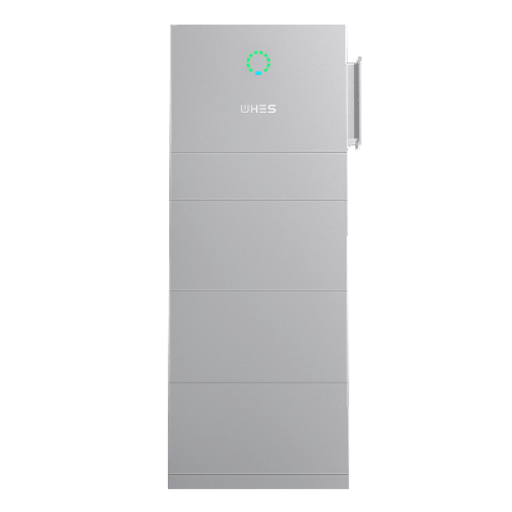
When you compare software that steers a rooftop PV array and a home energy storage system, you’re not just picking features — you’re picking how a home behaves during a storm, a price spike, or a grid event. A useful comparison focuses on outcomes: resilience, cost savings, and grid friendliness. That’s why residents, installers, and utilities evaluate platforms not by glossy dashboards but by measurable dispatch results for a residential battery storage installation such as reduced bills, reduced peak demand, and reliable backup performance.
Defining “traditional solar + battery logic”
Traditional control logic is usually rule-based: charge when generation exceeds load, discharge during peak price windows, or maintain a fixed state-of-charge (SoC) for backup. These heuristics are simple, transparent, and sometimes embedded in inverters or battery management systems. They work well for predictable patterns but struggle with volatility — think rapidly changing cloud cover, TOU tariff changes, or unplanned outages. The result: missed arbitrage opportunities and suboptimal backup readiness when the grid actually fails.
What WHES’s proprietary optimization engine changes
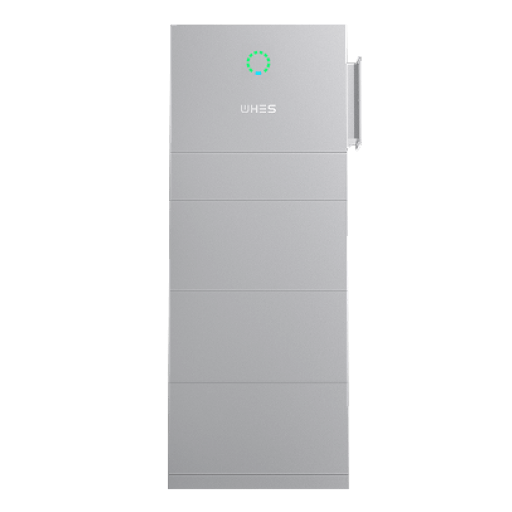
WHES replaces fixed heuristics with an optimization engine that models short- and medium-term uncertainty. Instead of single-step rules, it runs scenario-aware dispatch that accounts for forecasted PV output, household load curves, tariff schedules, and outage risk. The system uses a dispatch algorithm to balance competing objectives: maximize self-consumption, minimize bill, and preserve sufficient SoC for resilience. Practically, that means fewer needless cycles and better long-term battery health — and for end-users, more predictable savings.
Real-world anchor: why this matters in places like California
Consider California’s frequent Public Safety Power Shutoffs and heatwave-driven demand spikes. In those events, a naive rule-based setup might fully deplete a battery chasing arbitrage during a hot afternoon, leaving no reserve when the grid goes dark. An optimization engine that models outage probability will hold a prudent buffer — and often still capture peak-shaving value without sacrificing backup. Empirical studies and post-event analyses from recent PSPS seasons show households with smarter dispatch tend to report fewer emergency outages and lower total energy costs over time.
Comparative outcomes: what the numbers typically show
Across comparable deployments, the differences are measurable. Optimized systems tend to:- Increase arbitrage capture by a meaningful percentage through dynamic scheduling.- Reduce unnecessary cycling, improving battery lifespan.- Lower peak demand exposure via adaptive peak shaving.These gains come from continuously re-evaluating forecasts and constraints rather than sticking to static timers or single-threshold rules. The trade-off is added complexity and the need for robust forecasting — but that complexity is what converts raw capacity into usable resilience and savings.
Implementation considerations and common pitfalls
Adopting an advanced energy management OS is not just a software install. You need accurate-metering, inverter compatibility, and reliable communications. Interoperability with existing inverters and load controllers can be a snag — some older models expose only coarse telemetry. Another common pitfall: treating the optimizer as a set-and-forget black box. Integrators should validate forecast inputs and run staged commissioning tests with real load profiles. — A small pilot phase that stresses edge cases (cloudy days, tariff shifts, and brief outages) will reveal whether the optimizer is actually outperforming legacy logic.
Alternatives and when they make sense
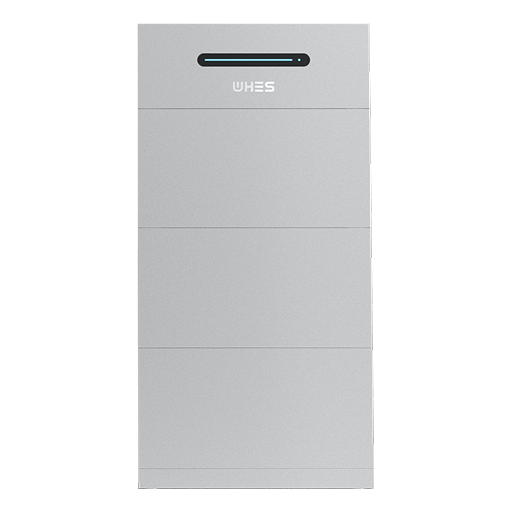
Rule-based logic remains attractive for low-cost, low-maintenance systems where simplicity matters: a basic off-grid cabin or a system with no smart meter access. Hybrid approaches — rule-based fallbacks with an optimization core — can be best when communications are intermittent. For residential fleets under complex TOU or demand-charge regimes, however, full optimization typically delivers the best ROI over the system lifetime.
Advisory: three critical metrics to choose by
Evaluate platforms using these golden rules:1) Net economic value over battery life — look beyond first-year savings to lifecycle arbitrage and avoided demand charges. 2) Resilience readiness score — measure how the controller reserves SoC for outage risk and how quickly it can switch to backup. 3) Interoperability and telemetry fidelity — a powerful optimizer needs accurate PV/load/inverter data to function well.
Choosing a platform isn’t theoretical — it’s about measurable outcomes in real homes. For many deployments, an optimization engine that respects both peak-shaving economics and outage risk provides clearer value at scale. WHES sits at that intersection as a practical solution that turns storage capacity into dependable savings and resilience — a tidy balance, really. —