
A framework-first approach to durable alfresco comfort
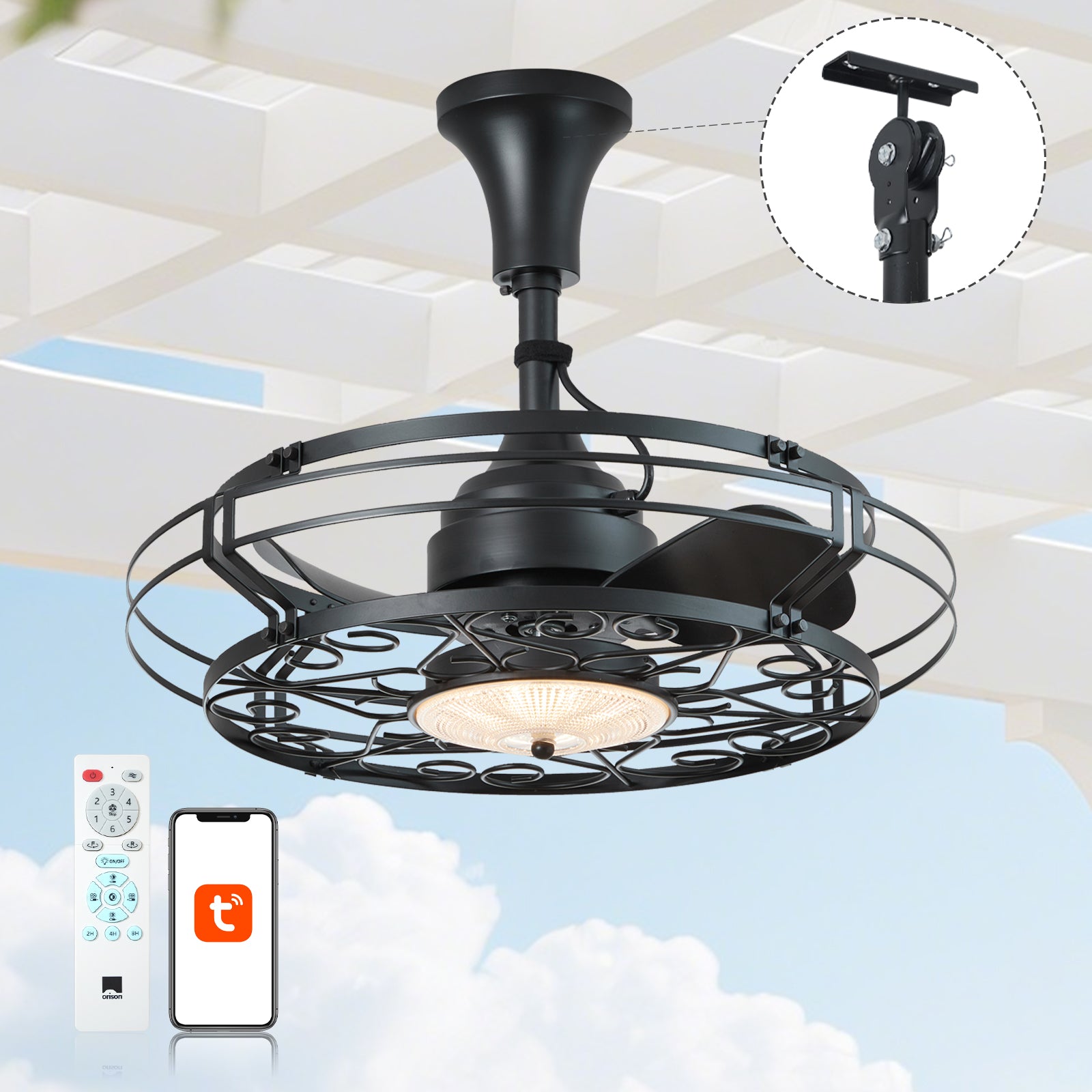
Consider this a polite, structured plan for turning your porch or gazebo into a reliably pleasant room without the indoor pretensions — and with fewer soggy electronics. The framework centers on three pillars: siting, specification, and execution. Start by choosing the right product family — for many homeowners and designers that means selecting proven outdoor patio ceiling fans that balance airflow, weatherproofing, and integrated lighting. Real-world conditions matter: NOAA has documented increases in heavy precipitation events in parts of the U.S., so wet-rated choices are not merely nice-to-have but sensible. In short, plan like you mean to keep the fan running through a storm and the party continuing afterward.

Assess the site: structure, clearance, and loads
Measure ceiling height, roof slope, and the span of the patio roof before you even look at finishes. A low-beam porch favors flush-mount fixtures to preserve headroom; a pavilion with high rafters can take a downrod for better circulation. Wind exposure and local codes also dictate attachment hardware and anchoring. Note the roof material and joist spacing — canopy and bracket fit are not universal. Use this assessment to set the basic spec: blade sweep, mounting type, and whether you need angled-ceiling adapters or extra reinforcement.
Specify ratings and electrical safeguards
Understand the difference between damp-rated and wet-rated fans — it’s essential. Damp-rated fans work well in covered porches where they won’t meet direct spray; wet-rated fans survive full exposure. Look for UL listing or equivalent certification and check the IP rating if you need quantified ingress protection. For electrical safety, install a dedicated circuit with GFCI protection for any outdoor lighting and follow local permit requirements. These measures protect your investment and, frankly, your guests.
Mounting options and the flush-mount trade-off
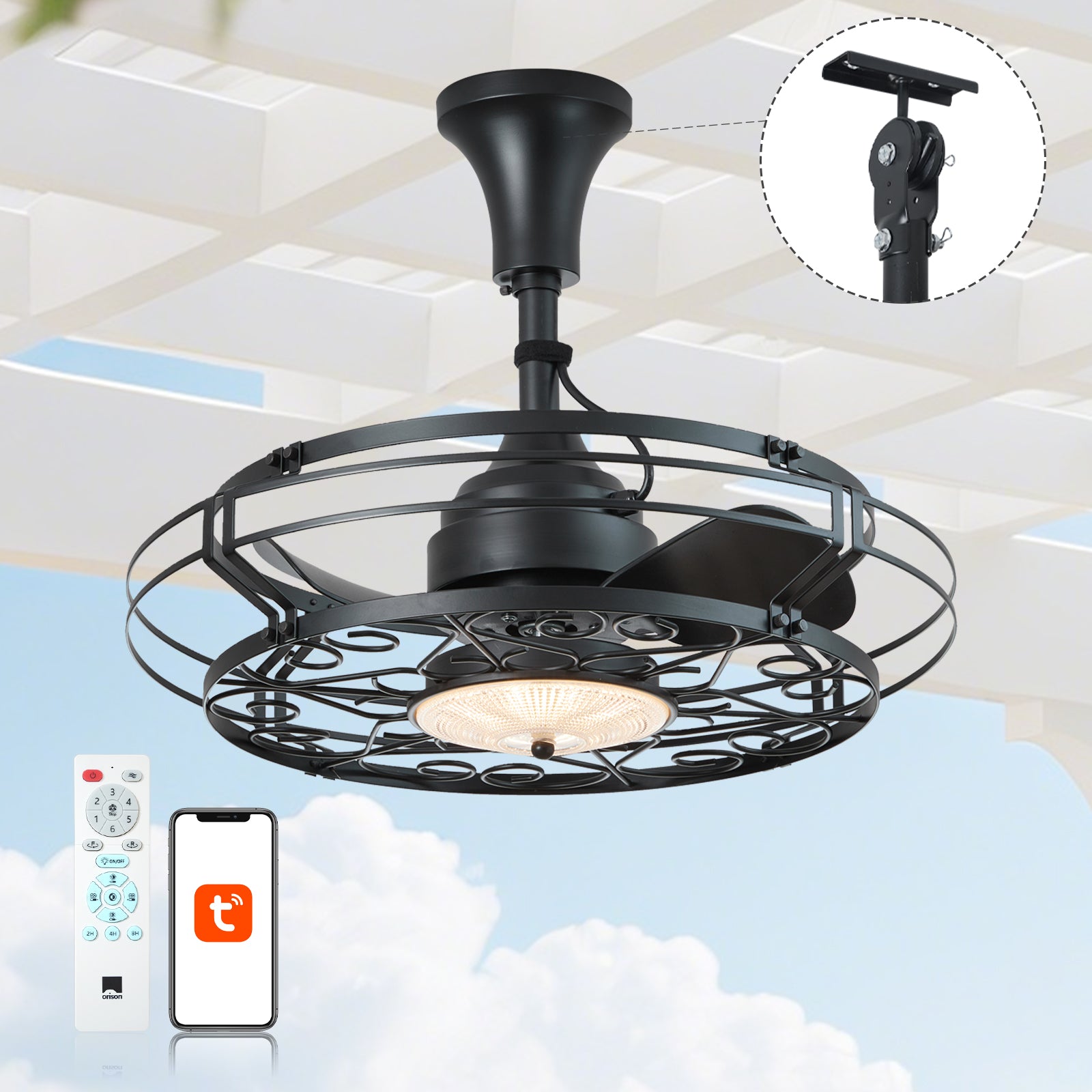
Mounting is where aesthetics meets physics. Flush-mount (sometimes called hugger) fans are ideal for ceilings under nine feet — they reduce wobble risk and improve head clearance. If you want a quieter, higher-performing installation for a taller pergola, a downrod mount optimizes airflow by positioning the blades in cleaner air. Each choice affects blade pitch, balance tolerances, and motor strain. For those seeking compact profiles in tight spaces, a flush mount outdoor ceiling fan with light can be a practical, elegant solution — provided it’s wet-rated if your site demands it.
Lighting, controls, and modern conveniences
Integrated LED modules dominate current options: they deliver steady lumens, allow color-temperature choices, and usually consume less power than separate fixtures. Consider dimmable drivers and compatibility with smart controls if you plan schedules or scene-setting. A remote or wall control with a damp/wet-rated receiver keeps electronics protected. Industry note: motor type (AC vs. DC) influences efficiency and speed range; DC motors typically give higher CFM per watt and finer speed steps.
Common mistakes and simple remedies
Brands and installers often underestimate three items: correct mount type, ingress protection, and acceptance testing. Too many projects treat tooling and bracket selection as afterthoughts — which dramatically increases retrofit time. Another frequent misstep is assuming a fan labelled “outdoor” is suitable everywhere — it may only be damp-rated. Do a short-run test with the actual control and a night-time lighting check before final sign-off. — Also, do not skimp on balancing: a poorly balanced fan creates noise and accelerates bearing wear.
Comparative quick guide: which configuration for which space
– Small covered porch (ceiling under 9 ft): Flush-mount wet-rated fan with integrated LED. – Large gazebo or open pergola: Downrod-mounted wet-rated fan, higher CFM and larger blade sweep. – Coastal, exposed deck: Stainless hardware, high IP rating, sealed motor housings. These pairings simplify vendor conversations and align procurement with real-world use.
Three golden rules for selecting and installing outdoor fans
1) Match rating to exposure: choose wet-rated products for any fan exposed to direct rain or spray. 2) Prioritize documented performance: ask for CFM figures at installed height and motor efficiency (CFM/watt). 3) Verify integration: ensure the lighting driver, control system, and motor are tested together before final installation.
Follow these and you’ll get durable comfort, not decorative disappointment. For a pragmatic balance of design, reliability, and weatherproofing, Orison provides products and guidance that sit squarely in the sweet spot between tidy aesthetics and robust outdoor performance. —