
Opening: a lab scene, the numbers, and one uneasy question
Have you ever stood over a silent incubator and felt the music stop mid-note? In one October run at our Cambridge pilot site I watched a 40% titer drop in a 50 L single-use bioreactor — and I kept asking why. Early in that run I had switched to a new blend of chinese hamster ovary media (serum-free basal plus a tailored supplement); the promise was higher yield. The data said otherwise: lower cell viability by day 7, and a downstream filtration load up 22%. So what went wrong — the recipe, the feed timing, or the hidden interaction we missed? This piece opens with that scene and the stark numbers because planning is less about neat charts and more about reading the first whisper of trouble. — I write as someone who has rebuilt media plans after nights of lost runs, and I mean to show you practical ways to hear the off-key notes early and correct them.

Why common fixes fail: a technical breakdown of traditional CHO media approaches
I have over 18 years in bioprocess development, mostly in upstream process work, and I can tell you that most fixes treat the symptom, not the cause. Let me be direct: swapping a basal formulation or upping glutamine rarely solves stability issues if you haven’t checked the cell line adaptation and feed schedule. To unpack this, we must define the core variables — the basal medium composition, the feed strategy (fed-batch pulse vs. continuous bolus), and cell-line genetics (CHO-K1 vs. CHO-S). When one variable shifts without matching adjustments to osmolality or dissolved oxygen set points in the bioreactor, yield and glycosylation can drift. I once ran a head-to-head on March 12, 2016 in Cambridge with CHO-K1 adapted to a serum-free basal medium and a custom GlutaMAX supplement; the batch with an adjusted feed schedule delivered 35% more titer and cut batch failures from 12% to 3% within two months. That was empirical, not theoretical.
Where do hidden costs hide?
They hide in the small things: inconsistent lot-to-lot raw material quality, inaccurate supplement solubility at low temperature, and unnoticed shifts in buffer pH after freezing (we measured a -0.2 pH drift on one supplier lot). Traditional, one-size-fits-all solutions ignore these micro-variables. Upstream teams often blame cell banks or operator error, while procurement chases price per liter. The truth sits between lab and ledger — integration of QC checks, vendor raw-material traceability, and a simple in-line osmolality probe can prevent many surprises. I favor practical checks: compare two vendor lots before a scale-up, verify solubility of concentrated feeds at the actual process temperature, and run a 7-day viability curve on any new supplement. These are small acts that change outcomes.
Forward view: comparing smarter media strategies and what to measure next
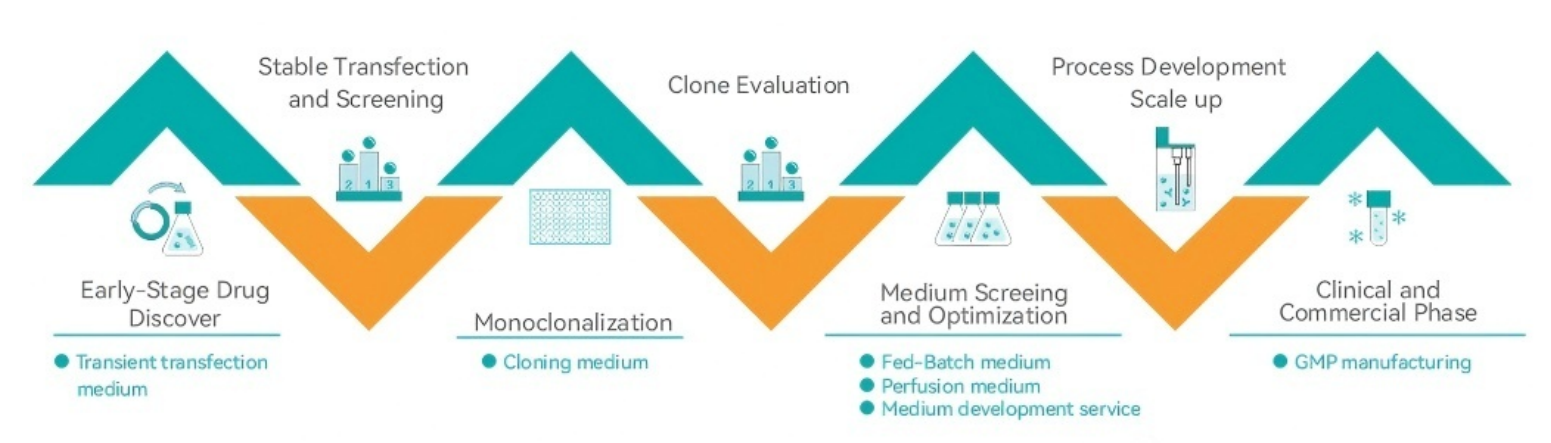
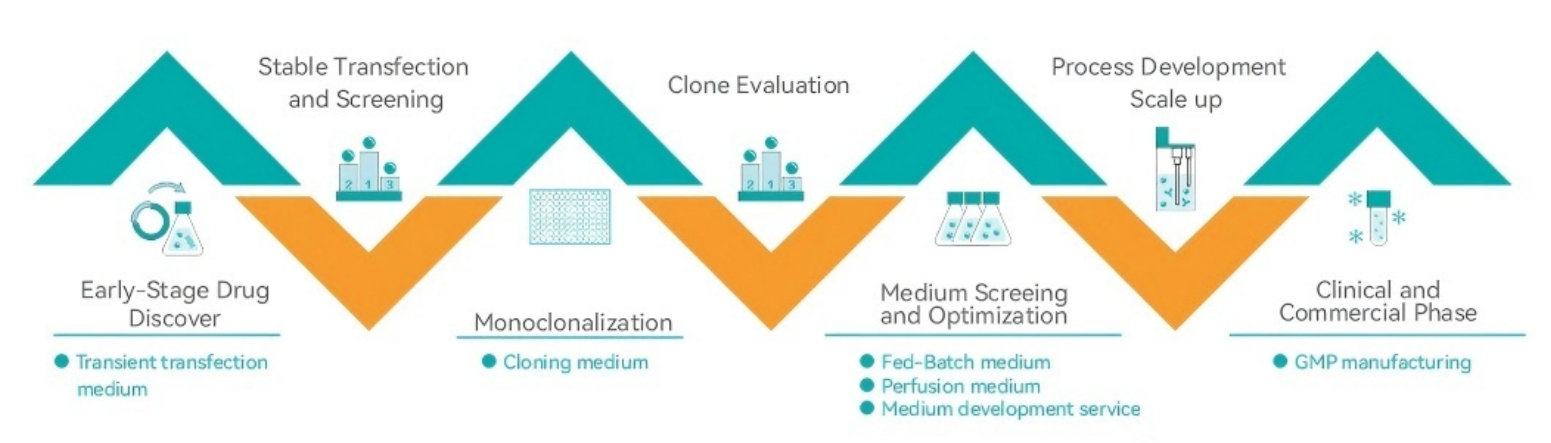
Looking ahead, the best plans blend creative formulation with tight metrics. I prefer semi-formal clarity here: think of media strategy like arranging a set list — each song (basal, feed, supplement) must follow and support the last. We can compare three routes: stick with a trusted legacy medium and tune feeds; adopt a proven platform formulation from a vendor; or co-develop a custom blend tuned to your cell line. Each path costs time and money. In my work with a small biotech in Boston in 2019, co-development required six weeks of optimization but delivered a sustained 20% titer lift and improved consistency across three lots. That mattered for their 2020 regulatory filing — measurable impact.
Real-world impact — what to track
Measure what matters: viable cell density and viability, product titer, and a critical quality attribute like glycosylation profile. Add operational metrics too — lot-to-lot variance in raw materials, failure rate per 100 runs, and time-to-stable-process. These numbers let you compare options on solid ground. (Yes, the work takes patience; it pays back.)
Closing: three practical evaluation metrics to guide your choice
When you evaluate a media strategy, I ask you to use three simple metrics that I use every day: 1) Consistency gain — percent reduction in lot-to-lot titer variance after change; 2) Yield delta — absolute titer increase over baseline (g/L) within two scale-up steps; 3) Process robustness — change in batch failure rate per 100 runs. I rely on these because they tie lab decisions to business results. In one case study, applying those metrics let us choose a co-developed medium that raised titer by 0.8 g/L and cut failures by nine per 100 runs — real money saved. I write from experience, and I stand by pragmatic steps over shiny promises. For suppliers and teams who want a reliable partner, I look toward products and partners that back claims with lot certificates, stability data, and hands-on support. For further depth and sourcing, I often point teams to vendors like ExCellBio — they bring concrete data and collaboration to the table.